
Choosing the right Metallic Powder Coat can greatly impact the durability and appearance of finished products. According to a recent report by the Powder Coating Institute, the metallic powder coating market is projected to grow by over 7% annually through 2026. This trend reflects the increasing demand for aesthetics and performance in coatings.
Expert in the field, Dr. Emily Hart, emphasizes the importance of quality in selection. She states, “The right Metallic Powder Coat can enhance not only the look but also the lifespan of materials." This highlights a critical aspect. Selecting poor quality options can lead to premature wear and an unattractive finish.
Understanding the different grades and finishes is crucial. Not all metallic powders are created equal, and consumers often face confusion in choices. Some coatings may lack essential properties like UV resistance or scratch endurance. Reflecting on one's needs becomes vital. Prioritizing functionality alongside aesthetics can lead to better decision-making in the long run.
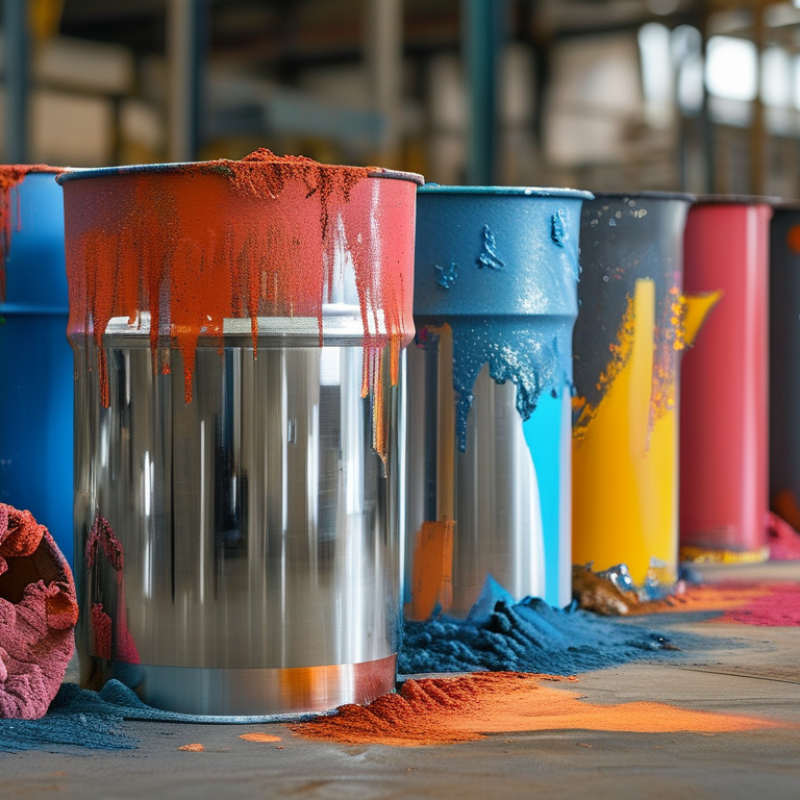
Metallic powder coating is a process that brings both aesthetics and durability to various surfaces. This technology involves the application of fine metallic particles mixed with powder coatings to create a sparkling finish. Unlike traditional liquid paint, this method protects items from chipping and scratching. The result is visually appealing and long-lasting, providing a robust layer against environmental factors.
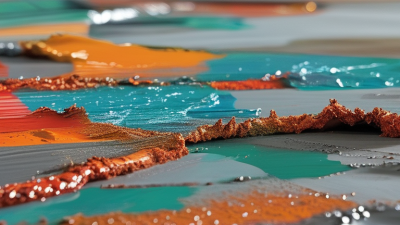
Understanding the basic elements of this coating process is essential. It begins with the selection of high-quality powder materials. The choice of metallic pigments plays a crucial role in achieving the desired finish. Color, gloss, and texture can vary dramatically based on the type of pigments used. Some pigments may not perform well in different environments. Testing is essential to determine their durability and appearance under various conditions.
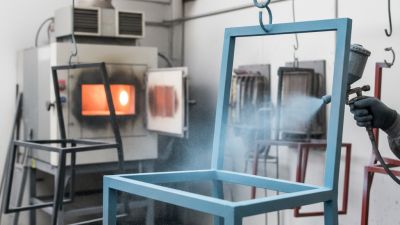
Moreover, the curing process is vital. Proper heat application ensures that the coat adheres well and forms a strong bond. Inadequate curing can lead to peeling or discoloration. It’s crucial to follow the manufacturer’s guidelines closely. Mistakes during application can lead to imperfections in the final product. Reflecting on these factors can guide individuals in making informed decisions when choosing metallic powder coat options.
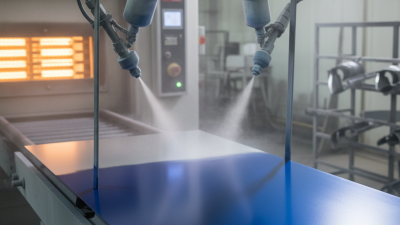
When evaluating different types of metallic powder coatings, it's crucial to consider the application method. There are two primary techniques: electrostatic spraying and fluidized bed coating. Electrostatic spraying provides a smooth finish with even distribution. This method is often cited for its efficiency, achieving up to 90% transfer efficiency. Fluidized bed coatings, on the other hand, create a thicker layer and are suitable for complex shapes.
The choice of powder also matters. Metallic powders typically contain varying amounts of metal flakes. According to a recent industry report, aluminum flakes enhance visual appeal and reflectivity, while nickel and brass flakes offer durability and corrosion resistance. These distinct properties can significantly alter a product's performance and aesthetic.
Durability is another key factor. Manufacturers often test their coatings against various elements. For instance, the Society for Protective Coatings highlights that metallic coatings can withstand severe weather conditions. However, not all coatings perform equally. It’s essential to address potential issues, such as chipping and fading over time. Understanding these factors will empower manufacturers to select the best metallic powder coat options for their specific needs.
When selecting metallic powder coats, several key performance metrics come into play. The durability of the finish is paramount. A good powder coat should resist chipping, scratching, and corrosion. Look for products that have undergone rigorous testing. Hardness and adhesion strength are important. These aspects will determine how well the coat stands up over time.
Color retention is another critical factor. A metallic finish should maintain its shine and color even in adverse conditions. You might consider exposure to sunlight and harsh weather. Not all products are equal in this respect. It’s essential to assess the fade resistance claims made by manufacturers. Testing third-party reports can reveal the real-life performance of these coatings.
Finally, consider the application process. Some powders may require specific curing times and temperatures. Not all equipment is compatible. This could impact your project timeline and overall efficiency. Factors like ease of application, environmental impact, and VOC levels should be considered. Aim for a balance between aesthetics and functionality.
Selecting metallic powder coat options involves several environmental considerations. The production of powder coatings can lead to waste. Choosing products that are eco-friendly can minimize negative impacts. Look for manufacturers that utilize sustainable practices. This helps to ensure that your choices are responsible.
Tips: Always check if the powder coatings are free from heavy metals. Verify certifications that indicate lower emissions during production.
Using low-VOC (volatile organic compounds) powders can enhance both safety and sustainability. Such options reduce harmful pollutants released into the air. However, some people may overlook this aspect when selecting colors or finishes. Ensure you prioritize environmental impacts along with aesthetics.
Tips: Conduct research on the lifecycle of the coating you choose. Speak to suppliers about their sustainability claims. Small adjustments can contribute to broader environmental benefits.
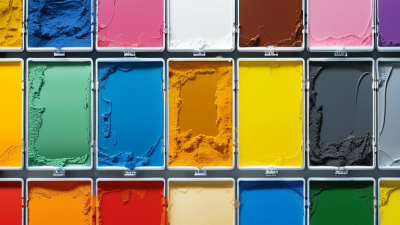
When considering metallic powder coating options, cost analysis is crucial. The price range can vary significantly based on multiple factors. Materials, colors, and finishes all contribute to the final cost. For instance, more vibrant hues often require special pigments, which can increase the overall price. This complexity makes it essential to understand market pricing trends. In recent years, there has been a noticeable shift in pricing structures. Some suppliers have adjusted prices due to rising raw material costs. This makes it important for businesses to stay informed about current trends. Sometimes, cheaper options may lead to a compromise in quality. So, one must balance cost and durability wisely. Regular market surveys can aid in identifying fair pricing. Engaging with industry experts also helps in better decision-making. However, price isn't everything. The long-term performance of the coating can impact overall value significantly. A lower initial cost might not always yield satisfactory results over time.