Understanding the Popularity of Metallic Powder Coat in China Top Industries?
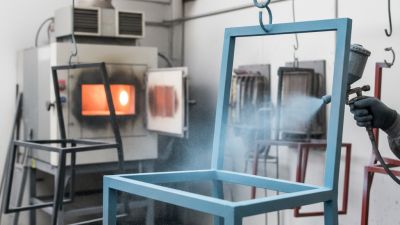
Metallic Powder Coat has gained significant traction in China's top industries. This coating technology offers aesthetic appeal, durability, and resistance to wear and corrosion. Industries like automotive, furniture, and manufacturing are increasingly adopting this method for its performance benefits.
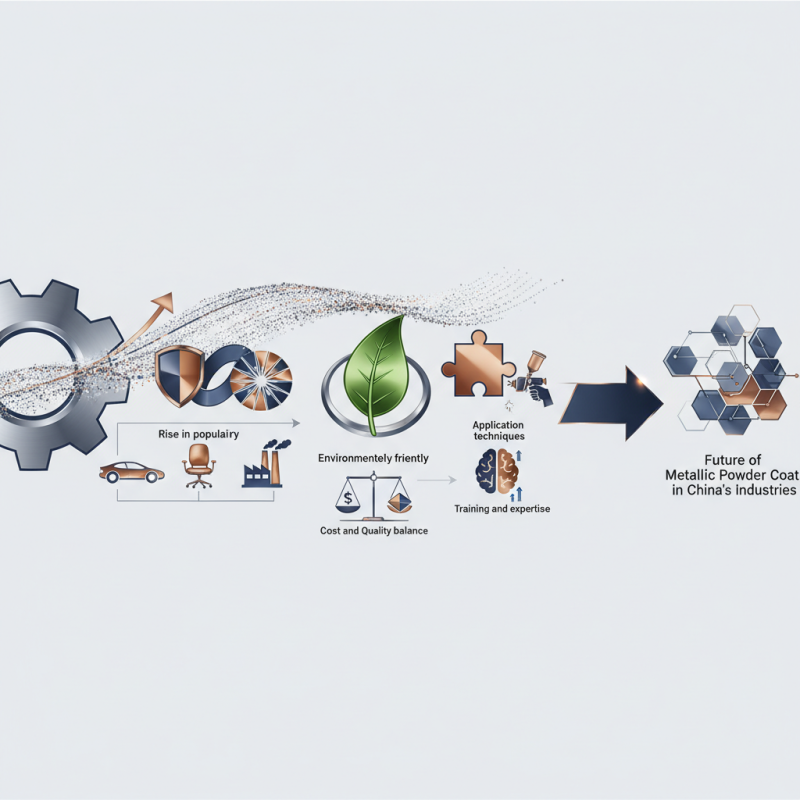
The rise in popularity can be attributed to the growing demand for high-quality finishes. Consumers are seeking products that not only look good but also last longer. Metallic Powder Coat meets these expectations while being environmentally friendly. However, there are challenges, such as application techniques and cost considerations, that industries must navigate.
As manufacturers embrace this coating technology, the importance of skilled application becomes clear. Poor application can lead to subpar finishes, affecting customer satisfaction. Thus, investing in training and expertise is essential. Understanding the balance between cost and quality will drive the future of Metallic Powder Coat in China's industries.
The Rise of Metallic Powder Coating in Chinese Industries
The rise of metallic powder coating in Chinese industries is a noteworthy trend. Industries are increasingly adopting this technique for its aesthetic and functional benefits. The vibrant colors and smooth finishes have become highly desirable for products ranging from automotive parts to home appliances.
Metallic powder coating offers superior durability and resistance to corrosion. These qualities are crucial in a country with diverse climates and environmental challenges. However, not all manufacturers fully understand the application process. Improper techniques can lead to inconsistencies in quality. This gap highlights the need for better training and knowledge sharing among industrial players.
The recycling potential of metallic powders is another appealing aspect. This aligns with China’s sustainability goals. However, the initial costs can be a barrier for some smaller businesses. They might hesitate to switch from traditional coatings. Bridging this cost gap could significantly enhance the industry's growth. Companies need to explore innovative ways to make metallic powder coatings more accessible.
Understanding the Popularity of Metallic Powder Coat in China Top Industries
| Industry |
Application |
Market Share (%) |
Growth Rate (%) |
Key Benefits |
| Automotive |
Body Panels, Rims |
35% |
8% |
Durability, Aesthetic Appeal |
| Electronics |
Casing, Components |
25% |
10% |
Corrosion Resistance, Customization |
| Construction |
Fittings, Fixtures |
20% |
7% |
Visual Appeal, Environmentally Friendly |
| Furniture |
Tables, Chairs |
15% |
12% |
Scratch Resistance, Variety of Colors |
| Aerospace |
Aircraft Components |
5% |
6% |
Lightweight, High Performance |
Key Advantages of Metallic Powder Coating Over Traditional Finishes
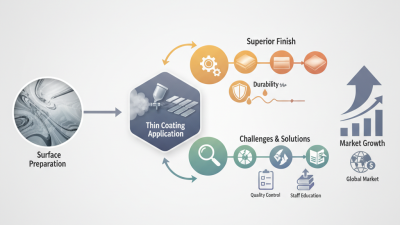
Metallic powder coating has surged in popularity across various industries in China, thanks to its distinct advantages. According to a report from the China Coatings Industry Association, the market for powder coatings is projected to grow at a compound annual growth rate of 6.7% from 2021 to 2026. This growth is largely driven by the unique properties of metallic powder coatings, which include enhanced aesthetic appeal and improved durability.
One major advantage of metallic powder coatings is their resistance to chipping, scratching, and fading. This makes them an ideal choice for sectors like automotive and furniture manufacturing, where the visual aspect is crucial. Data from industry analyses indicate that metallic coatings can last up to 20% longer than traditional liquid finishes. However, the application process can be complex and requires precise temperature control, which may present challenges for manufacturers not equipped for advanced coating techniques.
Moreover, metallic powder coatings are environmentally friendly. They release minimal volatile organic compounds (VOCs) during application, aligning with China's stringent environmental regulations. Yet, achieving uniform color and finish can sometimes be tricky. Variations in application techniques and equipment settings might lead to inconsistencies. Industry reports suggest that these challenges could deter some businesses from fully embracing this technology despite its clear benefits.
Industries Driving the Demand for Metallic Powder Coating in China
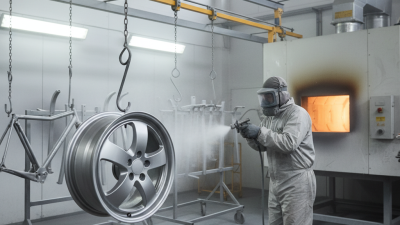
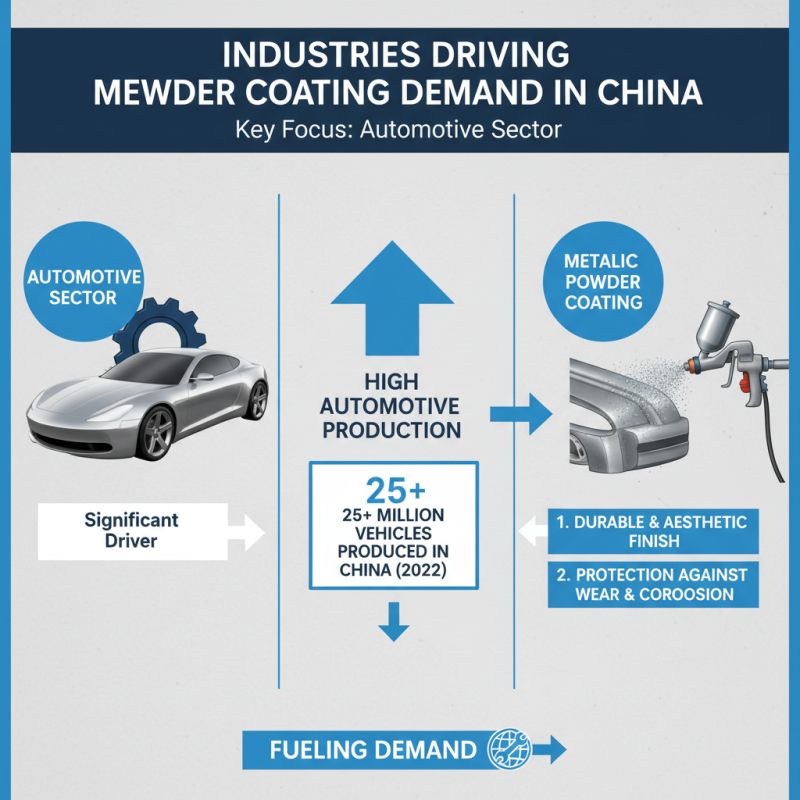
In China, the demand for metallic powder coating is fueled by various key industries. The automotive sector is a significant driver. According to recent reports, automotive production in China reached over 25 million vehicles in 2022. This high output contributes to increased demand for durable and aesthetically appealing coatings. Metallic powder coatings provide an attractive finish while offering excellent protection against wear and corrosion.
The construction industry also plays a crucial role. With the ongoing urbanization and infrastructure projects, there is a rise in demand for building materials coated with metallic powder. In 2023, the construction sector is projected to grow by 5%, leading to further use of these coatings. Metal surfaces in structures require coatings that can withstand harsh weather conditions, making metallic powder a preferred choice.
Moreover, the electronics industry is embracing this trend. As manufacturers focus on enhancing product durability, the use of metallic finishes is becoming prevalent. However, challenges persist in achieving consistency across massive production runs. Some coatings may not meet quality standards, highlighting the need for improved processes in factories. Nonetheless, the ongoing demand in these key sectors indicates a robust future for metallic powder coating in China.
Technological Advancements Influencing Metallic Powder Coating Popularity
Metallic powder coating is gaining traction in various industries across China. This rise in popularity can be attributed to several technological advancements. Manufacturers now have access to sophisticated equipment that enhances the precision and efficiency of the coating process. High-quality machinery allows for more uniform applications, leading to improved aesthetics.
The introduction of advanced materials is another factor. Newer formulations of metallic powders provide better adhesion and durability. These options are also more resistant to environmental factors such as UV rays and moisture. However, the learning curve for these technologies can be steep. Some businesses may struggle with integrating new techniques into their existing workflows.
Additionally, innovations in recycling techniques for powder materials are emerging. This shift toward sustainability is appealing to businesses looking to reduce waste. Yet, not every company successfully implements these practices. Challenges remain, especially for smaller firms lacking resources. There is still much to learn in optimizing processes to fully benefit from these advancements.
Environmental Considerations in the Adoption of Powder Coating Techniques
The adoption of powder coating techniques, particularly metallic powder coats, in China is closely linked to environmental considerations. Recent studies indicate that around 60% of manufacturers in top industries prioritize eco-friendly processes. Powder coating generates fewer volatile organic compounds (VOCs) compared to traditional liquid coatings. This reduction in emissions means lower air pollution levels and a smaller carbon footprint.
However, the sustainability of these coatings is not without caveats. While powder coatings are often recyclable, some contain heavy metals that can pose environmental risks during disposal. It is crucial for industries to develop guidelines that ensure responsible usage and waste management. Research from the China Coating Industry Association shows an increase in consumer demand for environmentally safe products, urging manufacturers to adopt stricter regulations.
Furthermore, sunlight exposure and humidity may affect the lifespan of metallic powder coatings, leading to potential maintenance issues. These factors can threaten long-term durability despite their initial appeal. Companies must navigate these challenges to balance sustainability with product performance in their operations.