What is Thin Coating Powder Coating and How Does It Work?
Thin Coating Powder Coating is an innovative finish that enhances surface properties effectively. This method is gaining popularity in various industries. Its unique formulation allows for a thinner application, yet it maintains exceptional durability and aesthetic appeal.
The process of Thin Coating Powder Coating involves electrostatic application, which ensures an even distribution on surfaces. This technique reduces resource waste and minimizes overspray, making it an eco-friendly choice. However, achieving the perfect thickness can be challenging. Each layer must be monitored closely, as too thin a layer may not provide adequate protection.
Users may find the curing time slightly longer than expected. Patience is necessary for the best results. Despite some drawbacks, Thin Coating Powder Coating's benefits are compelling. It offers a combination of efficiency, color retention, and resistance to chipping. Embracing this coating technology can lead to impressive outcomes, even if slight imperfections arise during the process.
Definition of Thin Coating Powder Coating
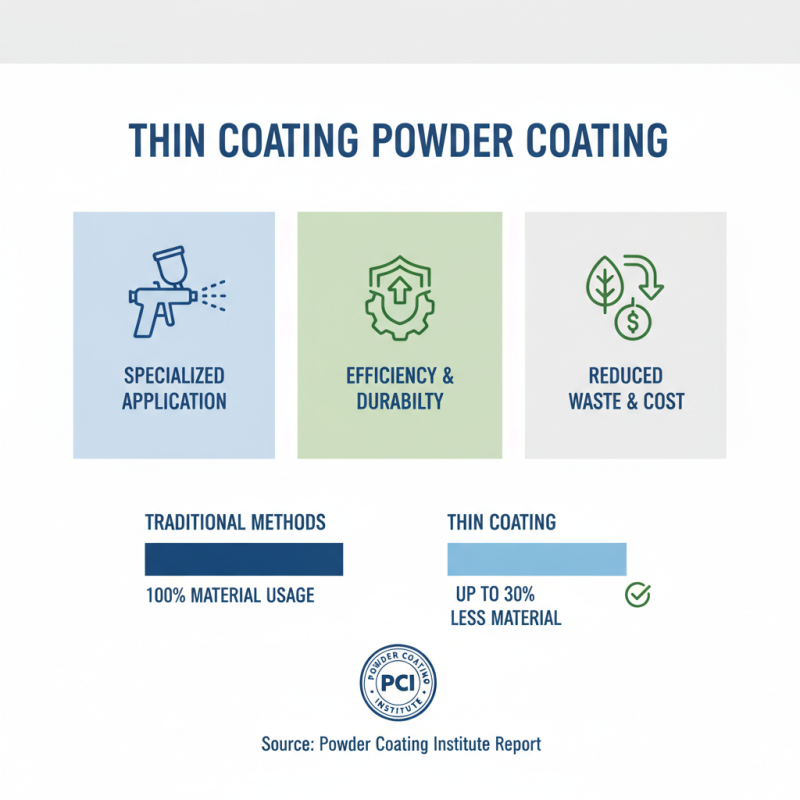
Thin coating powder coating is a specialized application technique in the coating industry. It utilizes a unique formulation that adheres to surfaces with exceptional precision. This process has gained popularity for its efficiency and durability. According to a report by the Powder Coating Institute, the thin coating technique can reduce material usage by up to 30% compared to traditional methods. This efficiency not only reduces costs but also minimizes waste.
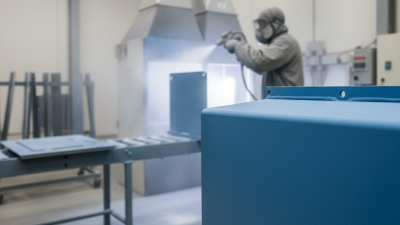
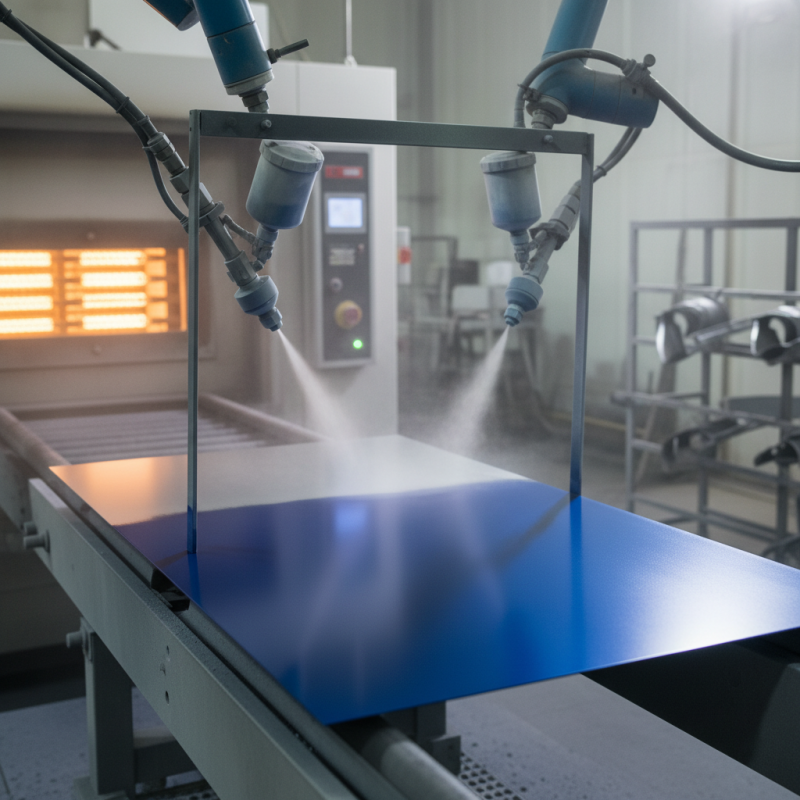
The application process involves electrostatic spraying, where charged powder particles adhere to a grounded substrate. After application, the coated item is cured, typically in an oven, where heat solidifies the powder into a durable finish. Industry data indicates that the average curing time for thin coatings is around 10-15 minutes, significantly enhancing productivity. Despite these advantages, some challenges exist. Thin coats may be less forgiving during surface preparation. Any imperfection can lead to significant flaws in the finish.
Experts note that achieving the optimal thickness for performance remains a balancing act. Coating too thin can compromise protection, while a thicker layer may lead to aesthetic issues. Continual advancements aim to refine these processes, ensuring that thin coating meets quality standards. Nonetheless, it requires ongoing research and adaptations to enhance reliability in diverse applications.
Key Components of Thin Coating Powder Coating
Thin coating powder coating involves a meticulous process that enhances both aesthetics and functionality. Key components include the powder material itself, which is typically a blend of resins, pigments, and additives. These materials are finely ground to ensure an even texture. The choice of resin significantly influences the end product's durability and appearance. Common resins, such as epoxy and polyester, offer varying levels of chemical resistance and UV stability.
The application process begins with electrostatic spraying. The charged powder particles adhere to the object due to electrostatic attraction. This technique ensures uniform coating thickness, which is essential for achieving a smooth finish. Statistics show that electrostatic spraying can improve transfer efficiency by up to 90%. After application, curing is crucial. The coated object is heated in an oven, allowing the powder to melt and form a solid, durable layer.
Challenges do exist in this process. Variability in powder particle size can lead to uneven coatings. Moreover, environmental factors like humidity and temperature can affect curing. Regular testing of the coating’s thickness and uniformity is vital for quality control. Reports indicate that adherence to strict application guidelines can enhance product performance and customer satisfaction. Achieving perfection is an ongoing journey in the industry.
Application Process of Thin Coating Powder Coating
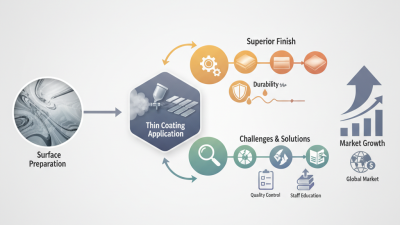
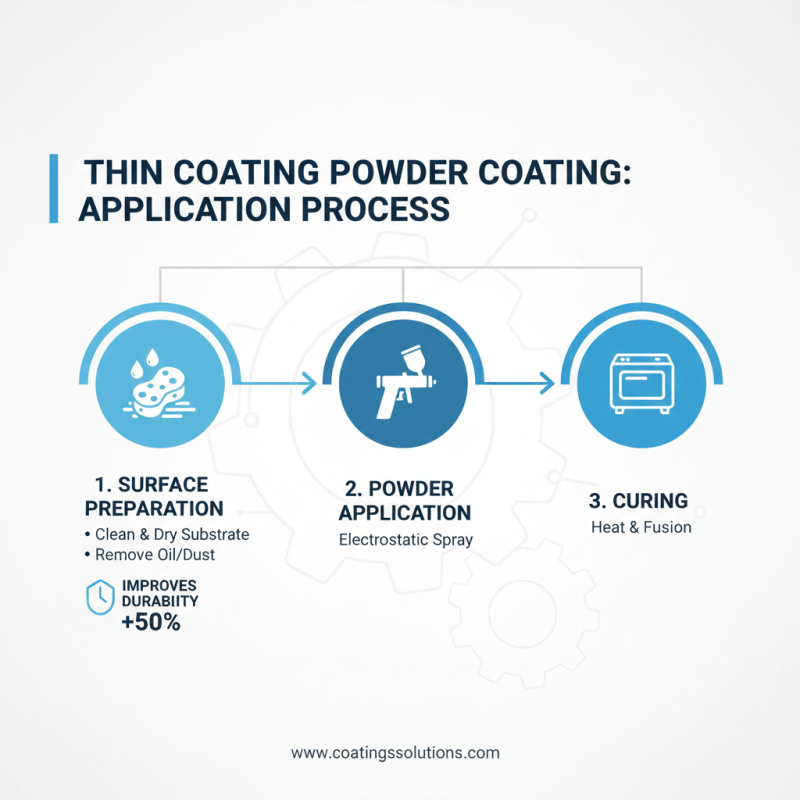
The application process of thin coating powder coating involves several key steps that ensure a smooth and durable finish. First, surface preparation is crucial. The substrate must be cleaned and dry. Contaminants like oil or dust can disrupt adhesion. Reports indicate that proper surface preparation can improve coating durability by up to 50%.
Next, the powder coating is applied using an electrostatic spray gun. This method allows the powder particles to evenly coat the surface by becoming charged and adhering effectively. Once the application is complete, the coated item is cured in an oven. The heat causes the powder to melt and chemically react, forming a tough, protective layer. Industry studies highlight that the curing process can enhance the hardness and chemical resistance of the finish significantly.
Tips: Always focus on achieving a uniform thickness for the best results. Aim for a coating thickness between 2-4 mils for optimal performance. Additionally, ensure environmental conditions like humidity and temperature are favorable. These factors influence the adhesion and final appearance of the coating. Remember, while thin coatings can offer many benefits, improper techniques can lead to issues like chipping and peeling. Reflecting on past applications can provide insights for future improvements.
Advantages of Thin Coating Powder Coating
Thin coating powder coating is gaining attention in various industries. It offers a blend of durability and aesthetic appeal. One major advantage is its ability to create a smooth, uniform finish. This makes it suitable for complex shapes and intricate designs. The process involves applying powdered particles that adhere to the surface. Then, heat is used to melt and cure the coating, resulting in a robust layer.
Another significant benefit is the eco-friendliness of this method. Unlike traditional coatings, thin coating powder coating emits fewer volatile organic compounds (VOCs). This is better for both the environment and human health. Additionally, the durability of this coating reduces the need for frequent reapplications. However, achieving the perfect finish requires careful surface preparation. In some cases, imperfections can occur if not done correctly.
While thin coating powder coating has many advantages, it is essential to understand its limitations. Some surfaces may require specific preparation to ensure adhesion. Additionally, maintaining consistency across different batches can be challenging. These factors are crucial for achieving the desired outcome, and attention to detail is necessary. Overall, thin coating powder coating is a promising technique but not without its challenges.
What is Thin Coating Powder Coating and How Does It Work? - Advantages of Thin Coating Powder Coating
| Feature |
Description |
Advantages |
| Thickness |
Typically ranges from 30 to 60 microns |
Provides a smooth finish without excessive weight |
| Application Process |
Electrostatic spray application followed by curing |
Efficient and uniform coating |
| Durability |
Highly resistant to scratches, chemicals, and UV light |
Long-lasting protection of surfaces |
| Environmental Impact |
Low VOC emissions and waste |
More eco-friendly compared to liquid coatings |
| Finish Options |
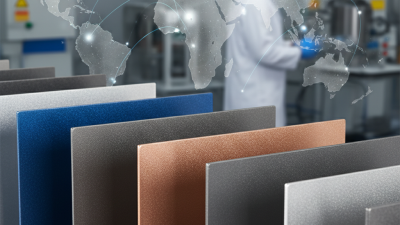
Available in various textures and colors |
Customizable aesthetic appeal |
Common Uses and Industries for Thin Coating Powder Coating
Thin coating powder coating is emerging as a key technology across various industries. This method is particularly beneficial in automotive, electronics, and household appliances. According to a market report, the powder coating segment is projected to grow by 7.3% annually over the next five years. This trend highlights the increasing adoption of thin coatings due to their superior performance and aesthetic appeal.
In the automotive industry, thin coating powder coatings improve durability and enhance appearance. This protects vehicles from corrosion and UV rays. Electronics manufacturers also utilize thin coatings for enhanced insulation and protection. Specific applications include circuit boards and casings, which require precise and reliable coatings. A report indicates that these coatings can extend product life by up to 30%.
Despite these advantages, some challenges remain. Achieving uniform thickness can be difficult, which may lead to performance inconsistencies. Also, the curing process must be tightly controlled to avoid defects. Awareness of these potential issues is crucial for manufacturers looking to optimize their coating processes and ensure quality.