Top Benefits of Using Metallic Powder Coat for Your Projects?
Metallic Powder Coat is revolutionizing the way we approach finishing in various industries. John Stevenson, a renowned expert in the coating industry, emphasizes the importance of this innovation, stating, "Metallic Powder Coat brings both durability and unparalleled aesthetic appeal to any project." This technique offers a unique blend of visual charm and resilience, making it a preferred choice for many applications.
One of the major benefits of using Metallic Powder Coat is its exceptional durability. Unlike traditional liquid paints, this coating is resistant to chipping, scratching, and fading. Projects finished with Metallic Powder Coat are likely to withstand harsh environmental conditions. However, achieving a flawless finish requires attention to detail, and any mistakes during application can alter the final appearance.
Moreover, the aesthetic appeal of Metallic Powder Coat can elevate the look of any object. Its reflective qualities create striking visual effects, enhancing product desirability. Yet, the wide variety of metallic finishes can sometimes be overwhelming. Professionals must carefully choose the right finish to match their project's vision. Overall, understanding the intricacies of Metallic Powder Coat is crucial for maximizing its benefits.
Advantages of Metallic Powder Coating Over Traditional Finishes
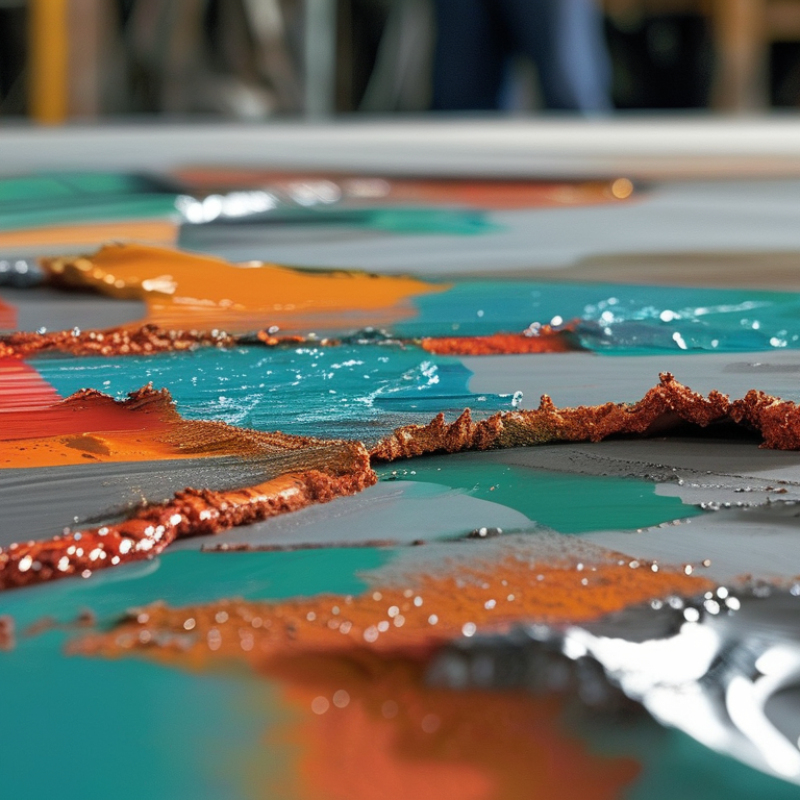
Metallic powder coating offers distinct advantages over traditional finishes. Its durability is remarkable, making it suitable for various applications. The coating resists scratches, chipping, and corrosion. This resilience extends the lifespan of finished products. Metallic finishes, with their reflective quality, can enhance the visual appeal significantly. The shimmering effect can create a striking look, transforming ordinary items into standout pieces.
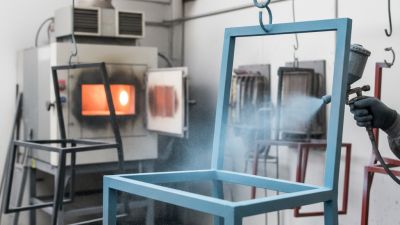
One important aspect is the quick curing process. Unlike wet paints, which require drying time, powder coatings cure quickly when heated. This efficiency can lead to faster project completion. The environment also benefits, as metallic powder coatings emit minimal volatile organic compounds (VOCs). This helps reduce environmental impact, making it a responsible choice.
However, achieving the perfect finish requires skill. Inexperienced applicators may struggle with an even coat. Uneven application can lead to unattractive spots or missed areas. Proper equipment and training are essential for optimal results. Every project can present unique challenges, and results may vary. Recognizing these hurdles is key in maximizing the benefits of metallic powder coating.
Durability and Longevity of Powder Coated Surfaces
Metallic powder coating is gaining traction in various industries due to its impressive durability. According to a report by the Powder Coating Institute, powder-coated surfaces exhibit up to three times the durability of traditional paint. This durability stems from the process of electrostatically applying powder onto a surface, followed by curing at high temperatures. The result is a hard, resilient finish that withstands harsh environmental conditions.
Longevity is another key benefit of metallic powder coat. Research indicates that powder-coated finishes can last up to 20 years without showing significant signs of wear. This is particularly important in outdoor applications where exposure to UV rays, moisture, and temperature fluctuations can deteriorate other types of coatings. The resistance to chipping, fading, and scratching contributes to the lifecycle of metallic powder-coated surfaces.
However, the application process for powder coating does have areas for improvement. While it is effective, imperfections can occur if the surface isn't prepped correctly. Uneven application or contamination can lead to substrate imperfections. Understanding the factors that impact the finish can mitigate these issues and enhance performance. The focus on proper techniques can ensure that both durability and longevity goals are met effectively.
Top Benefits of Using Metallic Powder Coat for Your Projects
This chart illustrates the various benefits of using metallic powder coating in projects, highlighting its exceptional durability, longevity, finish quality, color variety, and environmental resistance. With high scores across all dimensions, metallic powder coating stands out as a superior choice for various applications.
Environmental Benefits and Sustainability of Metallic Powder Coatings
Metallic powder coatings stand out for their eco-friendly qualities. They are based on dry powder, which means they contain no solvents. According to the Environmental Protection Agency (EPA), this significantly reduces harmful emissions. In fact, powder coatings emit over 90% fewer volatile organic compounds (VOCs) than conventional liquid coatings. This reduction is crucial in the fight against air pollution.
Moreover, metallic powder coatings are recyclable. When excess powder is collected during application, it can be reused, minimizing waste. A report from the Powder Coating Institute noted that this ability to recycle can save up to 30% of material costs. The sustainability factor is not just about waste; it also involves reducing energy consumption in production. Some processes require lower baking temperatures compared to liquid coatings, which can lead to energy savings.
Despite the clear advantages, challenges remain. Not all substrates can be coated effectively with powder. Furthermore, achieving a uniform finish on complex geometries may require practice. These factors can complicate the application process. However, the environmental benefits of metallic powder coatings are significant. They present a compelling option for eco-conscious projects.
Cost-Effectiveness of Using Metallic Powder Coatings in Manufacturing
When considering the cost-effectiveness of metallic powder coatings, several aspects come into play. These coatings require less material compared to traditional liquid paints. This often leads to reduced waste, both in terms of materials and labor. In manufacturing, efficiency directly correlates with savings. When applying a metallic powder coat, the ability to cover a surface evenly enhances both speed and quality.
Another advantage lies in the durability of metallic coatings. They resist scratches, chips, and corrosion better than many alternatives. This longevity means fewer repaints and repairs over time. However, the initial cost of metallic powders can be higher. Manufacturers must weigh these factors carefully. The upfront investment may seem daunting but can yield significant savings in the long run.
The versatility of metallic powder coatings can also lead to reduced costs. They can be applied to various materials, from metals to plastics. This flexibility allows manufacturers to explore diverse projects without switching systems. Nonetheless, achieving the desired finish requires experience. Improper application can result in an unsatisfactory outcome. Reflecting on the learning curve is essential for ensuring quality and maintaining cost-effectiveness.
Versatility and Aesthetic Appeal of Metallic Powder Coatings in Design
Metallic powder coatings offer incredible versatility and aesthetic appeal for a wide range of design projects. According to industry reports, these coatings are increasingly popular across various sectors, from automotive to architecture. Their stunning finishes can mimic polished metals and create depth, making them a preferred choice for designers seeking modern aesthetics.
When it comes to versatility, metallic powder coatings can adhere to numerous substrates, including metal, wood, and plastics. The application process allows for precision in achieving unique colors and effects. This versatility opens up endless possibilities for designers. A report by the Powder Coating Institute indicates that the global market for powder coatings is expected to grow by 5.3% annually, highlighting their rising popularity.
However, some challenges exist with metallic powder coatings. Achieving the desired finish may require skilled application and a well-controlled environment. Variations in the coating process can lead to inconsistencies. Despite these hurdles, the aesthetic benefits often outweigh the drawbacks. Utilizing this technology can elevate standard designs into striking visual statements.
Top Benefits of Using Metallic Powder Coat for Your Projects
| Benefit |
Description |
Applications |
| Durability |
Resistant to scratches, chipping, and fading, providing long-lasting finishes. |
Automotive parts, outdoor furniture, industrial equipment. |
| Aesthetic Appeal |
Offers a unique and shiny finish that enhances visual appeal. |
Home decor, electronic devices, architectural elements. |
| Environmental Benefits |
Low VOC emissions and environmentally friendly materials. |
Furniture manufacturing, cabinetry, appliances. |
| Versatility |
Can be applied to a wide range of substrates and shapes. |
Metal, wood, and plastic surfaces across various industries. |
| Cost-Effectiveness |
Reduces the need for frequent repainting, saving money over time. |
Everywhere durable finishes are required, like machinery and tools. |