Essential Powder Coating Tips for Global Buyers Guide
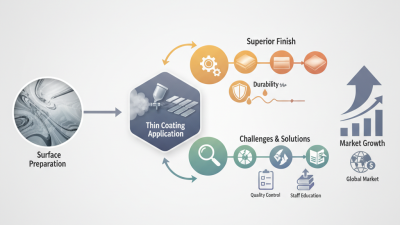
The global powder coating market is experiencing impressive growth. According to a recent report from MarketsandMarkets, it is projected to reach $15 billion by 2026. This surge reflects the increasing demand for high-performance coatings in various industries like automotive, electronics, and furniture. These coatings provide exceptional durability and environmental benefits. However, navigating the world of powder coating can be complex for buyers.
Understanding the nuances of powder coating is essential for successful procurement. Buyers must consider factors like technology, application methods, and finishing options. Trade shows and industry forums can offer valuable insights. Yet, misinformation is common, and not every source is reliable. It can be challenging to discern credible manufacturers from less reputable ones.
Consequently, it is crucial to rely on trustworthy resources when seeking powder coating solutions. Investing in professional advice may save time and money. As the industry evolves, staying updated on the latest trends and regulations is necessary. Quality and compliance should never be compromised. Adopting a reflective approach can enhance decision-making in this dynamic market.

Understanding Powder Coating: A Global Perspective
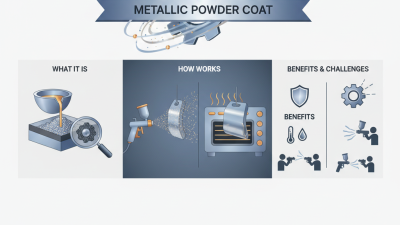
Powder coating is gaining popularity around the globe. This finishing process offers durability and a variety of aesthetic options. It involves applying a dry powder to surfaces, which is then cured under heat. This technique ensures a strong bond and a smooth finish.
Understanding the global landscape of powder coating is essential for buyers. Factors vary significantly across regions. Different climates can affect application processes. For example, humidity and temperature must be monitored closely. Failure to do so may lead to poor adhesion or surface defects. Each country has its own preferences for colors and finishes, reflecting cultural trends.
Buyers should also be aware of the environmental impact. Powder coating is often preferred for being eco-friendly. The application produces minimal waste and emits fewer volatile organic compounds. However, standards and regulations differ. Buyers must research these differences to ensure compliance. Understanding regional nuances helps buyers choose suppliers more effectively. It's crucial to seek expert advice when entering new markets.
Key Factors to Consider When Choosing Powder Coating Suppliers
When selecting powder coating suppliers, buyers should prioritize several key factors. Quality is paramount. According to the Powder Coating Institute, a top-tier supplier should operate under stringent quality control measures. This includes certifications such as ISO 9001, which indicates adherence to international standards. A reliable supplier will often have demonstrable experience in using advanced technologies, ensuring consistent finish and durability.
Another critical aspect is the supplier's range of coatings. Buyers should assess if the supplier offers diverse options, including textures, colors, and special effects. A report from the Research Institute of Coatings estimated that the range of available powder colors has increased by 40% over the last decade. This variety allows buyers to meet specific aesthetic and functional needs. However, it's essential to reflect on whether more options might complicate decision-making. A robust partnership also counts; reliable suppliers should provide ongoing support and technical assistance.
Lastly, consider the environmental practices of the supplier. The increasing focus on sustainability means buyers should look for those who follow eco-friendly practices. Reports suggest that around 30% of consumers prioritize environmentally responsible suppliers. Partners should be transparent about their processes and waste management. This transparency can raise questions about the supplier's commitment to sustainability. Reflecting on these elements can lead to better supplier selections in the long term.
Essential Powder Coating Tips for Global Buyers Guide
Essential Equipment and Tools for Powder Coating Success
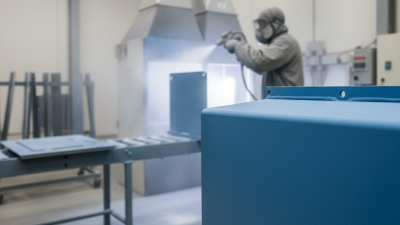
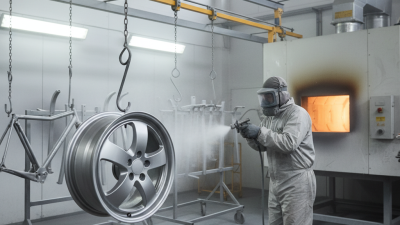
When approaching powder coating, the right equipment is key. A high-quality spray gun ensures even distribution of powder. Look for guns that can adjust airflow and powder flow. This flexibility enables better control over the coating process. Additionally, an efficient curing oven is crucial. The temperature should remain consistent to achieve optimal results. Variable temperature zones can help address different part sizes.
Don’t forget safety gear. Protective gloves, masks, and eyewear are indispensable. Powder particles can be harmful if inhaled. Regular maintenance of your equipment will enhance its performance. Cleaning the spray gun often prevents clogging. Neglecting this could lead to uneven coating and wasted materials.
Consider investing in an electrostatic powder coating system. It improves adhesion and reduces overspray. However, be prepared for a learning curve. Mastering this technology takes time and practice. Reflect on past projects: what worked well? What were the challenges? Constant evaluation can guide you to improvement. Always be ready to adapt and refine your process.
Common Powder Coating Techniques and Their Applications
Powder coating has become a popular finish for various industries. Its durability and resistance to corrosion make it an excellent choice in many applications. Different techniques are employed to achieve distinct finishes, each suited to specific needs.
Electrostatic spray coating is one common method. It uses charged particles to attract powder to a grounded object. This technique ensures an even coat, often in hard-to-reach areas. However, overspray is a concern. It can lead to material waste and excess costs. Still, it’s effective for complex shapes.
Another technique is fluidized bed coating. In this method, objects are preheated before immersion in a bed of powder particles. The heat causes the powder to melt and create a smooth coating. This approach is ideal for large metal parts, but it can be limited by material types. Each technique offers unique benefits and challenges, making it crucial for buyers to assess their specific needs.
Quality Control Measures for Consistent Powder Coating Results
Achieving consistent powder coating results requires diligent quality control measures. Buyers must prioritize these measures to ensure a successful outcome. Every step in the process matters. From surface preparation to application, attention to detail is essential. A clean substrate promotes better adhesion and reduces defects. Consider using specialized cleaning solutions to prepare surfaces effectively.
It’s also crucial to monitor the curing process. Uneven temperatures can lead to inconsistent finishes. Using thermal mapping can help identify hot spots in the curing oven. This approach enhances the overall quality of the coating.
Lastly, implementing a thorough inspection protocol can continually improve results. Regularly checking the finish for defects such as orange peel or color inconsistency can inform future processes. Don’t overlook training for staff involved in powder coating. Knowledgeable workers are key to maintaining high standards. Regular reviews help identify areas for improvement. Consistency is a journey, not a destination. Each project offers lessons for refining practices.