How to Choose the Right Thin Coating Powder Coating Solutions?
Choosing the right thin coating powder coating solutions is crucial for many industries. Proper selection can enhance product quality and longevity. However, making that choice can be overwhelming due to various options available in the market.
Thin coating powder coating offers a sleek finish while maintaining durability. It is often used on metal surfaces and can resist corrosion effectively. Yet, not all products are the same. Variations in formula, application process, and intended use can lead to significant differences in performance.
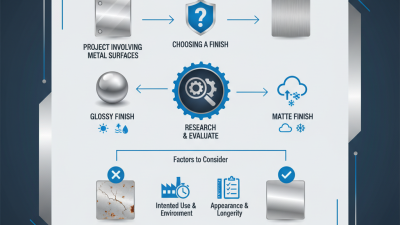
Many factors need consideration when selecting powder coatings. The specific needs of your project matter. Surface preparation is essential but is often overlooked. Application techniques may differ, and ideal conditions vary. Reflecting on these aspects is vital for success. After all, the best choices emerge from a clear understanding of the unique demands of each project.
Understanding Thin Coating Powder Coating Solutions: An Overview
When considering thin coating powder coating solutions, it’s essential to understand their unique characteristics. Thin coatings offer advantages such as reduced weight and enhanced surface properties. According to a recent industry report, the global demand for powder coatings is projected to reach approximately $30 billion by 2025. This reflects a growing shift towards sustainable and efficient finishing processes.
Thin coating solutions are versatile, applicable to a range of materials from metals to plastics. They provide a durable finish with excellent resistance to corrosion and wear. The average thickness of a thin powder coating typically ranges from 2 to 5 mils. However, achieving the desired thickness can be tricky. Factors such as application method, environmental conditions, and material surface preparation directly impact coating quality.
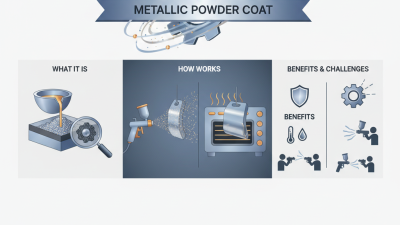
In practice, selecting the right powder coating requires careful consideration of application techniques. Electrostatic spraying, for example, can optimize coverage, but requires skill and experience. Often, users overlook the importance of equipment calibration and maintenance, which can lead to inconsistent results. Understanding these nuances is crucial for professionals in the coating industry aiming for long-lasting finishes.
Key Factors in Selecting Thin Coating Powder Coatings for Applications
When selecting thin coating powder coatings for various applications, specific factors must be considered. The material’s chemical resistance is critical. Reports indicate that over 30% of industries experience corrosion-related issues. Using a coating that offers superior chemical resistance can mitigate such problems.
Another crucial aspect is the coating's application temperature range. For example, thin coatings may preclude certain temperatures, which can impact performance. Industry studies reveal that about 25% of users report adhesion failures due to incorrect temperature tolerances. Additionally, surface preparation plays a pivotal role in achieving desired results. Poor surface cleaning can lead to premature failure, illustrating the need for thorough preparation.
Environmental concerns should also be addressed. With increasing regulations, manufacturers often seek eco-friendly solutions. A survey found that 40% of decision-makers prioritize sustainability when selecting coatings. This shift implies a need for coatings that are low in volatile organic compounds (VOCs) but still deliver performance. Invest time in understanding how these factors affect overall outcomes. Balancing effectiveness with environmental responsibility is essential in today’s market.
Comparative Analysis of Different Types of Thin Coating Powders
Choosing the right thin coating powder can be a daunting task. Understanding the comparative analysis of different types is crucial for making informed decisions. Various powders have unique properties that affect their performance. For instance, epoxy powders offer excellent corrosion resistance, making them ideal for industrial applications. In contrast, polyester powders provide exceptional weather resistance, suitable for outdoor use.
Recent reports indicate that epoxy-based coatings hold about 32% of the market share, largely due to their durability and versatility. However, they may not be as environmentally friendly as other options. Polyurethane powders, while more flexible and impact-resistant, can have limitations in UV stability. The choice often depends on the intended use and environmental conditions.
It's essential to consider the application method, too. Powder coating techniques vary, and so does the final finish. Some applications may yield uneven coatings, and this might not be acceptable for high-end products. Data suggests that nearly 15% of users experience issues with surface uniformity, which calls for careful selection and testing. Thus, analyzing the properties and shortcomings of each coating type is vital for achieving optimal results.
Industry Standards and Regulations Impacting Thin Coating Selection
When selecting thin coating powder coating solutions, understanding industry standards and regulations is crucial. The Environmental Protection Agency (EPA) sets stringent guidelines that influence the types of materials used. Compliance ensures the safety of products and the environment. According to the 2022 Powder Coating Institute report, 83% of surveyed companies prioritize regulatory compliance in their selection process.
Additionally, the ASTM International standards provide benchmarks for thickness, adhesion, and durability. These standards help manufacturers optimize performance in various applications. For instance, standards dictate that powder coatings must meet a minimum film thickness of 2 mils to ensure adequate protection. Yet, not all manufacturers achieve this consistently. The variability can lead to performance issues, such as inadequate corrosion resistance or premature wear.
Finally, overlooking local regulations can lead to unexpected costs. Some regions may have specific VOC (volatile organic compounds) limits. For example, California's South Coast Air Quality Management District has the most stringent VOC regulations. Companies must navigate these challenges to avoid penalties. Being aware of these factors will help businesses make informed decisions that align with both compliance and performance goals.
How to Choose the Right Thin Coating Powder Coating Solutions? - Industry Standards and Regulations Impacting Thin Coating Selection
| Coating Type |
Application Method |
Cure Temperature (°C) |
Thickness Range (µm) |
Compliance Standards |
| Epoxy |
Electrostatic Spray |
180-200 |
40-60 |
ISO 9001 |
| Polyester |
Fluidized Bed |
200-220 |
50-80 |
ASTM D3359 |
| Hybrid |
Electrostatic Spray |
180-210 |
40-70 |
REACH |
| Urethane |
Spray Coating |
180-240 |
30-50 |
ISO 45001 |
| Fluoropolymer |
Manual Application |
220-280 |
60-90 |
AAMA 2605 |
Evaluating Cost-Effectiveness of Thin Coating Powder Solutions
Evaluating the cost-effectiveness of thin coating powder solutions involves looking at multiple factors. Thin coatings, known for efficient resource use, can be less expensive than traditional methods. According to a recent industry report, companies using thin coating technologies can reduce material waste by up to 30%. This is crucial for companies aiming to lower production costs while maintaining quality.
Another aspect to consider is the durability of the coating. Thin coatings generally provide protection against corrosion and wear. However, some may find that thinner applications lead to quicker degradation in harsh environments. Industry surveys indicate that 55% of manufacturers believe that the right thin coating can significantly extend the lifespan of products. It's vital to balance initial savings against long-term performance.
Ultimately, while thin coating solutions appear financially appealing, their effectiveness frequently depends on specific applications. Cost-effectiveness must be assessed not only through initial expenditure but also through maintenance and long-term durability. Evaluating performance metrics is essential for making informed decisions in this competitive landscape.
Cost-Effectiveness of Thin Coating Powder Solutions