What is Golden Powder Coating and Why is it Important?
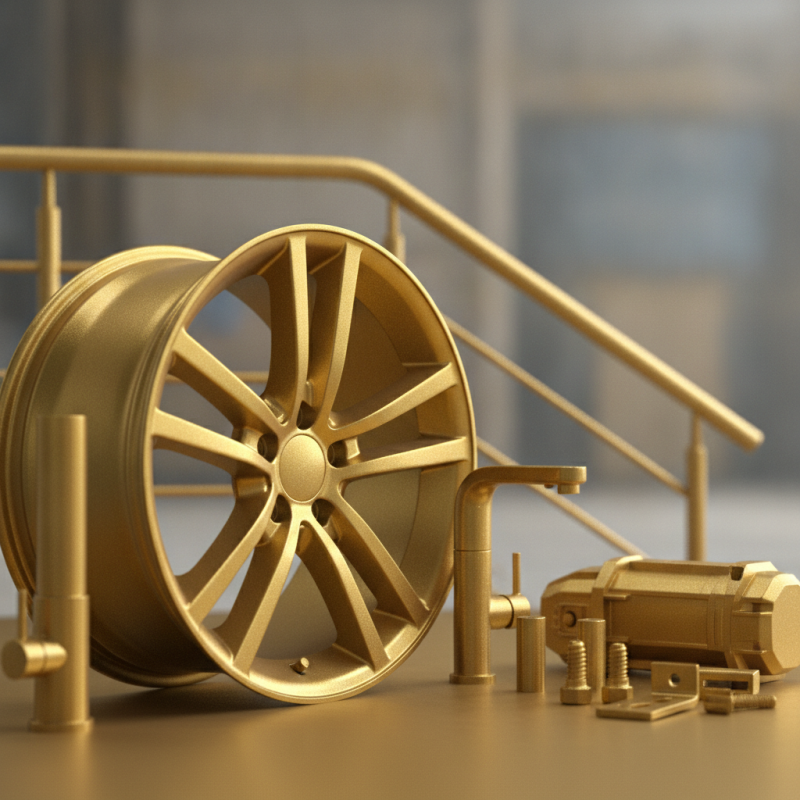
Golden Powder Coating is a revolutionary finishing technique in the manufacturing world. This process involves applying a dry powder to surfaces, creating a durable and attractive finish. Unlike traditional liquid paints, golden powder coating offers superior resistance to chipping, scratching, and fading. This makes it ideal for various applications, from automotive parts to home fixtures.
Understanding the significance of golden powder coating is crucial. It not only enhances aesthetic appeal but also improves the longevity of products. The striking golden finish can elevate an object's appearance, making it highly desirable. However, one must consider the quality of powder used. Poor-quality coatings can lead to disappointing results over time. Reflecting on this choice is essential, as it impacts both performance and visual appeal.
In summary, golden powder coating stands out for its durability and beauty. As industries evolve, this technique continues to gain recognition. Embracing its advantages can lead to better product outcomes. Choosing wisely ensures that surfaces not only look good but also stand the test of time.
What is Golden Powder Coating?
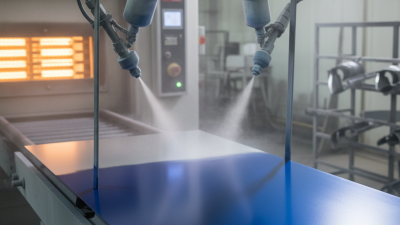
Golden powder coating is a popular finishing technique known for its durability and aesthetic appeal. This process involves applying a fine powder, often made of resin and pigments, to a surface. A specialized electrostatic method ensures the powder adheres evenly, creating a consistent layer. Once applied, the surface is heated in an oven, causing the powder to melt and cure into a hard, protective finish.
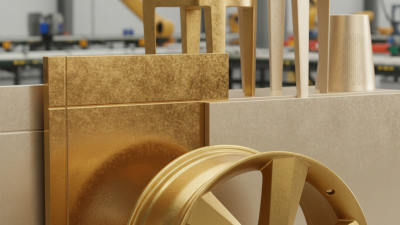
One major advantage of golden powder coating is its resistance to corrosion and scratches. This makes it suitable for various applications, including metal furniture and outdoor equipment. The vibrant golden hue adds a touch of elegance and can enhance the overall design of a product. However, it is important to note that while the finish is robust, it can be susceptible to chipping under extreme impacts.
Committed professionals often rely on golden powder coating for its long-lasting results. Yet, the application process requires skilled labor for optimal results. Improper techniques or environmental factors can lead to uneven finishes. Maintaining the quality involves constant monitoring. Thus, expertise in powder coating is crucial for achieving the desired outcome reliably.
The Process of Golden Powder Coating Application
Golden powder coating is a popular finishing process. It offers a brilliant, durable layer of protection. This technique involves several important steps to ensure quality application.
Preparation is key. The surface must be cleaned thoroughly. Dirt, grease, and corrosion can all affect adhesion. Pre-treatment can improve the bond. Sandblasting or chemical cleaning might be necessary.
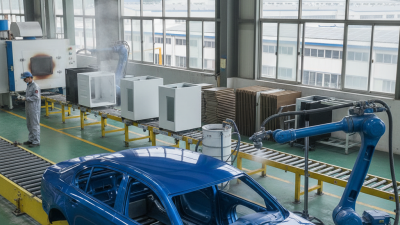
Applying the powder comes next. This is done using an electrostatic spray gun. The powder particles carry a charge, allowing them to stick to the grounded surface. Even coverage is crucial. Thickness can affect durability, so aim for uniformity.
After application, the coating needs to cure. This involves heating the coated item in an oven. The heat melts the powder, forming a smooth finish. It’s essential to follow the recommended temperature and time for best results.
Tips: Monitor the environment during application. Humidity and temperature can affect adhesion. Always wear proper safety gear. A mask and gloves can protect against inhalation and skin contact.
Also, inspect the final product carefully. Look for imperfections like bubbles or uneven patches. These can indicate issues in the process. Learning from these imperfections helps refine future applications.
Golden Powder Coating Application: Benefits and Performance Over Time
Benefits of Golden Powder Coating for Various Industries
Golden powder coating offers a durable and attractive finish for various products across multiple industries. This process involves applying a fine powder that is heated to create a protective layer. The finish is not just about aesthetics; it provides superior resistance to corrosion and wear. This is essential in industries like automotive and aerospace, where reliability is crucial.
In furniture design, golden powder coating enhances visual appeal and durability. It allows manufacturers to create stunning pieces that stand out. However, companies sometimes overlook the challenges. For instance, achieving a uniform finish can be tricky. In addition, the prep work for metal surfaces can be labor-intensive. These factors may lead to increased production times and costs, prompting a need for careful planning.
The importance of golden powder coating extends to its environmental benefits. This process generates less waste compared to traditional painting. Still, not all facilities adopt eco-friendly practices uniformly. Companies must ensure they're employing sustainable methods throughout their operations. Insufficient training or outdated equipment may hinder progress. Hence, continuous improvement and adaptation are vital for success in this field.
Key Considerations for Choosing Golden Powder Coating
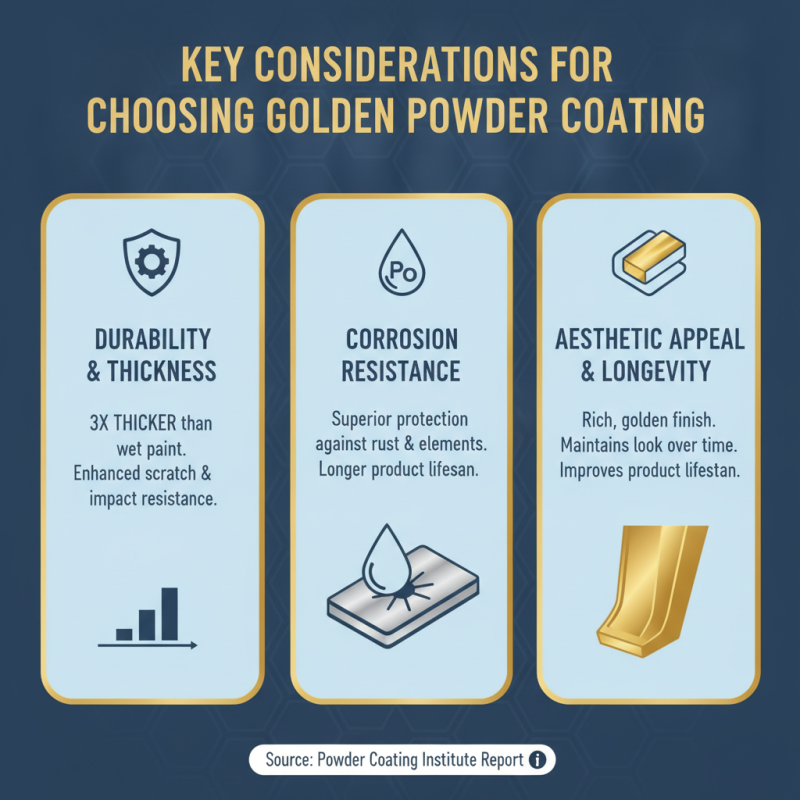
When considering golden powder coating, several key factors come into play. This coating technique offers durability, corrosion resistance, and aesthetic appeal. A report by the Powder Coating Institute suggests that powder coatings can be up to three times thicker than traditional wet paint. This thickness enhances surface protection against scratches and impacts. It's essential to evaluate the specific applications of golden powder coating. The right choice can lead to significant improvements in product longevity.
The color and finish of golden powder coating vary widely. Some options feature a matte finish, while others are metallic and shiny. According to a recent industry analysis, 70% of consumers prefer a sophisticated metallic sheen in their decorative items. It's crucial to assess the coating's compatibility with the base material. Aluminum, steel, and plastic often require different approaches. Additionally, the curing process plays a vital role, with higher temperatures yielding better adhesion and durability.
Cost considerations are another critical aspect. Golden powder coating typically demands a higher initial investment compared to conventional paints. However, the long-term benefits can be significant. A study indicates that products with powder coating may experience lower maintenance costs over time. Businesses must weigh these factors before making a decision. Investing in quality powder coating can ensure both performance and aesthetic appeal, meeting consumer expectations in a competitive market.
Future Trends and Innovations in Powder Coating Technologies
The powder coating industry is evolving rapidly. Future trends focus on eco-friendly solutions and advanced technologies. Manufacturers aim to reduce waste and energy usage. This shift reflects a growing demand for sustainable practices. Innovations like electric atomization improve efficiency and quality.
Tips: When considering powder coating options, prioritize companies with environmental certifications. These brands use sustainable materials and processes.
Another key trend is the development of smart coatings. They can change color or properties in response to conditions. This technology opens new avenues for customization in various industries. Yet, implementing such innovations can be challenging and costly. Balancing innovation with practicality is crucial for businesses.
Tips: Stay informed about the latest technologies in powder coating. Regular training and updates can keep your operations competitive.
As the industry moves forward, staying adaptable is essential. Companies must embrace change while managing costs and resources effectively. Exploring these trends can enhance efficiency and product appeal.