What is Thin Coating Powder Coating and How Does it Work?
Thin Coating Powder Coating offers a unique approach to surface finishing. This method utilizes fine particles of powdered paint, which provides a durable and aesthetic finish for various surfaces. Many industries now prefer this technique for its efficiency and environmental benefits.
When applied, Thin Coating Powder Coating forms a uniform layer. This layer is not only visually appealing but also tough and resistant to corrosion. This innovative process requires less energy compared to traditional painting methods. However, achieving optimal results demands careful preparation and execution.
While Thin Coating Powder Coating has many advantages, it is not without challenges. Achieving the right thickness can be tricky. Surfaces must be cleaned meticulously to ensure better adhesion. Overall, understanding this process requires both technical knowledge and practical experience. Information about it can be inconsistent, leading to confusion. Thus, one must be cautious and seek reliable sources.

What is Thin Coating Powder Coating?
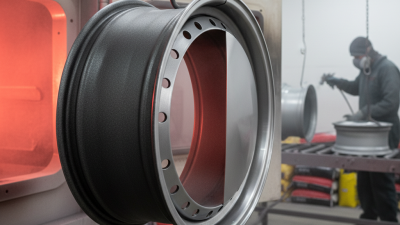
Thin coating powder coating is a modern technique for applying a durable finish to various surfaces. Unlike traditional liquid paints, it uses fine powder particles that can provide a smoother and more even coating. The process begins by electrostatically charging the powder particles. This charge allows the powder to adhere to the grounded surface effectively. Once the item is coated, it is cured in an oven. The heat melts the powder, forming a strong bond with the substrate.
This method works well for metals like aluminum and steel. It can also be used on plastics and other materials. Thin coatings can enhance the aesthetic appeal while providing corrosion resistance. However, achieving the right thickness can be an art. Too thin may lead to uneven coverage, while too thick can result in cracks or peeling.
The equipment used can be sensitive. It requires calibration and maintenance to ensure consistent results. Operators need experience to master the technique. While it offers many advantages, there are challenges to consider. A learning curve exists in achieving the perfect application. Thin coating powder coating stands out for its durability and finish, but perfecting the method requires practice and diligence.
The Composition of Thin Coating Powder Coating Materials
Thin coating powder coating materials are essential for achieving durable finishes in various applications. These materials typically comprise polymer resins, pigments, and curing agents. The blend of these components ensures a smooth, even finish with excellent adhesion. The choice of resins, whether epoxy or polyester, significantly impacts the final coating's performance.
According to industry reports, the global powder coating market was valued at approximately $12.6 billion in 2022. This growth highlights the increasing reliance on thin coating powder technology for various surfaces. Notably, thin coatings can efficiently cover surfaces with less material. This can lead to a reduction in waste and costs. However, the performance of thin coatings can vary based on application methods and substrate compatibility. A nuanced understanding of these factors is vital for optimized results.
Furthermore, environmental considerations play a role in material selection. Many manufacturers are investing in low-VOC (volatile organic compounds) formulations. These innovations aim to reduce environmental impact without compromising quality. Yet, achieving the ideal balance between durability and eco-friendliness remains challenging. As the industry evolves, ongoing research and development are essential to address these complexities. The continuous improvement in thin coatings is a testament to the dynamic nature of this sector.
Thin Coating Powder Coating Composition
The Process of Applying Thin Coating Powder Coating
Thin coating powder coating is an advanced method for applying protective and decorative surfaces. The application process involves several crucial steps that determine the final quality and finish of the coating.
Initially, the surface is prepped. This includes cleaning to remove contaminants and roughening to enhance adhesion. Once prepped, the substrate must be heated to encourage better flow of the powder. A study by the Powder Coatings Institute indicates that proper surface preparation can improve adhesion by up to 50%.
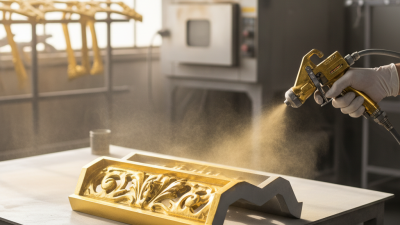
After heating, the powder coating is applied using electrostatic spray guns. These guns charge the particles, helping them adhere to the substrate. This method provides uniform coverage and minimizes overspray waste. Data shows that electrostatic application can result in up to 90% transfer efficiency, which is significantly higher than traditional liquid coatings. Finally, curing occurs in an oven, allowing the powder to melt and form a consistent, durable finish. Observations reveal that even slight variations in curing time can lead to subpar adhesion or rough surfaces, highlighting the need for careful monitoring.
Benefits of Thin Coating Powder Coating Compared to Traditional Methods
Thin coating powder coating offers various advantages over traditional methods. It's lighter and often requires fewer materials. This leads to reduced waste, which is better for the environment. The thinner layer also ensures a smoother finish, enhancing the aesthetic appeal of surfaces.
Moreover, thin coating powder offers excellent durability. It withstands scratching and corrosion better than many liquid coatings. This makes it a great choice for equipment and automobiles. The curing process is quicker, allowing for faster production times. However, precise application is crucial; too little can lead to incomplete coverage.
Tips: Always test a small area first. This helps you gauge the finish before applying it widely. Regular maintenance can extend the lifespan of coated surfaces. Even with thin coatings, occasional touch-ups may be necessary. Keep in mind that not all products suit every situation; evaluate your specific needs carefully.
What is Thin Coating Powder Coating and How Does it Work? - Benefits of Thin Coating Powder Coating Compared to Traditional Methods
| Aspect |
Thin Coating Powder Coating |
Traditional Coating Methods |
| Application Method |
Electrostatic spray |
Brush, roller, or spray |
| Drying Process |
Cures in an oven |
Air dries or requires heat |
| Coating Thickness |
Typically 1-3 mils |
Varies (up to 10 mils or more) |
| Finish Quality |
Smooth and uniform |
May require additional finishing |
| Environmental Impact |
Low VOC emissions |
Higher VOC emissions |
| Durability |
Highly resistant to chipping, scratching, and fading |
Less durable; more maintenance required |
| Curing Time |
Shorter curing time |
Longer curing times |
| Cost Effectiveness |
Cost-effective for production |
Higher material and labor costs |
Common Applications and Industries Utilizing Thin Coating Powder Coating
Thin coating powder coating is gaining traction across various industries. Its application spans automotive, electronics, and furniture manufacturing. According to a recent industry report, the global powder coatings market is expected to reach nearly $16 billion by 2027, highlighting increased adoption of this technology due to its environmental benefits and efficiency.
Automotive manufacturers utilize thin coating to enhance durability and appearance. The process provides a smooth finish and excellent resistance to corrosion. In electronics, devices are often coated with thin layers to prevent wear and enhance functionality. Furniture makers also appreciate its quick curing time and ability to produce vibrant colors. However, challenges remain, such as proper surface preparation and achieving uniform thickness, which can affect the end product’s quality.
Employing thin coating powder technology can yield significant advantages. This method reduces waste and is safer than liquid paints. A study shows that it generates 15% less volatile organic compounds (VOCs). Despite these benefits, some companies struggle with equipment cost and training. Adopting this technology requires careful consideration of operational costs versus long-term benefits.