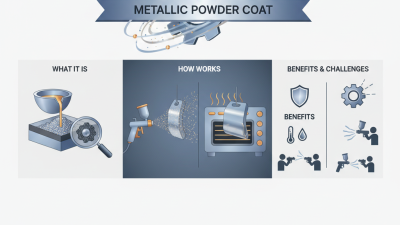
Why Choose Durable Powder Coating for Your Next Project?
When considering finishing options for your next project, durability is crucial. "Durable Powder Coating offers superior protection and aesthetics," says Jane Doe, an expert in coating technologies. This method not only enhances the lifespan of products but also provides a visually appealing finish.
Durable Powder Coating can withstand harsh weather conditions, heavy usage, and impact. It is eco-friendly, making it a smart choice for companies that value sustainability. However, this option may require initial investment. Some may hesitate due to cost, but the long-term benefits often outweigh these concerns.
Maintenance is also a factor to consider. Though it is resistant to chipping and fading, ensuring proper application is necessary to achieve the best results. In the wrong hands, powder coating can even result in a subpar finish. Thus, working with skilled professionals is essential. In the world of coatings, Durable Powder Coating stands out, promising quality and longevity for various applications.
Benefits of Durable Powder Coating in Various Industries
Durable powder coating offers numerous advantages across various industries, making it a preferred choice for many projects. It provides a resilient finish that resists chipping, scratching, and fading. This longevity is particularly beneficial in environments exposed to harsh weather conditions or heavy use, such as construction and automotive sectors. The aesthetic appeal of powder coating also enhances products, offering vibrant colors and smooth finishes.
Tips: Ensure the surface is clean before application. This will enhance bond strength and durability. Also, consider the environmental impact. Powder coating is more eco-friendly compared to traditional paint due to its lower volatile organic compound (VOC) emissions.
Various industries benefit from powder coating. In the furniture industry, for instance, it protects metal parts from wear and tear. In manufacturing, it can withstand chemicals and extreme temperatures. However, some challenges arise. The application process requires precise control to ensure consistent coverage. Over or under-application can lead to imperfections. Therefore, proper training and equipment are essential for optimal results.
Tips: Regularly inspect equipment for wear to maintain high application standards. Training staff can significantly reduce mistakes and improve product quality. Consider investing in maintenance to prevent costly production errors.
Comparative Analysis: Powder Coating vs. Traditional Finishing Methods
When choosing between powder coating and traditional finishing methods, key differences emerge. Powder coating offers a durable and resilient finish. Unlike liquid paint, it forms a thicker, tougher layer. This results in better scratch and UV resistance. Traditional methods often require multiple coats and may not last as long.
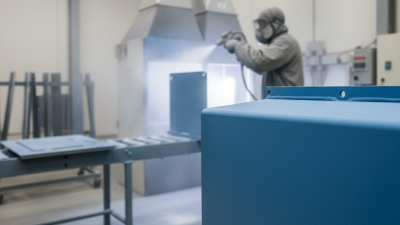
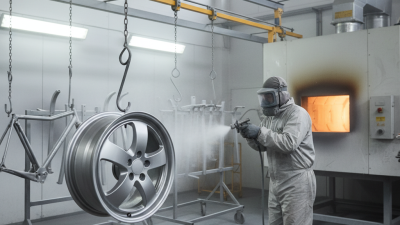
One important aspect to consider is application. Powder coating requires specific equipment for the electrostatic process. This can pose a challenge for smaller projects. Traditional painting methods are more accessible. However, they may lead to issues with consistency and durability over time.
Tips: Always use a reputable service for powder coating. Ensure they follow industry standards for quality. Compare the lifespan of both methods to assess long-term value. Remember, choosing the right process depends on your project needs. Balancing cost with quality is crucial.
Environmental Impact: Eco-Friendly Aspects of Powder Coating
Powder coating is a sustainable choice for various projects. Its application process generates minimal waste compared to traditional liquid paints. This method uses a dry powder that can be electrostatically charged. Surplus powder can be reused, reducing environmental impact.
Another eco-friendly aspect is the lack of harmful solvents. Solvent-based paints release volatile organic compounds (VOCs) into the air. These pollutants can harm human health and contribute to environmental degradation. In contrast, powder coating emits negligible VOCs. This makes it a safer option during application and for indoor air quality.
Choosing durable powder coating supports sustainability. It extends the lifespan of products, meaning fewer resources are needed for replacements. The high resistance to chipping, fading, and scratching adds to this longevity. However, it’s crucial to consider application conditions. If not done correctly, it may not adhere well, leading to premature failure. Proper training and techniques are essential for lasting results.
Cost-Effectiveness: Long-Term Savings with Durable Powder Coating
When considering your next project, the choice of durable powder coating can lead to significant cost-effectiveness. This method ensures a long-lasting finish that withstands various environmental factors. Unlike traditional coatings, powder coating provides excellent resistance to chipping, fading, and scratching. This durability translates into a lower frequency of maintenance and touch-ups, saving both time and money.
Investing in durable powder coating might seem more expensive initially. However, the long-term savings often outweigh those upfront costs. With its robust nature, surfaces coated with powder last much longer. You won't need to replace or repaint as often, which is a crucial point to consider. Some projects may not see immediate benefits, but over time, the financial advantages become clear.
Yet, not all powder coatings are created equal. It’s important to choose a reputable provider to ensure quality. Some lower-cost options may not deliver the promised durability. Penning a thorough comparison may reveal unexpected insights. Always weigh performance promises against real-world applications. This reflection could guide you toward making the most informed choice for lasting results.
Performance Metrics: Longevity and Resistance of Powder Coating Materials
Durable powder coating has become a popular choice for various applications due to its impressive performance metrics. Studies show that powder-coated surfaces can last two to four times longer than traditional paint finishes. This longevity is primarily due to the chemical bonds formed during the curing process. The coating adheres tightly to the substrate, making it resistant to chipping and scratching.
In terms of resistance, powder coating excels in various environments. According to the Environmental Protection Agency, these coatings offer superior resistance to wear and corrosion. They can withstand extreme temperatures without degrading. Additionally, tests reveal that powder-coated metal exhibits remarkable UV resistance, retaining color and gloss without fading. However, improper application can lead to weak spots. Surface preparation is critical to achieving the optimal performance metrics.
Data from industry reports indicate that over 90% of powder coating applications perform adequately when guidelines are followed. Yet, it's essential to ensure the application process is meticulously executed since mistakes can compromise durability. Recognizing these factors helps in making informed decisions for your next project.
Performance Metrics of Powder Coating
This chart illustrates the performance metrics of powder coating materials, showcasing their effectiveness in terms of resistance to corrosion, UV exposure, scratches, impacts, and chemicals. All values are represented as a percentage, indicating the longevity and durability one can expect from these coatings.