How to Choose the Best Golden Powder Coating for Your Project?
Choosing the right Golden Powder Coating can elevate any project’s aesthetic and durability. According to industry expert John Smith, “The right coating can make or break your project’s success." This advice underscores the importance of thoughtful selection in the powder coating process.
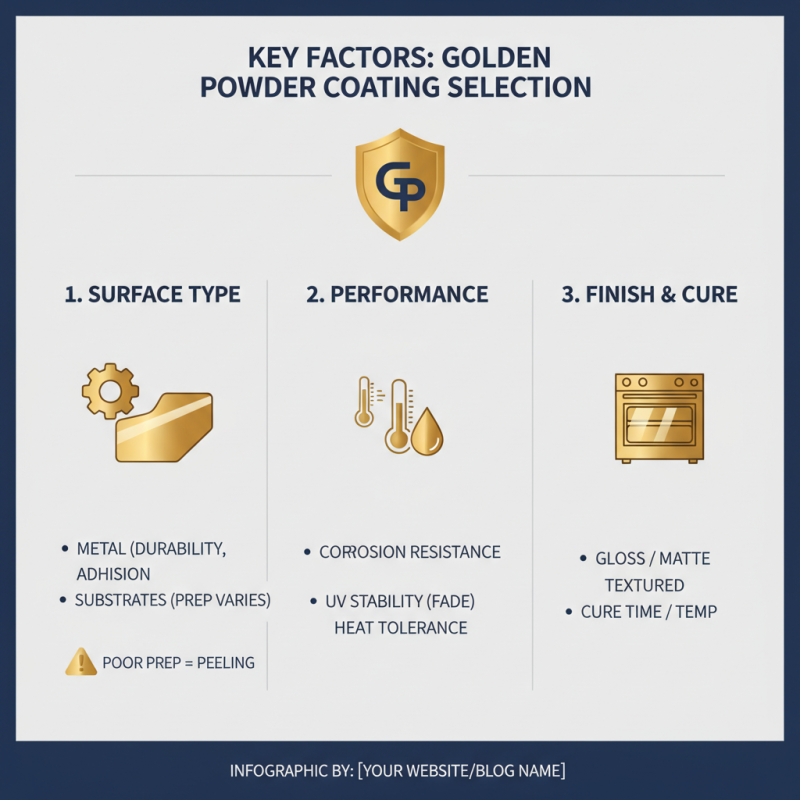
Golden Powder Coating is celebrated for its striking appearance and protective qualities. However, not all options deliver the same results. The choice depends on various factors like application method, surface type, and environmental exposure. It can be overwhelming to navigate through numerous products available.
Experience plays a vital role in this process. Many clients overlook specifics that could impact their outcomes. Quality varies significantly across manufacturers, making reliable resources vital. Even seasoned professionals might find themselves reconsidering their choices when facing a vast array of styles and finishes. Understanding the unique needs of your project is crucial in finding the best match for Golden Powder Coating.
Understanding Different Types of Golden Powder Coatings
When selecting golden powder coatings, understanding the various types is crucial. There are several formulations on the market, primarily categorized into polyester, epoxy, and hybrid systems. Polyester coatings offer excellent UV stability and corrosion resistance, making them popular for outdoor applications. According to a recent report by the Powder Coating Institute, over 50% of industrial applications prefer polyester for its durability and aesthetic appeal.
Epoxy coatings, on the other hand, excel in chemicals and abrasion resistance. They are often used in environments where contact with harsh substances is common. However, they may lack UV resistance, leading to color fading over time. Hybrid powder coatings attempt to combine the benefits of both polyester and epoxy, which can result in a more versatile finish.
It's essential to consider your project requirements. Aesthetics, the intended use of the coated item, and environmental factors all play a significant role. Ensure to review technical sheets and application guidelines from credible sources. This will help in making informed decisions that align with desired outcomes, while also acknowledging possible limitations in coating performance over time.
How to Choose the Best Golden Powder Coating for Your Project?
| Type of Golden Powder Coating |
Finish Type |
Suggested Applications |
Durability |
Cost Range (per kg) |
| Metallic Golden Powder Coating |
Metallic |
Furniture, Automotive Parts |
High |
$15 - $25 |
| Matte Golden Powder Coating |
Matte |
Decorative Items, Interior Fixtures |
Medium |
$12 - $22 |
| Glossy Golden Powder Coating |
Glossy |
Appliances, Lighting Fixtures |
Very High |
$18 - $30 |
| Pearlescent Golden Powder Coating |
Pearlescent |
Artistic Projects, Jewelry |
Medium |
$20 - $35 |
| Clear Golden Powder Coating |
Clear |
Protection for Underlying Surfaces |
Very High |
$14 - $25 |
Evaluating Durability and Performance of Golden Powder Coatings
When selecting a golden powder coating, evaluating its durability and performance is crucial. Powder coatings are widely recognized for their superior resistance to scratching, chipping, and fading. According to a report by the Powder Coating Institute, high-quality coatings can withstand extreme weather conditions, ensuring longevity. However, not all golden powders are created equal; some may fade under UV exposure, leading to discrepancies in appearance over time.
Performance metrics like adhesion and hardness are vital indicators of quality. The American Coatings Association suggests a minimum hardness rating of 2H for optimal durability. This means that the coating should resist pencil hardness tests designed to simulate everyday wear. Additionally, the thickness of the coating matters. Coatings that are too thin may not provide adequate protection. Industry experts recommend a thickness range from 2 to 5 mils to achieve the desired balance of aesthetic appeal and functional performance.
Another area of concern is the application process. Even the best powders can fail if improperly applied. Environmental conditions, like humidity and temperature, can significantly affect curing times and bond strength. Ideal conditions are often overlooked, yet they are essential for achieving a durable finish. It's imperative to conduct tests on sample surfaces before final application to ensure compatibility and performance under expected use cases.
Comparing Application Techniques for Golden Powder Coating
When selecting a golden powder coating, the application technique plays a pivotal role in achieving the desired finish. Common methods include electrostatic spraying, fluid bed coating, and manual application. Each technique offers distinct advantages and challenges.
Electrostatic spraying provides an even coat with minimal overspray. However, it requires specialized equipment and skilled operators. In contrast, fluid bed coating offers excellent coverage for complex shapes but can be challenging to control.
Research from the Powder Coating Institute indicates that application techniques affect both durability and aesthetic quality. A well-applied coat can enhance the longevity of materials by up to 30%. The thickness of the coating also matters. Ideally, a dry film thickness between 2-4 mils is recommended for best results.
Tips: Always test a small area before large applications. This approach helps identify any potential issues early. Ensure that the surface is clean and free from contaminants. A clean substrate can significantly improve adhesion and overall outcome. Lastly, invest in training or guidance to improve application techniques. This investment can mitigate the risk of uneven finishes or defects.
Cost Considerations and Budgeting for Your Golden Powder Coating Project
When budgeting for a golden powder coating project, careful planning is crucial. A comprehensive budget includes material costs, application expenses, and any finishing touches. Industry reports indicate that the average cost for high-quality powder coating ranges from $20 to $50 per pound. This price can vary based on color, finish, and supplier pricing strategies.
Consider the project scale. Larger projects may benefit from bulk purchasing, reducing overall costs. However, smaller projects may incur higher per-unit costs due to minimal volume. According to the Powder Coating Institute, projects over 500 square feet can achieve savings of 10-15% through negotiated supplier contracts.
Don’t overlook hidden costs. Surface preparation is essential for quality adhesion but can add 15-25% to your total project costs. Additionally, disposal fees for waste materials from the coating process can be substantial. Carefully analyze these factors when determining your budget to avoid unpleasant surprises later.
Cost Considerations for Golden Powder Coating