What is Ceramic Powder Coating Benefits and Applications?
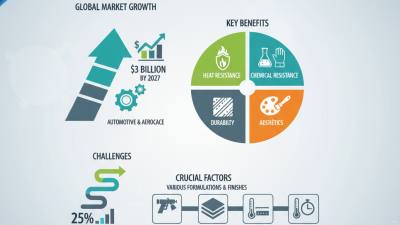
Ceramic Powder Coating has emerged as a revolutionary solution in various industries. Its unique composition offers exceptional durability and resistance to extreme conditions. According to a report by Research and Markets, the global market for powder coatings is projected to reach $15 billion by 2025, with ceramic coatings leading the charge. This popularity is driven by their impressive performance characteristics, including high-temperature resistance and corrosion protection.
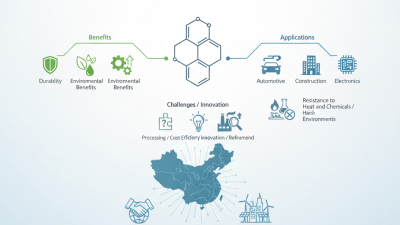
Applications of Ceramic Powder Coating span across automotive, aerospace, and consumer goods sectors. The automotive industry, in particular, has seen a growing demand for coatings that enhance the longevity and aesthetics of vehicles. However, there remains a challenge in achieving uniform application, which can affect the coating's performance. While many manufacturers are adopting these coatings, some still hesitate, citing concerns about application techniques.
As industries continue to embrace advanced coating technologies, Ceramic Powder Coating stands out. Its ability to withstand thermal and chemical stresses makes it a preferred choice for demanding applications. Yet, awareness of the precise application methods can be lacking. Continued education on these techniques can further solidify the status of Ceramic Powder Coating in the market.

Overview of Ceramic Powder Coating
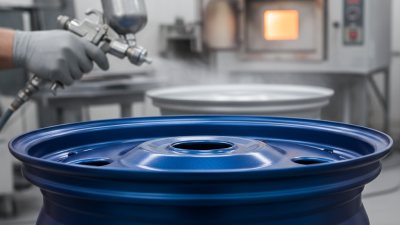
Ceramic powder coating is a specialized process that enhances surface durability. It is often used in industries like automotive, aerospace, and home appliances. This coating provides exceptional resistance to heat, chemicals, and abrasions. The application involves a fine ceramic powder applied to a surface and then cured, resulting in a hard, protective layer.
One benefit of ceramic powder coatings is their aesthetic appeal. They come in various colors and finishes, allowing for creative designs. This versatility is particularly beneficial for manufacturers aiming to stand out in a competitive market. However, achieving the right finish can be challenging and requires expertise. The application process must be conducted carefully to avoid flaws. Missteps can lead to uneven surfaces or poor adhesion.
Another important aspect is the environmental impact. Ceramic coatings are often more eco-friendly compared to traditional coatings. They emit fewer volatile organic compounds (VOCs). This shift towards greener practices aligns with global sustainability goals. Yet, the initial costs can be higher, raising concerns for some businesses. Investing in ceramic powder coatings requires careful consideration of both benefits and challenges.
Benefits of Ceramic Powder Coating
Ceramic powder coating offers numerous benefits for various applications. One significant advantage is its exceptional durability. It provides a tougher finish than traditional paint. This coating resists scratches, chips, and corrosion effectively. It ensures that surfaces maintain their appeal over time, even in harsh environments. Additionally, this coat can withstand extreme temperatures, making it suitable for industrial settings.
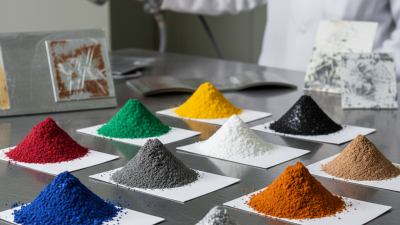
Another important feature is the aesthetic flexibility it provides. Ceramic powder comes in numerous colors and finishes. This allows designers to achieve a specific look without compromising performance. The coating can be applied to metals, plastics, and ceramics. Many industries benefit from this versatility, including automotive and aerospace. However, some challenges exist. The initial application may require specialized equipment and expertise. Not all facilities have access to this technology, potentially limiting its use.
Environmental considerations are worth mentioning. Ceramic powder coating is often more eco-friendly than liquid paints. It generates less volatile organic compounds during application. Yet, achieving a fully sustainable process remains a work in progress. Overall, ceramic powder coating embodies a balance of practicality and creativity. Its benefits span durability, aesthetics, and environmental impact. However, continuous improvements and broader access are essential to maximize its potential.
What is Ceramic Powder Coating Benefits and Applications? - Benefits of Ceramic Powder Coating
| Benefit/Application |
Description |
| Durability |
Ceramic powder coating provides enhanced resistance to scratches, chips, and abrasions, extending the lifecycle of coated items. |
| Heat Resistance |
Can withstand high temperatures without degrading, making it ideal for use in automotive and industrial applications. |
| Corrosion Resistance |
Provides excellent protection against rust and chemical corrosion, particularly for metal substrates. |
| Aesthetic Variety |
Available in a vast array of colors and finishes, allowing for customization to meet design preferences. |
| Eco-Friendly |
Ceramic powders have low VOC emissions and are generally non-toxic, making them safer for the environment. |
| Applications in Automotive |
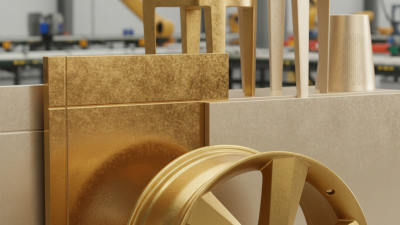
Used for coating wheels, engine components, and exhaust systems to enhance performance and appearance. |
| Industrial Applications |
Widely applied in machinery, tools, and equipment for added durability and resistance to wear. |
| Household Uses |
Commonly used in home appliances and fixtures to improve appearance and longevity. |
Common Applications of Ceramic Powder Coating
Ceramic powder coating offers a range of benefits that make it ideal for various industries. Its applications extend from automotive parts to household appliances. This coating is known for its high resistance to heat and corrosion. It can withstand temperatures up to 2,000°F, making it suitable for environments that face extreme conditions. According to a recent industry report, the ceramic coatings market is projected to reach USD 14.3 billion by 2027, reflecting a growing trend in these applications.
In the automotive sector, ceramic powder coating is often used for engine components and exhaust systems. These coatings improve durability and enhance performance. A survey found that 80% of manufacturers are integrating ceramic coatings due to their superior wear resistance. Additionally, ceramic coatings are gaining popularity in the aerospace industry. They provide thermal barrier protection, which is critical in maintaining engine efficiency.
Despite these advantages, it is essential to consider the application process. Achieving a flawless finish can be challenging, and improper application may lead to defects. Air bubbles or uneven surfaces can result from inadequate surface preparation. These imperfections can compromise the coating's protective qualities. Therefore, attention to detail in the application process is crucial for optimal performance.
Comparison with Other Coating Techniques
Ceramic powder coating is gaining attention. This technique offers several advantages over traditional coatings. It provides enhanced durability, increased resistance to scratches, and exceptional heat stability. According to industry reports, ceramic coatings can withstand temperatures up to 2000°F. This makes them ideal for high-performance applications.
In comparison to other coating methods, such as powder coating and liquid coatings, ceramic coatings stand out. Traditional powder coatings typically offer good corrosion resistance, but they lack the high-temperature performance of ceramics. Liquid coatings are versatile but often lack durability. A notable study published by the Materials Research Society indicates that ceramic coatings can extend the lifecycle of parts by up to 30%.
While the benefits are clear, ceramic powder coating requires careful application. The surface preparation must be precise to ensure optimal adhesion. Some practitioners report challenges with consistency in application thickness. This variance can affect performance. However, the growing body of evidence suggests that when applied correctly, the benefits outweigh the challenges.
Comparison of Ceramic Powder Coating with Other Coating Techniques
Environmental Impact and Sustainability of Ceramic Coatings
Ceramic coatings emerge as a significant player in the quest for sustainable materials. These coatings lack harmful volatile organic compounds (VOCs) found in traditional paints. This eco-friendly nature makes them appealing for various applications. Automotive and industrial equipment benefit from enhanced durability without compromising environmental safety.
One must reflect on the lifecycle of these coatings. While they offer sustainability in application, the production process can still raise concerns. Energy-intensive manufacturing methods can impact their overall green credentials. Moreover, understanding the disposal process is crucial. Will these coatings degrade easily, or do they pose challenges in waste management?
Enhancing our knowledge of ceramic coatings remains essential. As businesses increasingly prioritize sustainability, these coatings hold promise. However, the balance between performance and environmental impact needs careful evaluation. As with many innovations, ongoing improvements and transparency in production are vital for true sustainability.