How to Choose the Best Ceramic Powder Coating for Your Needs?
Choosing the right ceramic powder coating can significantly impact durability and aesthetics. Industry data shows that the global ceramic powder coating market is projected to reach $3 billion by 2027, driven by its rising applications in automotive and aerospace sectors. Ceramic powder coatings offer superior resistance to heat and chemicals, making them ideal for a variety of environments.
However, not all ceramic coatings are created equal. The selection process can be overwhelming. Various formulations, color options, and finishes exist in the market. Reports indicate that approximately 25% of users express dissatisfaction due to inadequate performance or color options. This highlights the importance of understanding the specific requirements for your project.
Evaluating factors such as application method, thickness, and curing requirements is crucial. Many users find themselves facing issues related to adhesion or finish quality, signaling a need for deeper research. Ensuring the right choice becomes essential to avoid future regrets. By addressing these points, one can navigate the complexities associated with choosing ceramic powder coating more effectively.

Understanding the Basics of Ceramic Powder Coatings
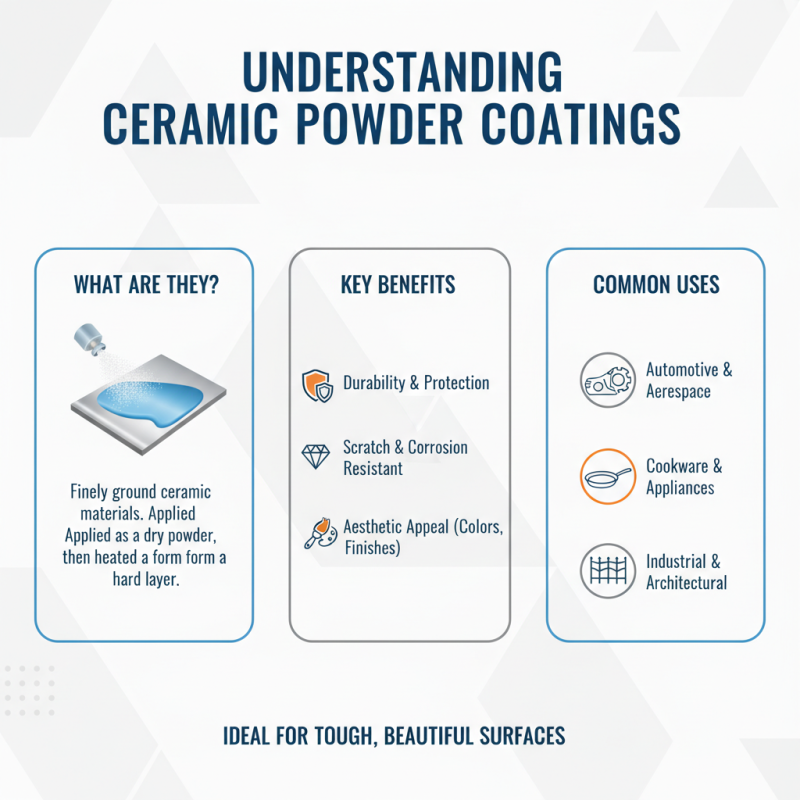
Ceramic powder coatings are becoming popular due to their durability and aesthetic appeal. These coatings are made from finely ground ceramic materials. They provide a hard, protective layer to various surfaces, making them ideal for industrial and consumer applications. Understanding the basic properties of ceramic powder coatings is crucial when selecting the right type for your needs.
Key characteristics include resistance to heat, chemicals, and scratching. The thickness of the coating affects its performance. Thicker coatings may provide more protection but can alter the appearance of the surface. On the other hand, thinner coatings maintain the original look but may wear out faster. It’s essential to balance these factors based on your specific application.
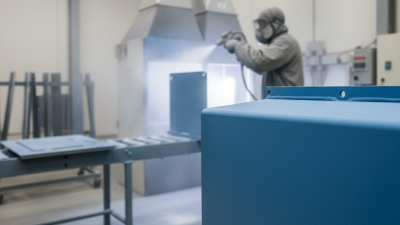
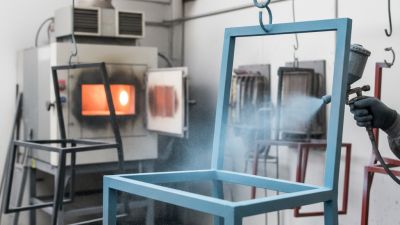
Application methods also vary. Powder coating requires electrostatic spray or fluidized bed techniques. Each method has its challenges. The curing process is vital for achieving optimal performance. Improper curing can lead to delamination or inadequate hardness. This means a careful assessment of both the coating and the process is necessary. By grasping these details, you can make a more informed decision about the ceramic powder coating that best suits your project.
Types of Ceramic Powder Coatings and Their Applications
When selecting ceramic powder coatings, understanding the different types is crucial. There are several main categories. These include high-performance coatings, which are designed for extreme durability. They resist heat, corrosion, and wear. Such coatings are ideal for automotive parts or industrial equipment. They often offer a shiny finish, which enhances aesthetics.
Another type is decorative coatings. These provide a broad range of colors and textures. Homeowners often use them for items like kitchenware or garden fixtures. The variety allows for creativity in personalizing space. However, they may not offer the same level of durability.
Functional coatings serve specific purposes, such as electrical insulation or thermal barriers. Understanding application areas helps in making informed choices. Customers sometimes overlook the importance of application methods, which can affect the final outcome. Proper preparation is essential. Ignoring surface conditions may lead to poor adhesion. This highlights the need for thorough research and careful planning.
Factors to Consider When Choosing Ceramic Powder Coating
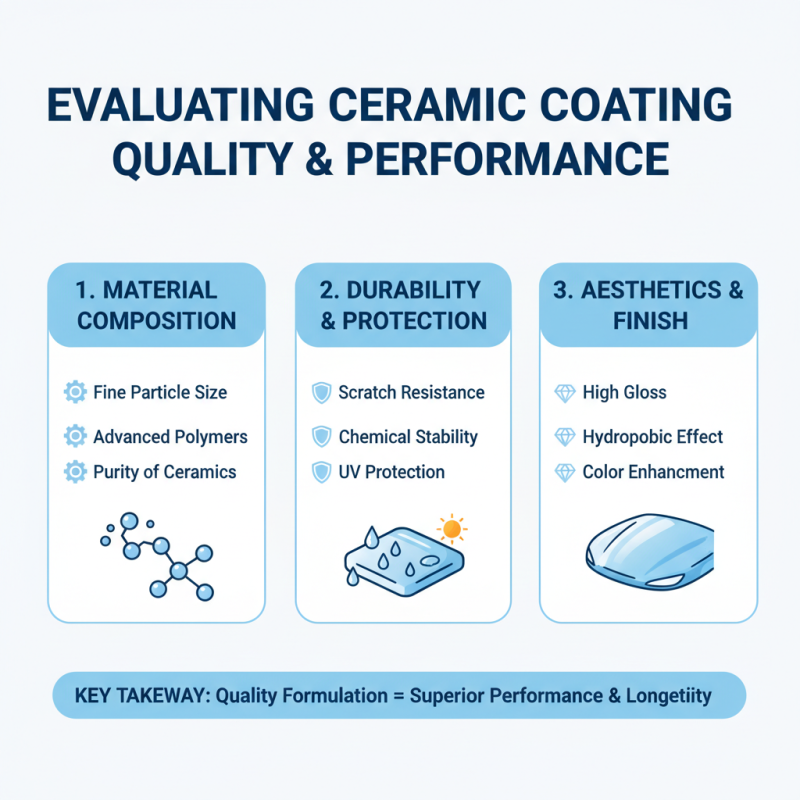
When selecting ceramic powder coatings, several factors come into play. One crucial aspect is temperature resistance. Many ceramic powders can withstand temperatures exceeding 1,500 degrees Fahrenheit. This is essential for applications in high-heat environments, such as automotive and aerospace industries. A study from the American Coatings Association indicates that temperature resistance directly impacts the lifespan of the coating.
Next, consider the coating's hardness and abrasion resistance. Industry reports suggest that ceramic coatings often have a hardness rating of 9, which is on the Mohs scale. This rating makes them significantly tougher than other coatings, providing increased durability for parts that experience heavy wear. Selecting a product with the appropriate hardness can greatly enhance the lifespan of machinery components.
Color and gloss level are also significant. While some may prioritize aesthetics, they should not overlook functionality. Certain colors may not provide the same level of UV resistance or thermal stability. It's vital to examine both elements. Additionally, the surface preparation method affects coating adhesion and performance, which can lead to unforeseen issues. Choosing the right ceramic powder entails careful consideration of these factors for optimal results.
Recommendations for Specific Industries and Use Cases
Choosing the right ceramic powder coating involves understanding specific industry needs. For automotive applications, high-temperature resistance is crucial. A coating that withstands engine heat will protect parts from degradation. Industries like aerospace also require lightweight and durable options to ensure safety and performance.
In the food industry, coatings must be non-toxic and corrosion-resistant. These coatings help maintain hygiene standards and resist stains. The use of bright colors can also enhance appearance, making products more appealing. However, it is essential to ensure that all materials used comply with health regulations.
Manufacturers should consider wear resistance for industrial applications. A coating that resists scratching and chipping can extend product life. However, not all coatings may perform equally. Testing different types in real-world scenarios often reveals unexpected results. Each choice has its pros and cons, requiring thoughtful consideration to get it right.
Comparison of Ceramic Powder Coating Applications by Industry