


The Future of Powder Coating: Top Trends You Need to Know in 2025
Powder Coating has become a popular finishing technology across a wide range of industries due to its durability, eco-friendliness, and aesthetic appeal. As we move into 2025, the powder coating industry is undergoing significant transformations, driven by innovation, sustainability efforts, and evolving customer needs. Let’s explore the top trends shaping the future of powder coating.
1. Sustainability and Eco-Friendly Coatings
Sustainability has been a growing concern for businesses and consumers alike, and the powder coating industry is no exception. In 2025, we can expect to see a stronger emphasis on eco-friendly powder coatings. These formulations aim to reduce the carbon footprint and minimize harmful emissions. Manufacturers are focusing on low-VOC (Volatile Organic Compounds) and water-based powder coatings, which not only comply with global environmental regulations but also offer an eco-conscious option without compromising performance.
2. Innovative Powder Coating Materials
Advancements in materials science are paving the way for more innovative powder coatings. New formulations are being developed to improve adhesion, enhance flexibility, and withstand extreme environmental conditions. This includes high-performance coatings that are resistant to heat, chemicals, and UV radiation. With the introduction of nano-coatings and hybrid coatings, manufacturers can achieve superior finishes that are both long-lasting and aesthetically pleasing, even in the most challenging conditions.
3. Automation and Digitalization in Powder Coating Systems
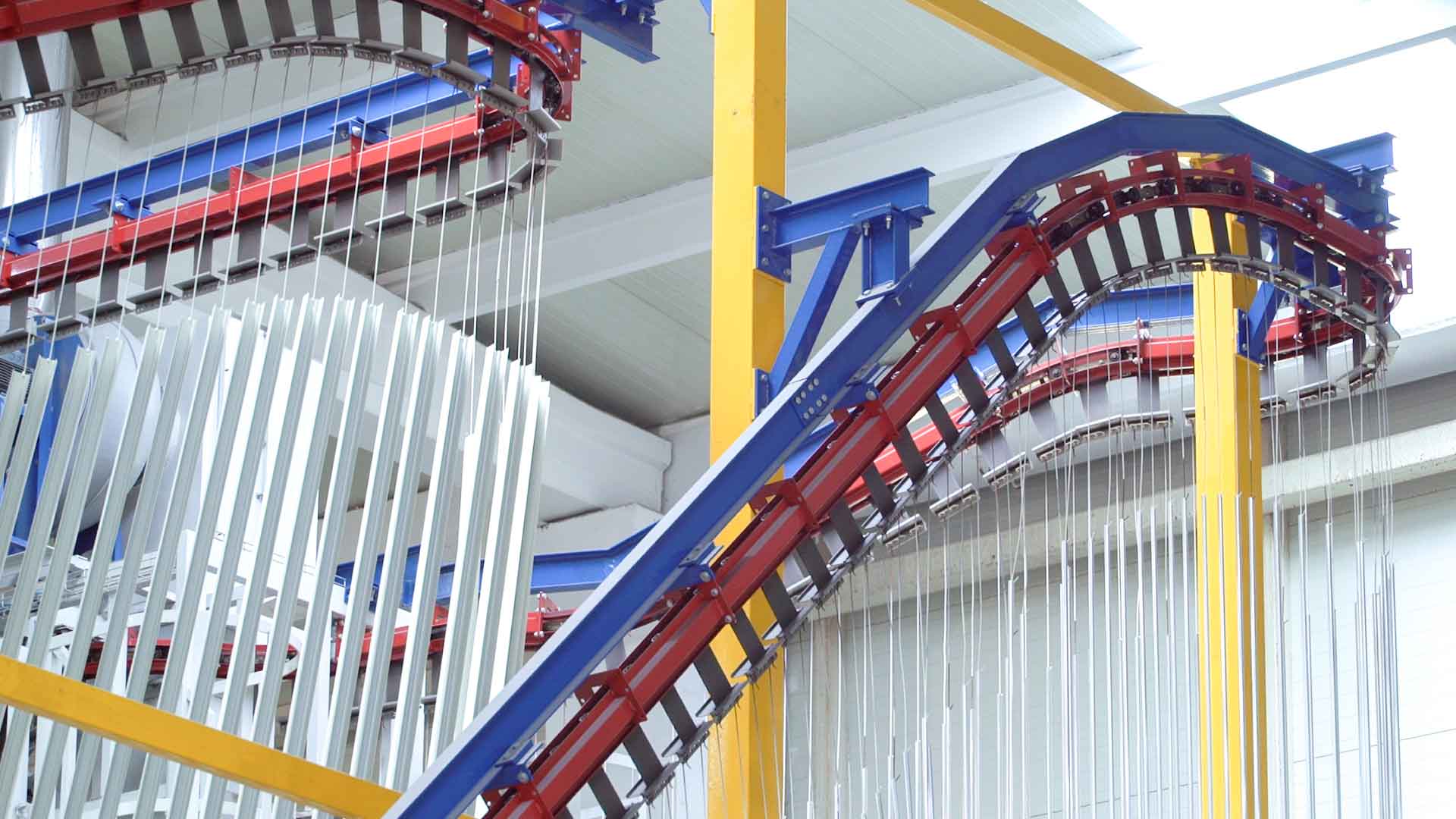
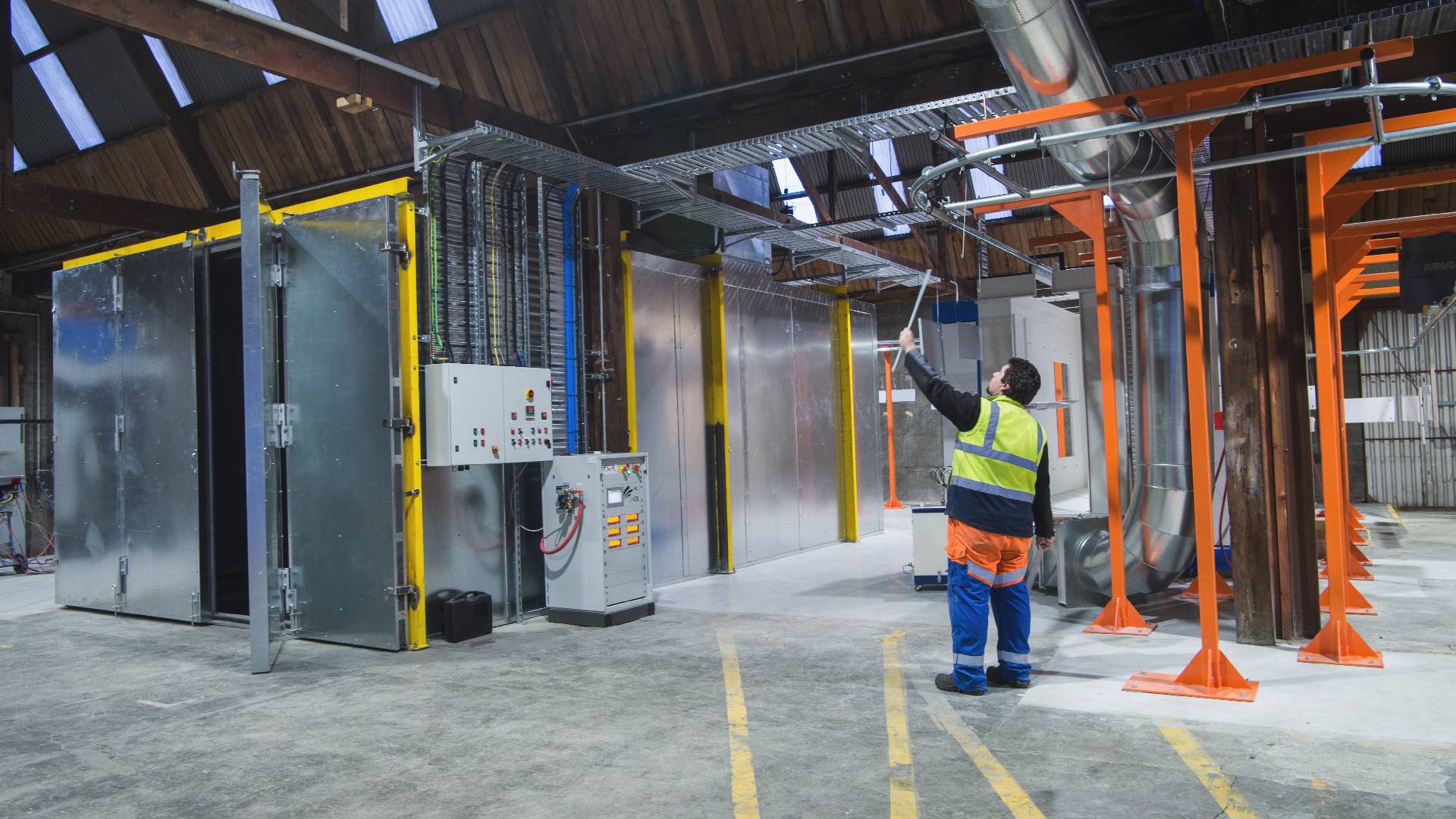
The rise of automation and digitalization in manufacturing processes is changing how powder coatings are applied. In 2025, we can expect an increase in the use of automated powder coating systems that offer precise control over application thickness, curing times, and energy efficiency. These systems use robotic arms and smart sensors to reduce waste, improve coating consistency, and optimize production efficiency. This trend not only improves the quality of finishes but also contributes to overall cost savings.
4. Customization and Color Trends
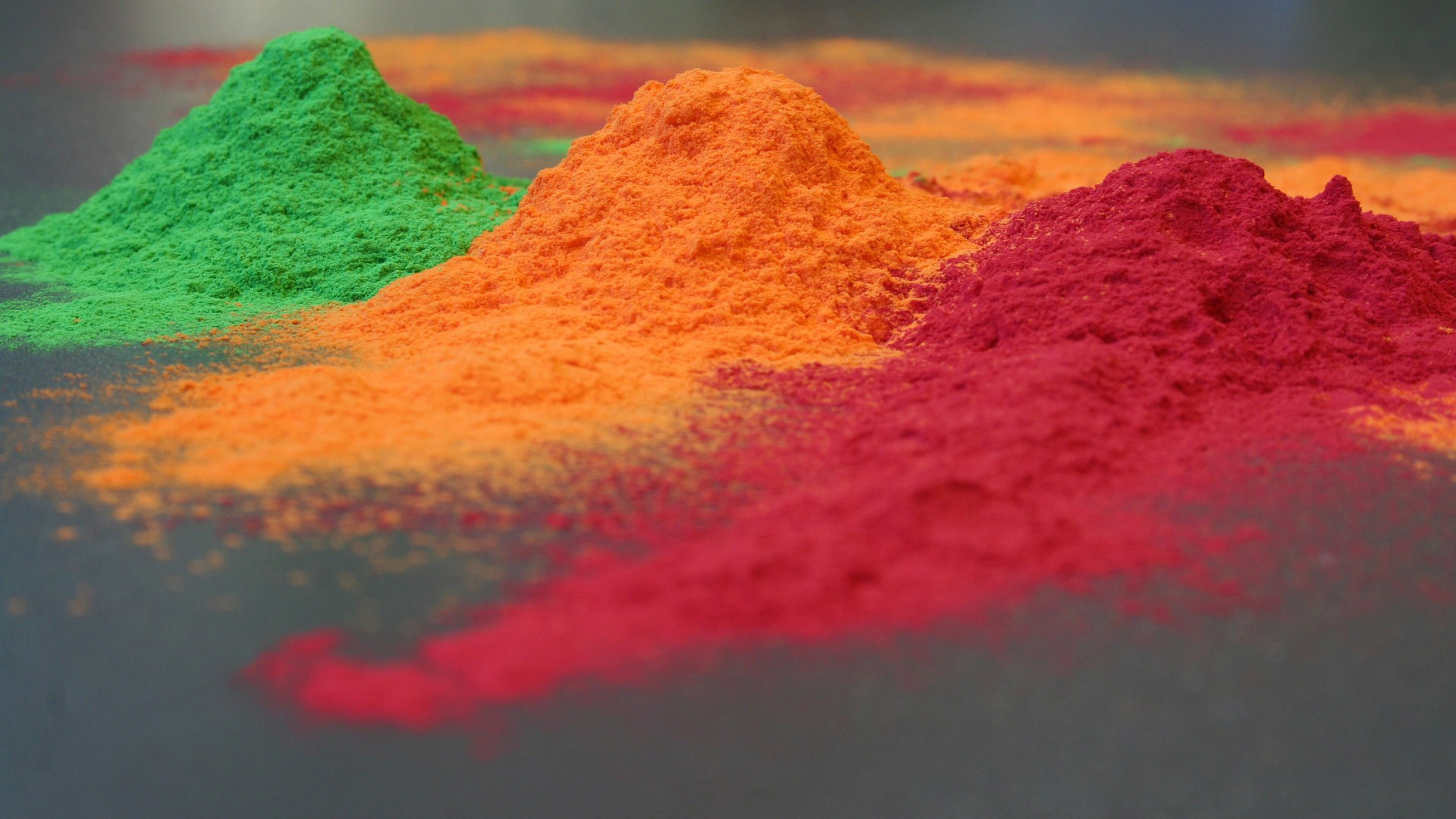
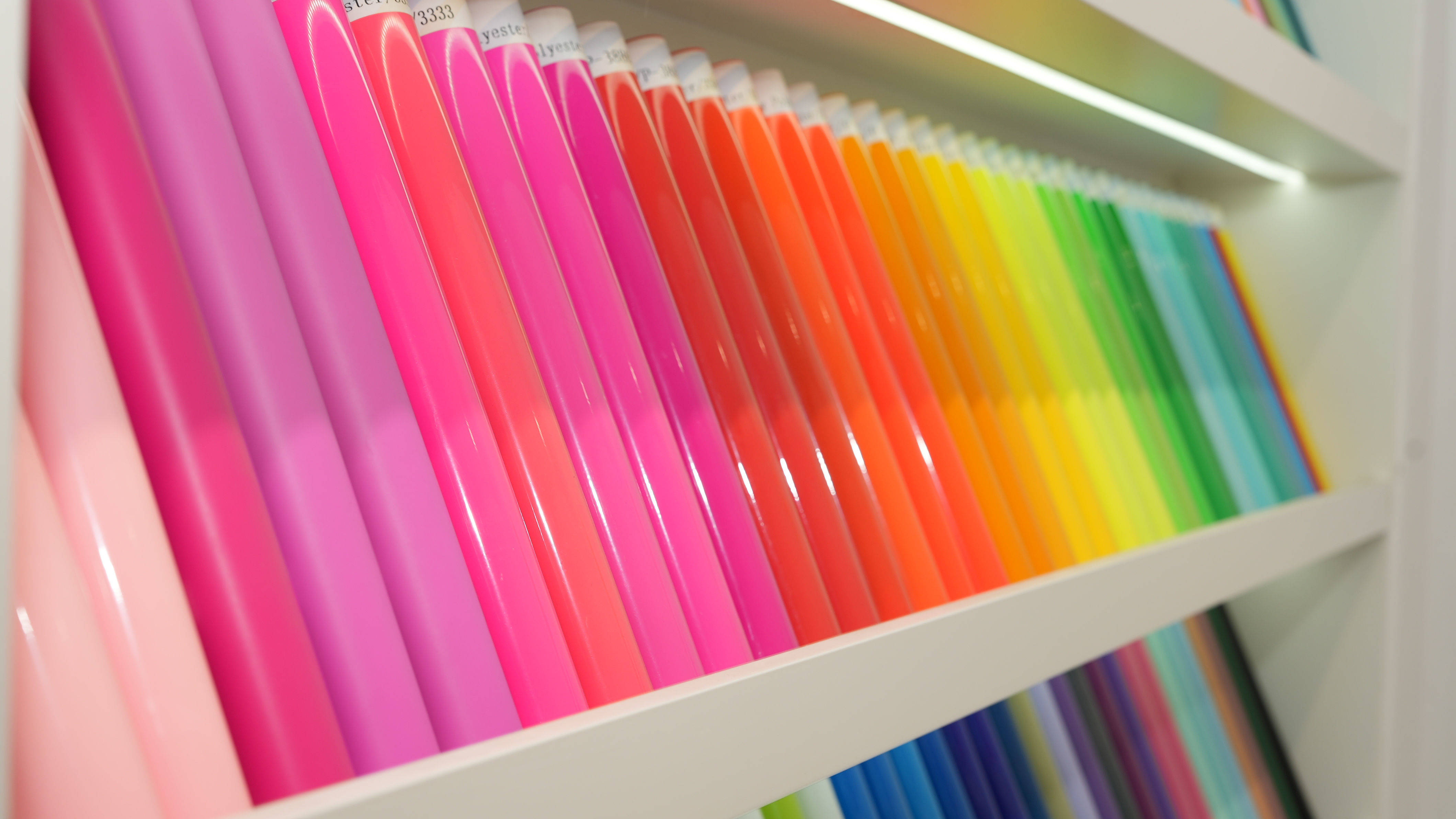
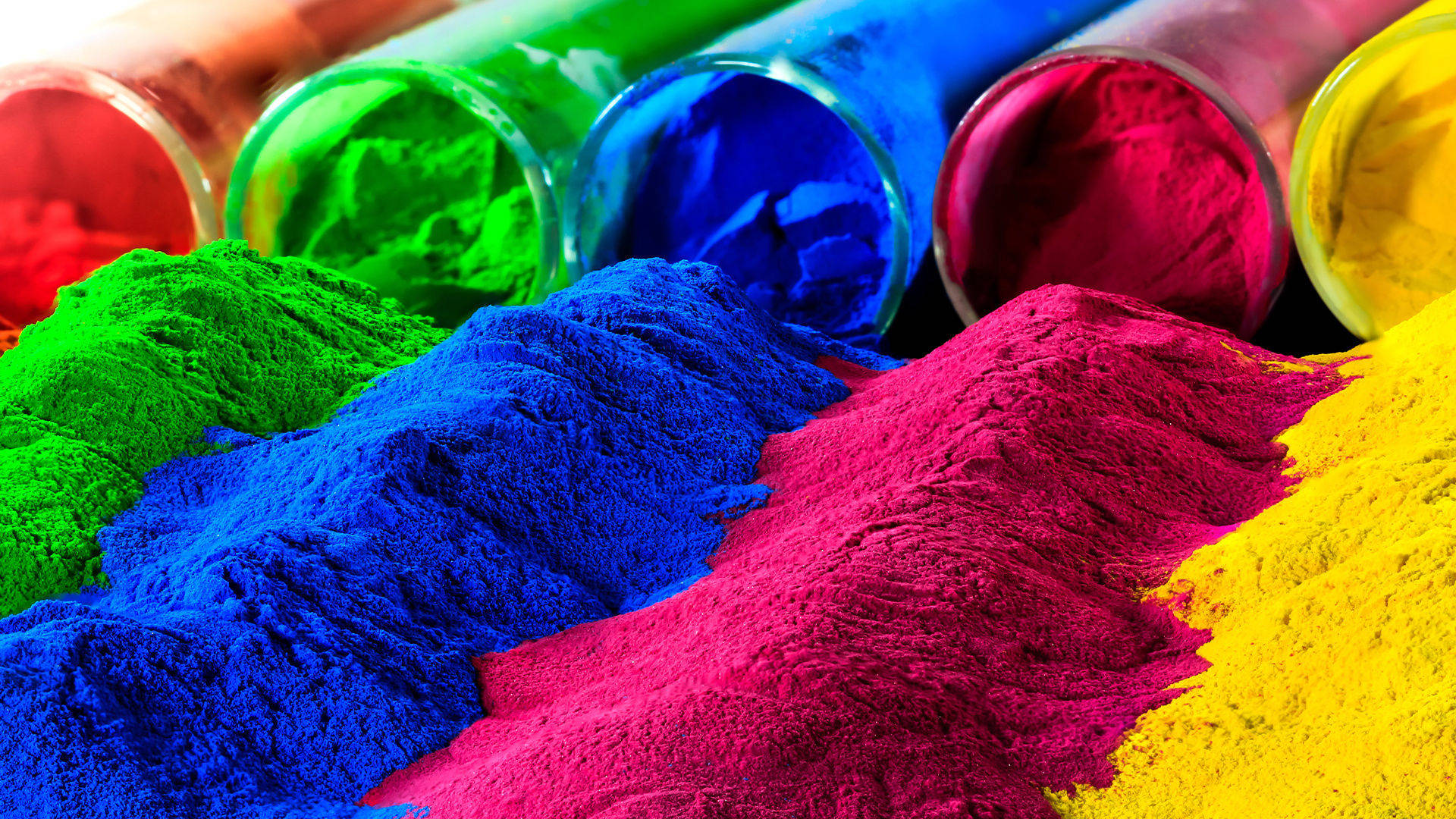
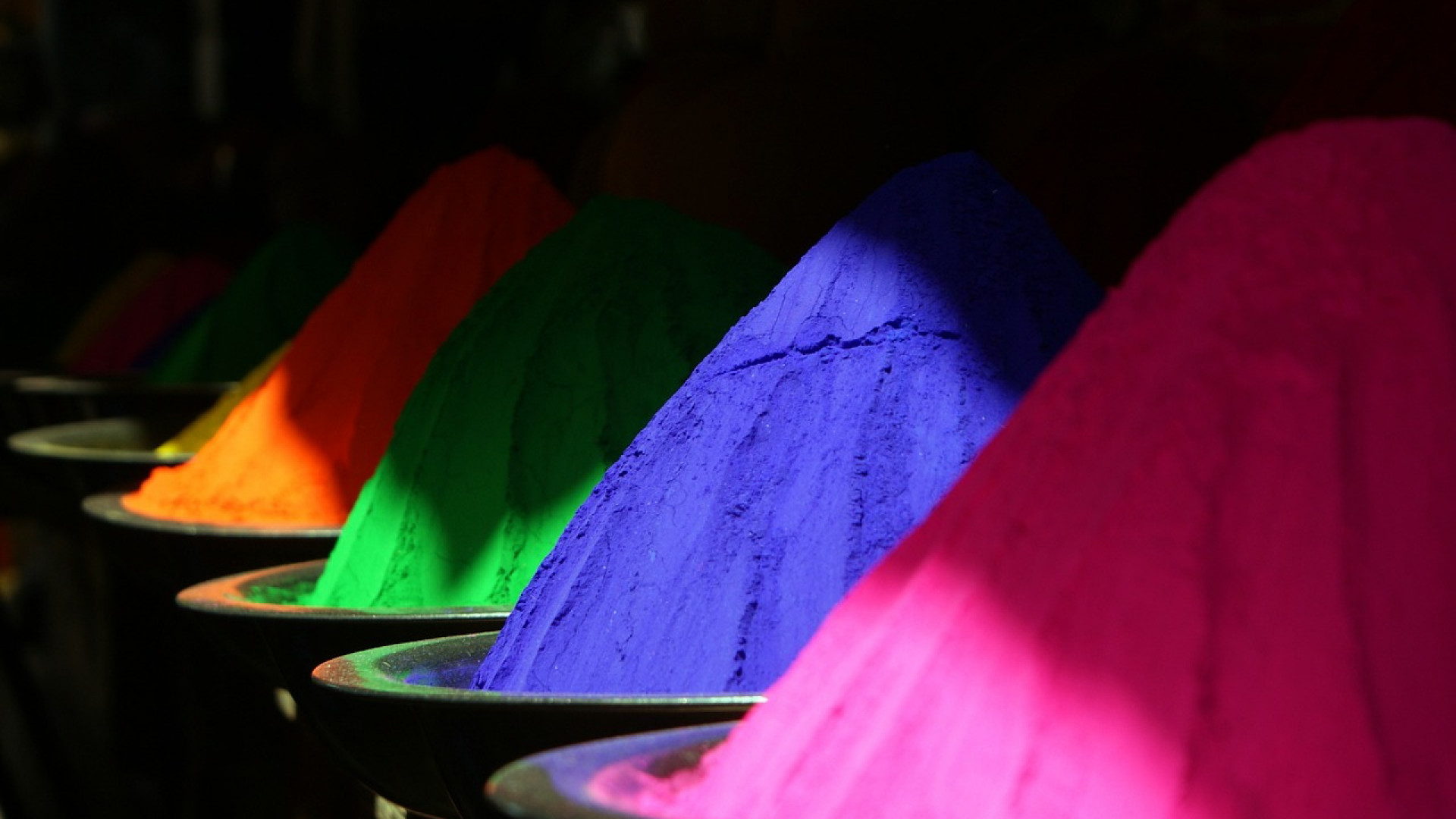
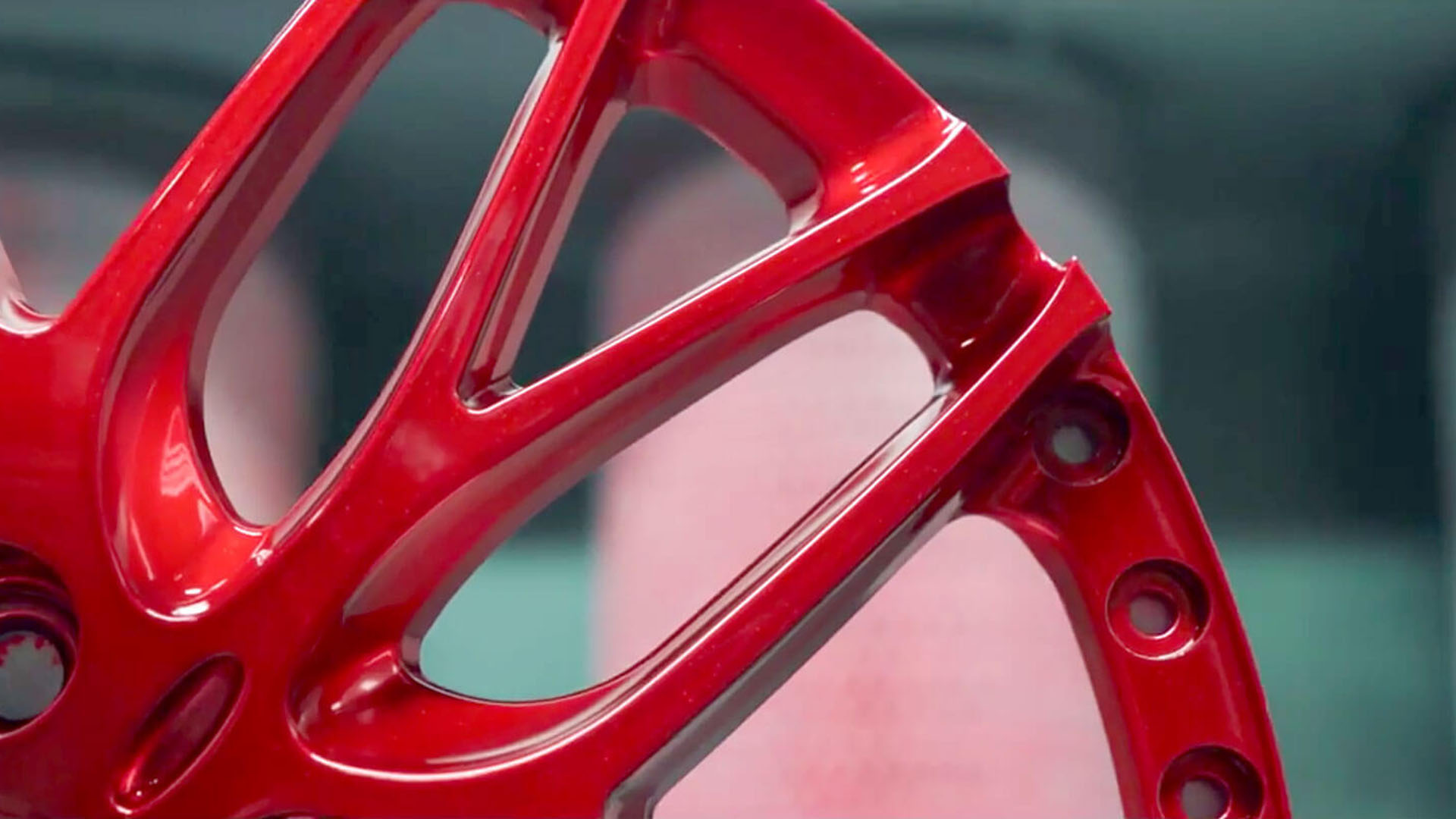
As consumer demands for personalized products grow, customization has become a significant trend in the powder coating industry. In 2025, we can anticipate more demand for unique color finishes and special effects like metallics, textures, and pearlescent finishes. Powder coating manufacturers are introducing more customizable color options and special effects that allow customers to choose from a wide range of finishes that match their specific needs. This trend is particularly relevant in industries such as automotive, furniture, and consumer electronics, where aesthetics play a key role.
5. Smart Powder Coating for Industrial Applications
One of the most exciting developments in powder coating is the rise of smart coatings. These coatings are designed to incorporate advanced technologies such as self-healing, anti-microbial properties, and sensors that can monitor environmental conditions. In 2025, industries like aerospace, automotive, and electronics will increasingly rely on smart coatings to enhance performance, safety, and longevity of their products. These coatings can automatically repair minor damage or protect surfaces from corrosion and wear, significantly extending the lifespan of critical components.
6. Powder Coating in New Industries
While powder coating is widely used in industries like automotive, construction, and appliances, new sectors are beginning to explore its potential. Electronics and medical devices are emerging as key areas for powder coating innovation in 2025. The ability of powder coating to provide consistent, durable finishes while also offering heat and electrical insulation properties makes it an ideal solution for these industries. Additionally, powder coating’s non-toxic nature aligns well with medical device standards, making it a promising option for manufacturers looking for safe and reliable finishes.
7. Energy Efficiency and Cost Reduction
As energy prices continue to rise, manufacturers are seeking ways to improve efficiency while reducing costs. In 2025, we can expect powder coating systems to become even more energy-efficient. Advanced curing technologies, such as infrared curing and LED UV curing, are gaining traction, allowing for faster curing times and lower energy consumption. These advancements help companies save on both energy costs and production time, making powder coating a more cost-effective option in the long run.
8. Global Expansion of Powder Coating Markets
The global powder coating market is experiencing rapid growth, with emerging markets in Asia-Pacific, Latin America, and Africa. In 2025, we can expect a greater demand for powder coating products in these regions, driven by expanding industrialization, infrastructure development, and consumer markets. As the demand for durable and eco-friendly finishes increases, manufacturers in these regions will look to adopt more advanced powder coating technologies to stay competitive.
9. Improved Powder Coating Application Techniques
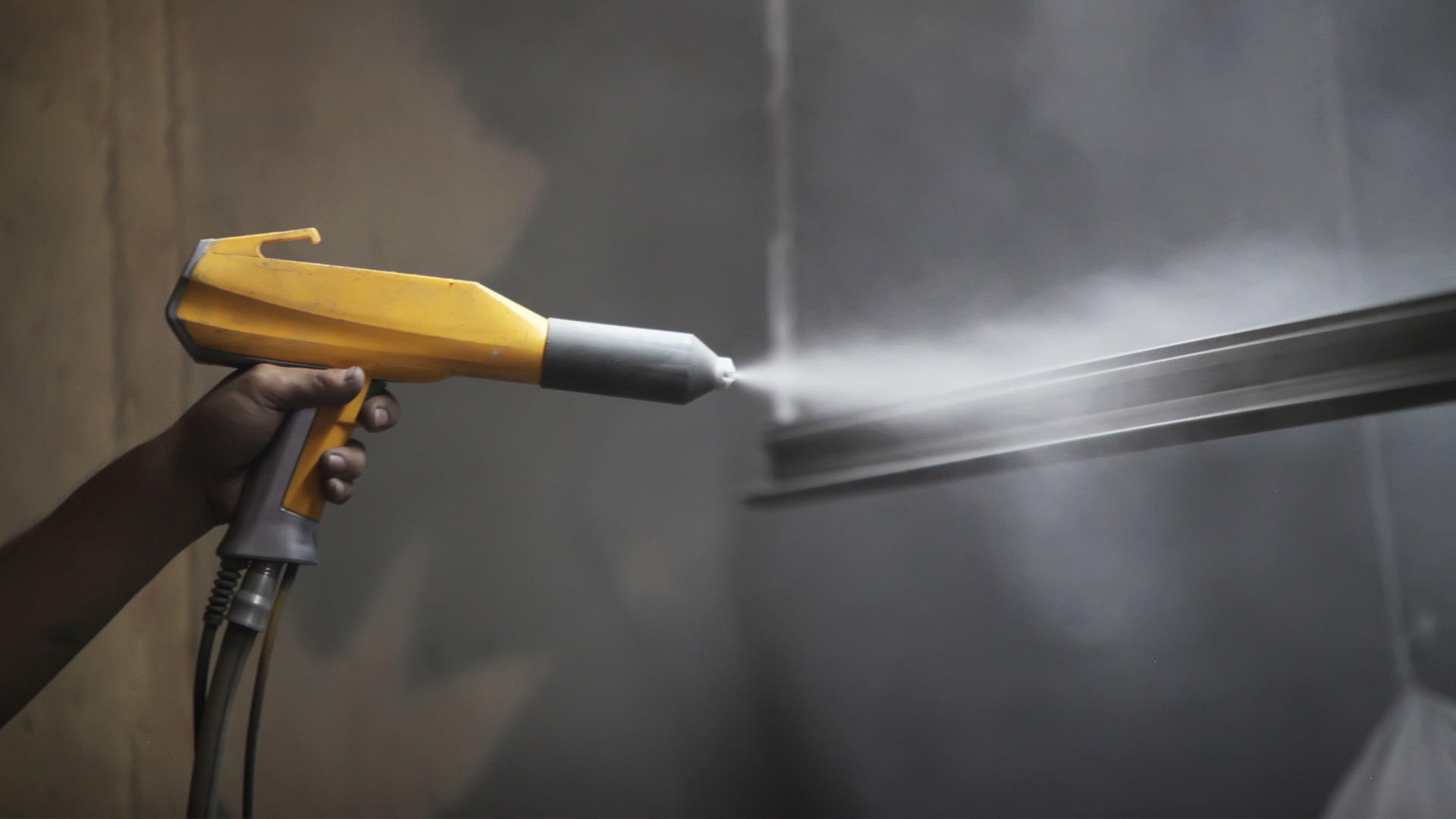
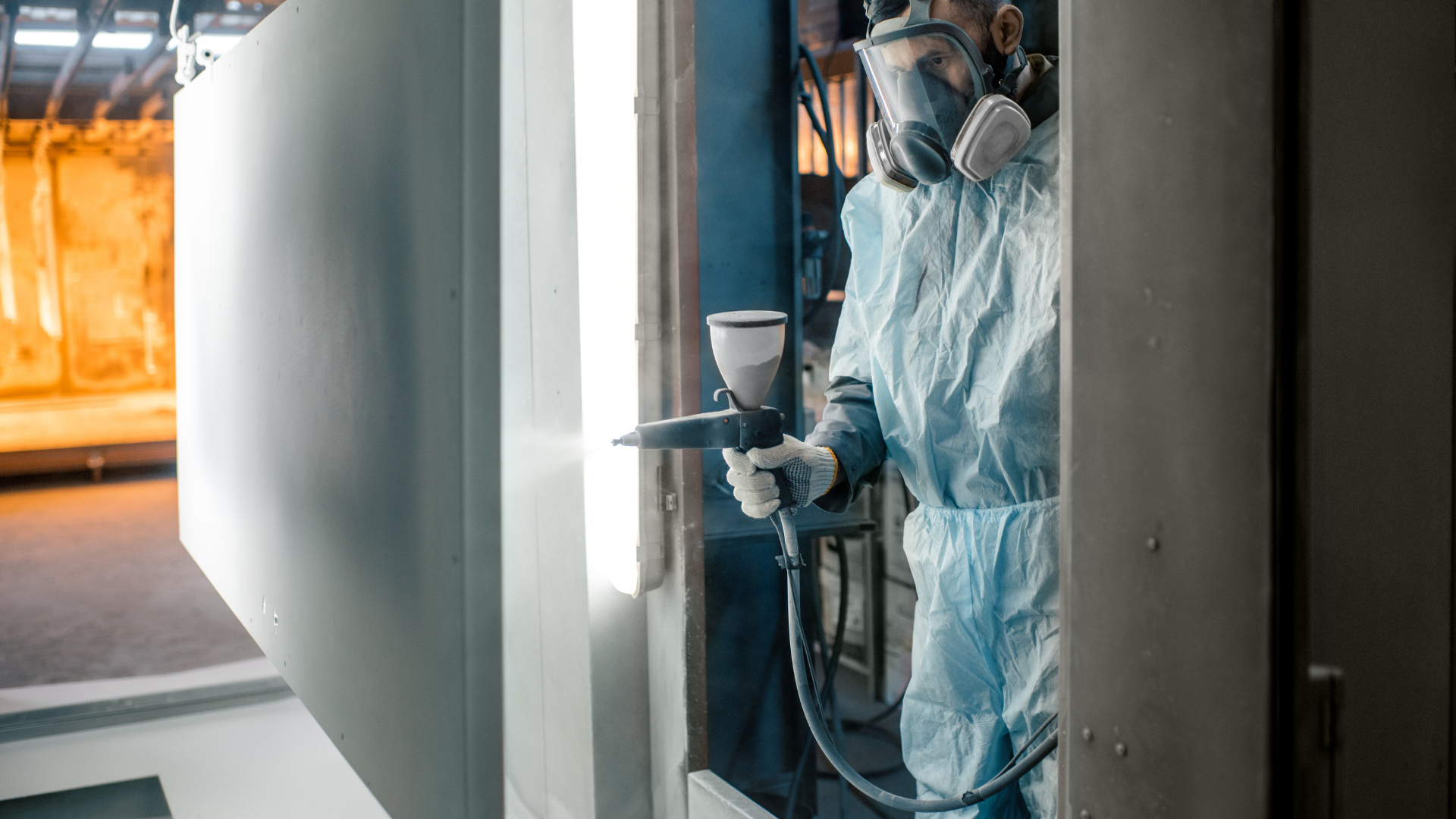
To meet the growing demand for powder coating in various industries, application techniques are evolving. In 2025, we will see more sophisticated methods such as electrostatic spray deposition (ESD) and fluidized bed coating becoming more accessible. These techniques help achieve superior finishes while reducing coating waste and improving efficiency. Additionally, advancements in application equipment, such as automatic guns and spray booths, are improving the precision and quality of the coating process.
Conclusion
The powder coating industry is on the brink of an exciting transformation as it continues to embrace sustainability, innovation, and new technologies. In 2025, we can expect to see greener materials, smarter coatings, and more efficient systems that will drive the future of powder coating. Businesses that keep pace with these trends will be well-positioned to take advantage of the growing demand for high-quality, eco-friendly finishes across industries.