




Powder Coating vs. Liquid Coating: Which is Best for Your Business?
In the industrial and manufacturing sectors, Coating Processes are crucial for enhancing the durability, aesthetics, and protection of products. Among the most commonly used methods are powder coating and liquid coating. Each method has its own set of advantages and is suitable for different types of applications. Choosing the right coating process for your business can be a challenge, as it depends on factors such as durability, environmental concerns, cost, and the nature of the items being coated. This article will provide a detailed comparison of the two methods, helping you make an informed decision based on your business’s specific needs.
Powder Coating vs. Liquid Coating: Key Differences
Powder Coating
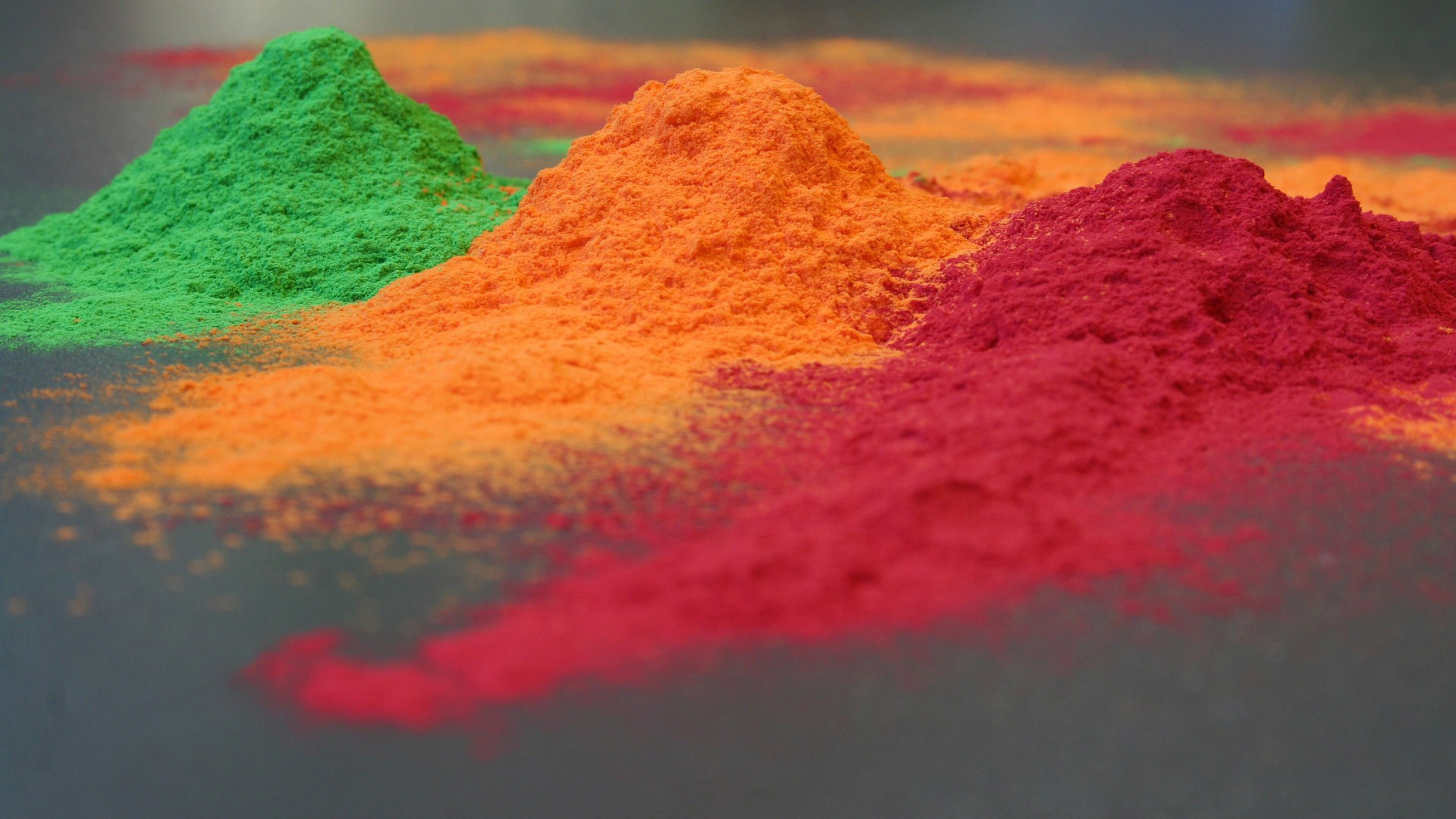
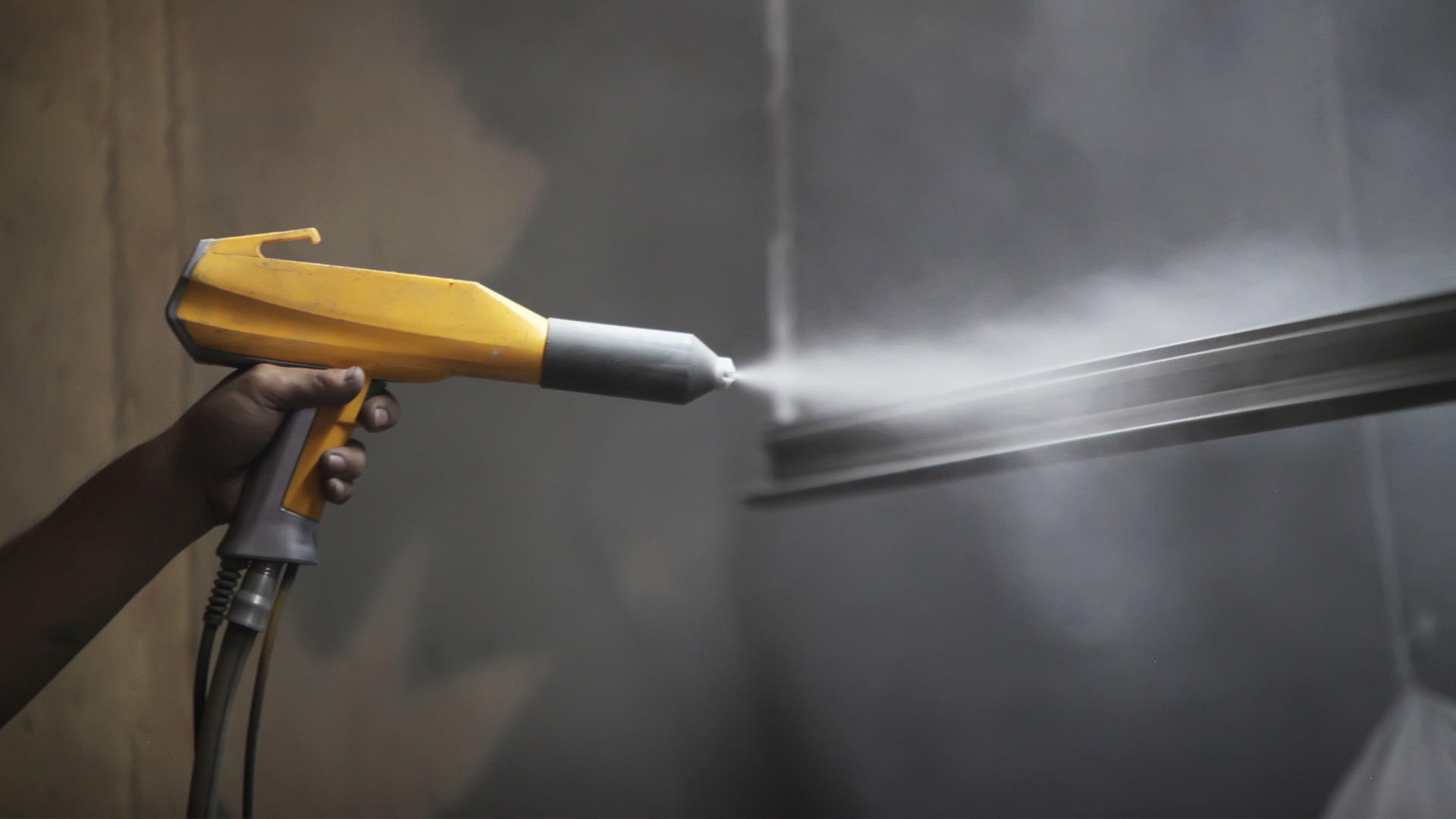
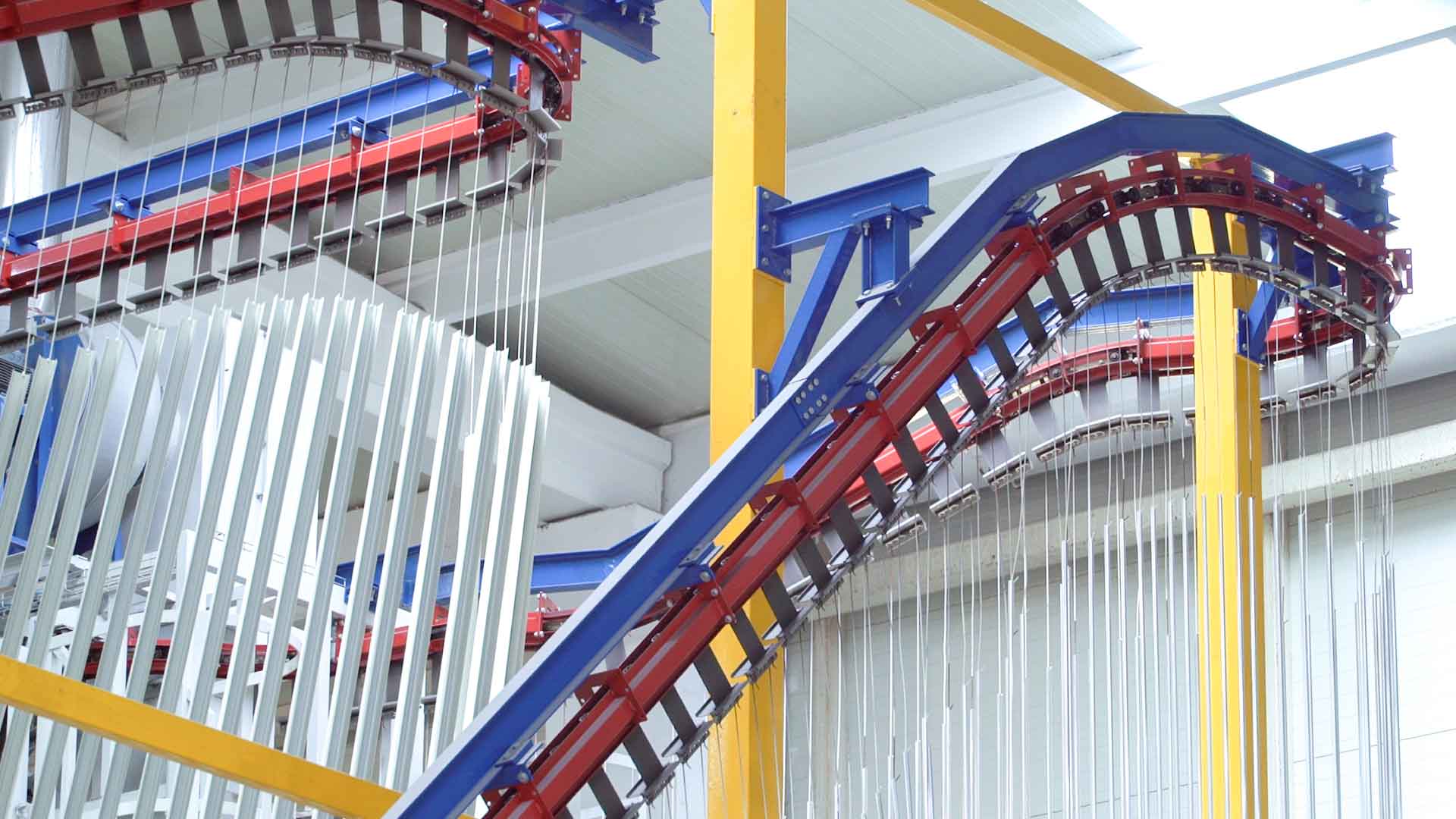
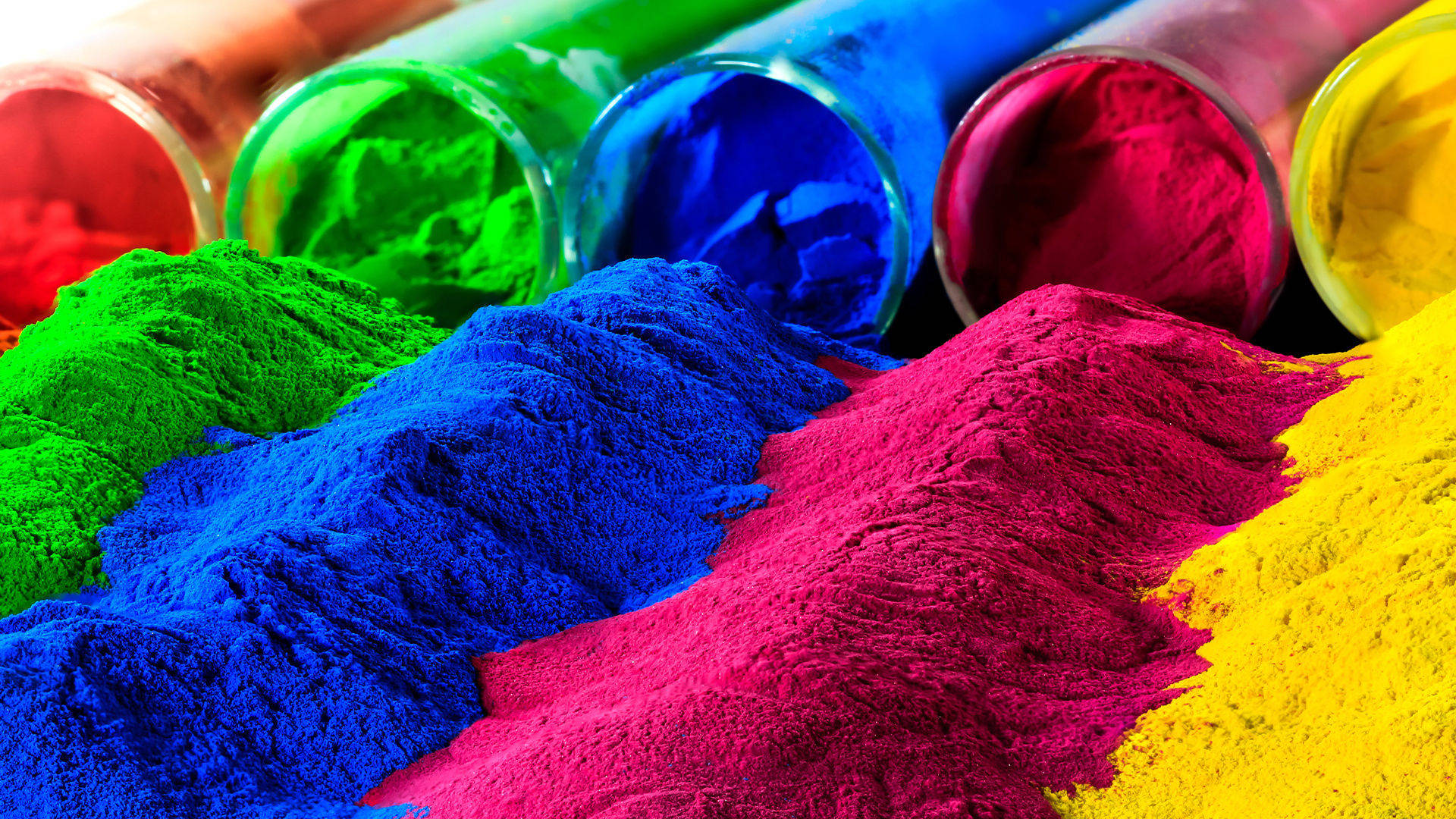
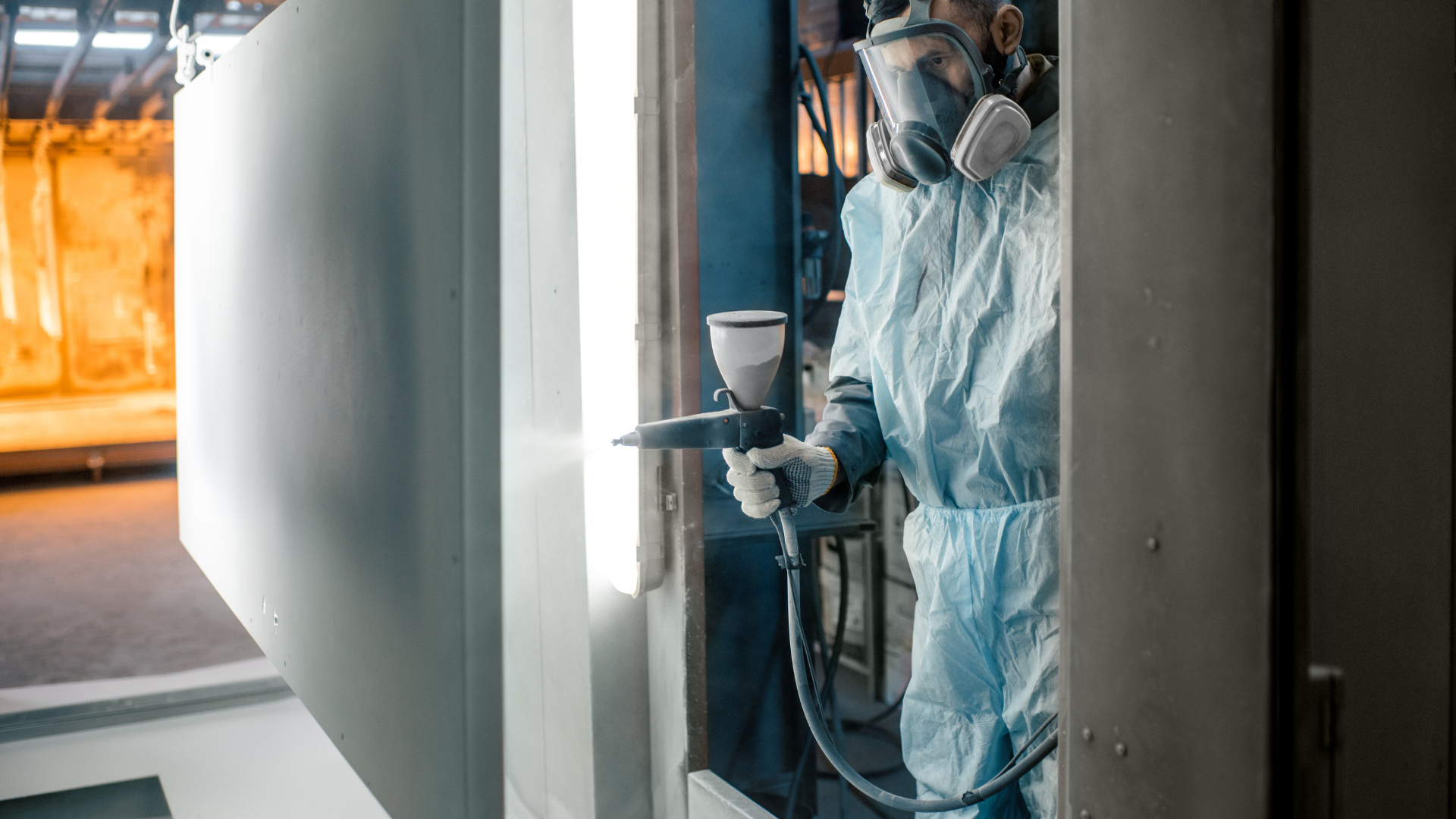
Powder coating is a dry finishing process that involves applying a fine powder to a metal or other surface. The powder is electrostatically charged and sprayed onto the object. After application, the powder is cured in an oven, forming a hard, durable finish. This method is commonly used for metal products, automotive parts, and architectural elements.
Advantages of Powder Coating:
● Durability:Provides a thicker, more durable finish that is highly resistant to scratches, chips, fading, and corrosion. Ideal for outdoor or high-wear applications.
● Environmental Impact: Contains no solvents or VOCs (volatile organic compounds), making it a more environmentally friendly option compared to liquid coatings.
● Efficiency: High transfer efficiency with minimal overspray. Unused powder can be reclaimed and reused.
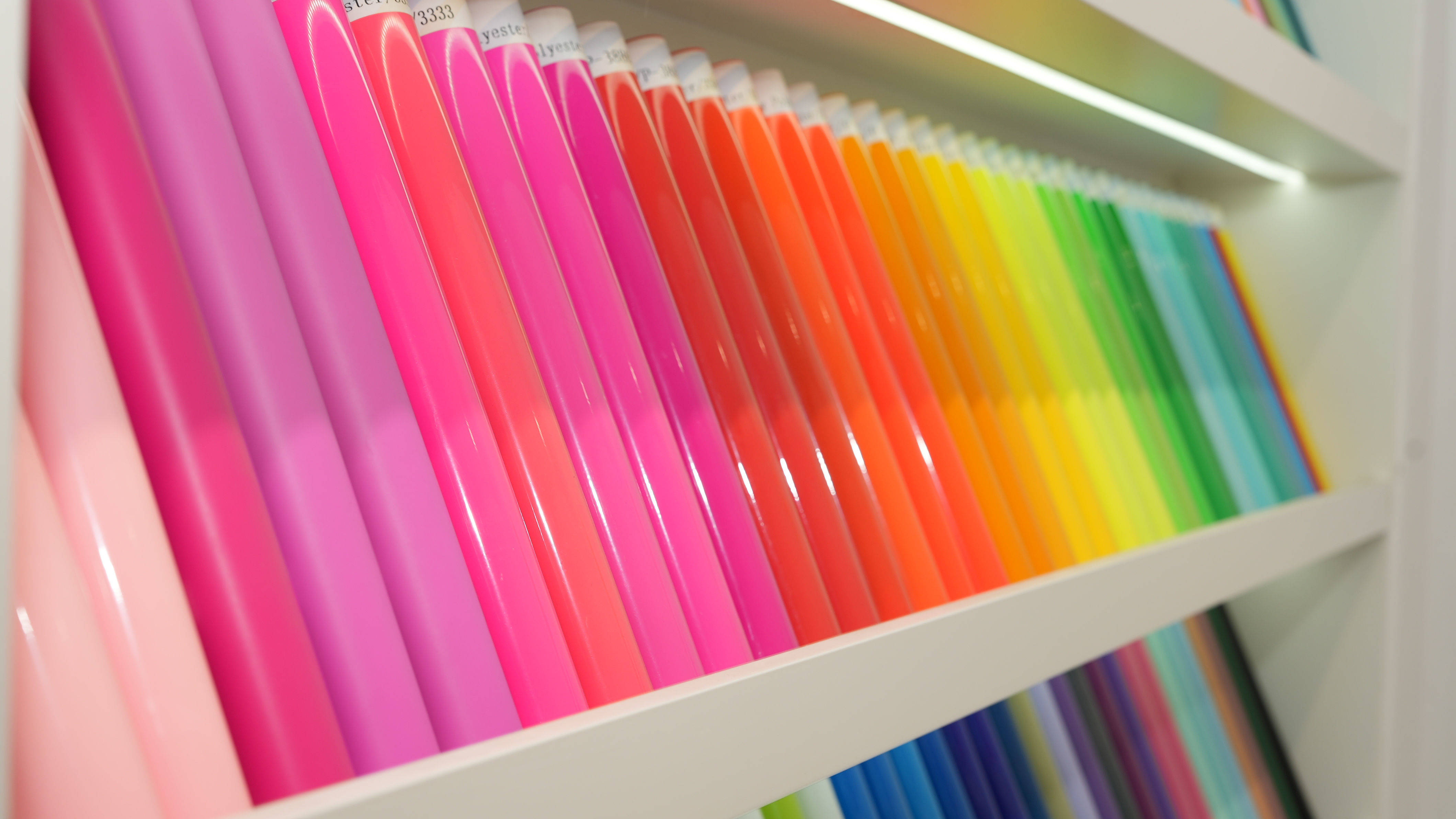
● Variety of Finishes: Available in various textures, such as matte, glossy, and textured finishes. Offers high customization.
● Cost-Effective in Bulk: Suitable for high-volume production due to lower material waste and quicker curing times.
Disadvantages of Powder Coating:
● Limited Color Variety: Fewer color options compared to liquid coatings. Some custom colors can be expensive or difficult to match.
● Complex Shapes: Difficult to coat items with intricate or complex geometries, as the powder may not reach all areas uniformly.
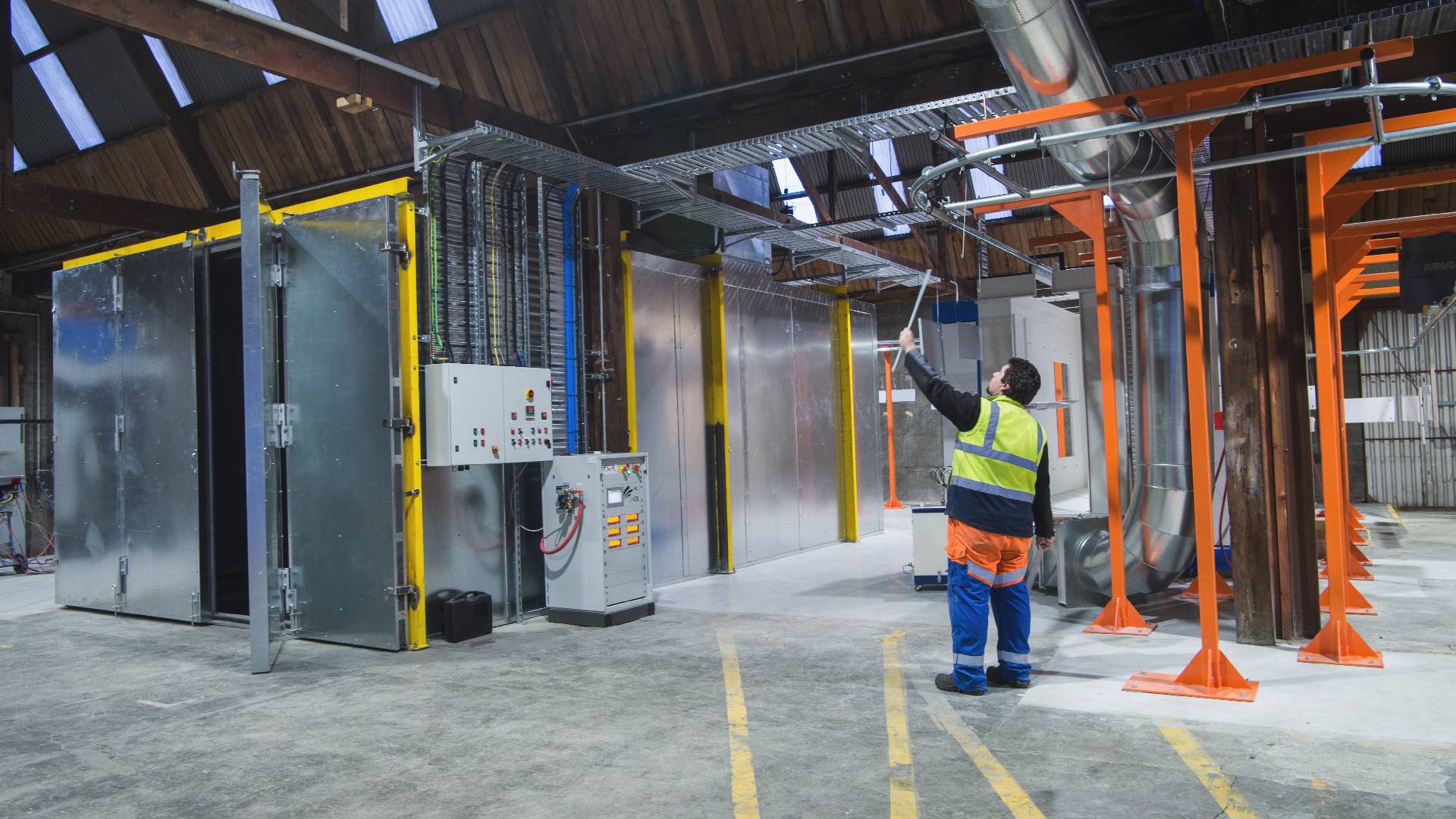
● Requires Specialized Equipment: Powder coating requires a curing oven, which can increase the initial setup cost for small businesses or those with limited production needs.
Liquid Coating
Liquid coating is a traditional method where a liquid paint or coating is applied to a surface. This can be done by spraying, dipping, or brushing. After application, the coating is either air-dried or cured under heat, depending on the specific type of coating.
Advantages of Liquid Coating:
● Versatility: Suitable for a wide variety of materials and shapes, including complex or irregular objects that are hard to coat with powder.
● Broader Color Selection: Liquid coatings offer a wider range of colors and finishes, allowing for greater flexibility in design.
● Ease of Touch-ups: Any errors or damage to the coating can be more easily fixed, making it an excellent choice for applications where repairs are frequent.
● Lower Initial Investment: Liquid coating systems are generally more affordable and require less specialized equipment compared to powder coating systems.
Disadvantages of Liquid Coating:
● Durability: Typically less durable than powder coating. Liquid coatings can be more prone to scratches, chipping, and fading over time.
● Environmental Concerns: Liquid coatings often contain solvents and VOCs, making them less environmentally friendly than powder coatings.
● Efficiency: Liquid coatings tend to have lower transfer efficiency, meaning more material is wasted compared to powder coatings.
● Longer Curing Times: Liquid coatings generally require longer drying or curing times, which can slow down production rates.
| Feature | Powder Coating | Liquid Coating |
| Durability | High: Resistant to chipping, scratching, fading | Moderate: Can be prone to chipping and fading |
| Environmental Impact | Environmentally friendly, no solvents or VOCs | Contains solvents, higher VOCs |
| Color Options | Limited but growing options | Extensive range of colors and finishes |
| Cost | Higher initial setup cost, but cost-effective in bulk | Lower setup cost, but higher material waste |
| Efficiency | High transfer efficiency, minimal overspray | Lower transfer efficiency, more overspray |
| Application | Best for high-volume production and simple shapes | Ideal for complex or irregular shapes |
| Curing Time | Faster curing in an oven | Longer drying or curing time, depending on the coating |
FAQs
1. Can I use powder coating on wood or plastic?
Powder coating is primarily designed for use on metal surfaces. While some plastics can be powder coated, it requires specific types of plastic that can withstand high temperatures. Powder coating is generally not recommended for wood surfaces.
2. How does the durability of powder coating compare to liquid coating?
Powder coating is more durable and resistant to damage. It is less likely to chip, scratch, or fade when exposed to harsh conditions, making it ideal for outdoor and industrial applications. Liquid coatings, while offering a wide variety of finishes, are typically less durable.
3. What are the environmental benefits of powder coating?
Powder coating is a more environmentally friendly option because it contains no solvents and emits no VOCs. This results in a safer workplace and a reduced environmental footprint. Liquid coatings, on the other hand, often contain VOCs that contribute to air pollution.
4. Which coating is better for intricate designs?
Liquid coatings are better suited for intricate or highly detailed objects, as they can be applied easily to complex geometries. Powder coating may struggle to reach all areas of such shapes evenly.
5. Is powder coating suitable for outdoor products?
Yes, powder coating is an excellent choice for outdoor products due to its superior corrosion resistance. It provides a protective layer that helps shield the surface from rust, moisture, and UV damage.
Conclusion
Both powder coating and liquid coating offer distinct advantages, and the best choice for your business will depend on several factors, including the materials being coated, the required finish, production volume, and environmental concerns. If durability and environmental impact are top priorities, powder coating may be the better choice. However, if flexibility in color options and the ability to coat intricate designs are more important, liquid coating might be a more suitable option. Ultimately, evaluating your specific needs and consulting with an expert in coating technologies will help ensure you make the most informed decision for your business.