




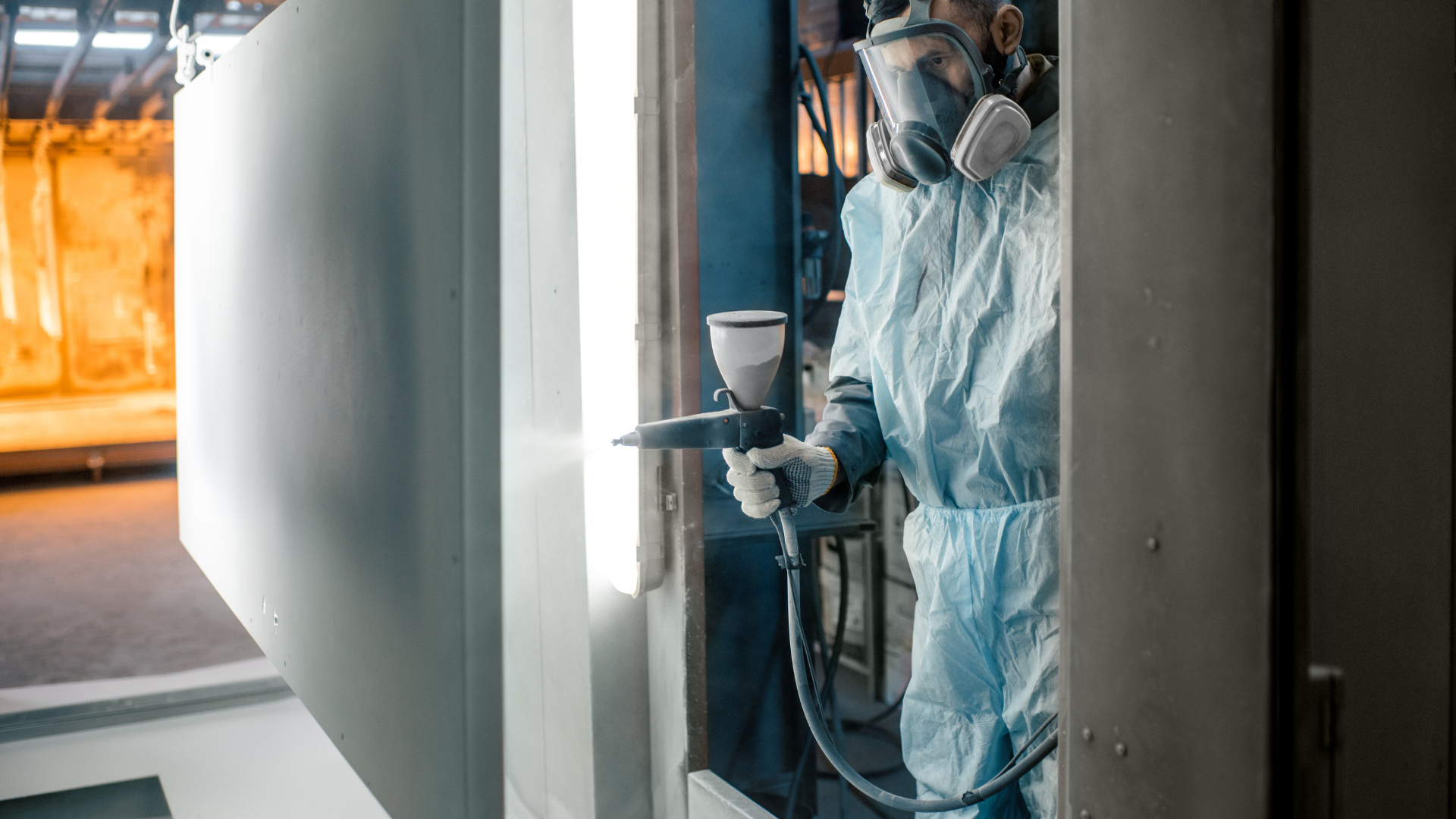
How Powder Coating is Revolutionizing Automotive and Aerospace Finishes
Powder Coating has increasingly become a transformative technology in both the automotive and aerospace industries. It offers an efficient, durable, and environmentally friendly finishing solution compared to traditional liquid paints. Known for its superior resistance to corrosion, scratches, and extreme temperatures, powder coating meets the stringent quality and durability standards of these industries, making it a preferred finishing choice for critical applications.
Benefits of Powder Coating in Automotive and Aerospace Industries
1. Enhanced Durability and Corrosion Resistance
Powder coatings are formulated to withstand extreme environmental conditions. In automotive applications, this durability is crucial for parts exposed to weather, road salts, and chemicals. In aerospace, where components endure high altitudes and varied temperatures, powder-coated surfaces help reduce wear and tear, extending the lifespan of parts.
| Benefit | Automotive | Aerospace |
| Corrosion Resistance | Protects against weather, salt, and chemicals | Resists high altitudes, extreme temperatures |
| Durability | Reduces wear for longer part life | Increases reliability for critical components |
2. Environmentally Friendly Application
Powder coating contains no solvents and releases negligible volatile organic compounds (VOCs) compared to liquid paints. This eco-friendly aspect benefits companies looking to meet environmental regulations while improving workplace safety.
3. Cost-Efficiency
In industries where cost control is essential, powder coating minimizes waste as unused powder can be collected and reused. Additionally, the curing time is shorter, reducing production downtime and labor costs.
4. Aesthetic and Functional Versatility
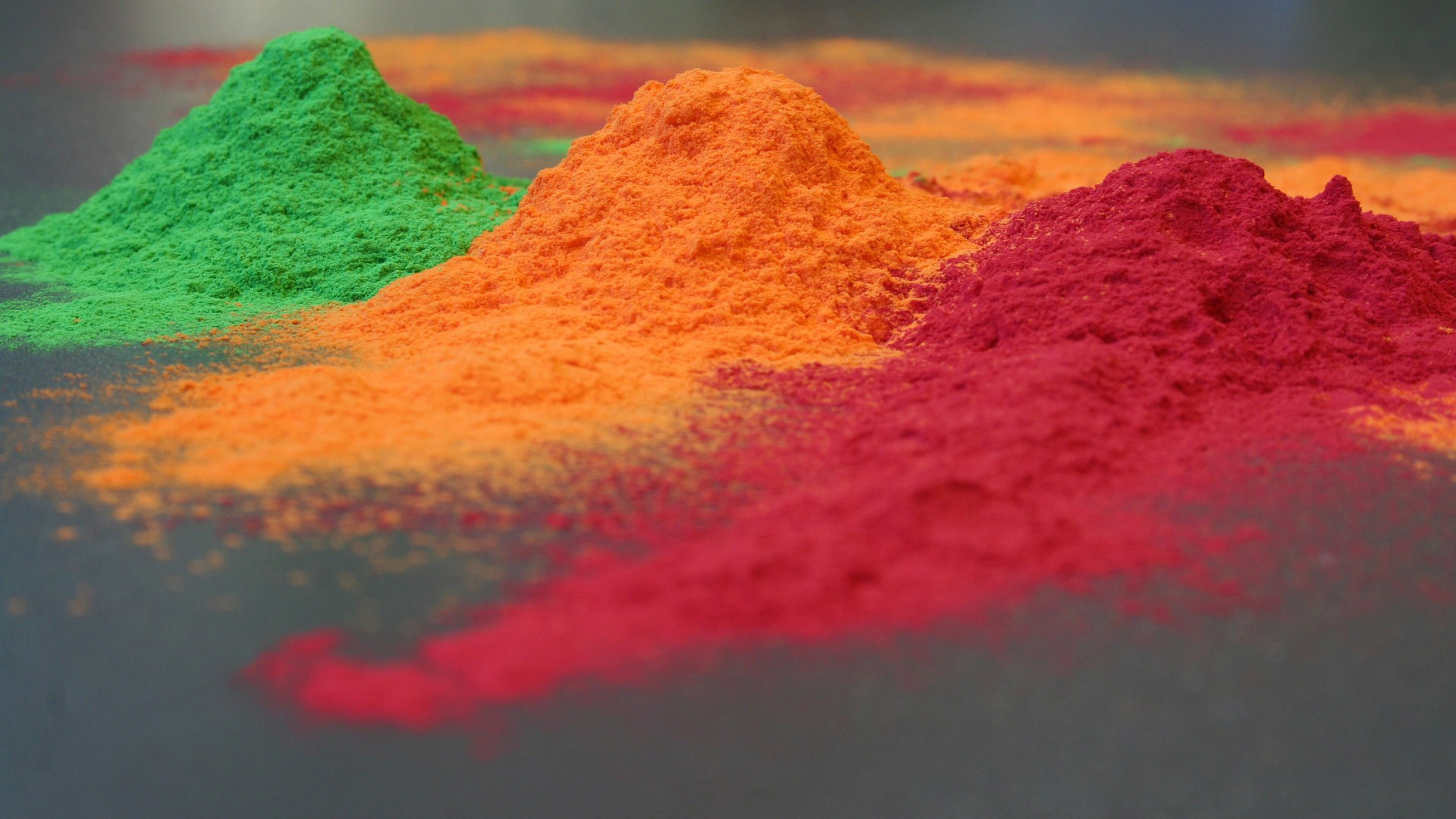
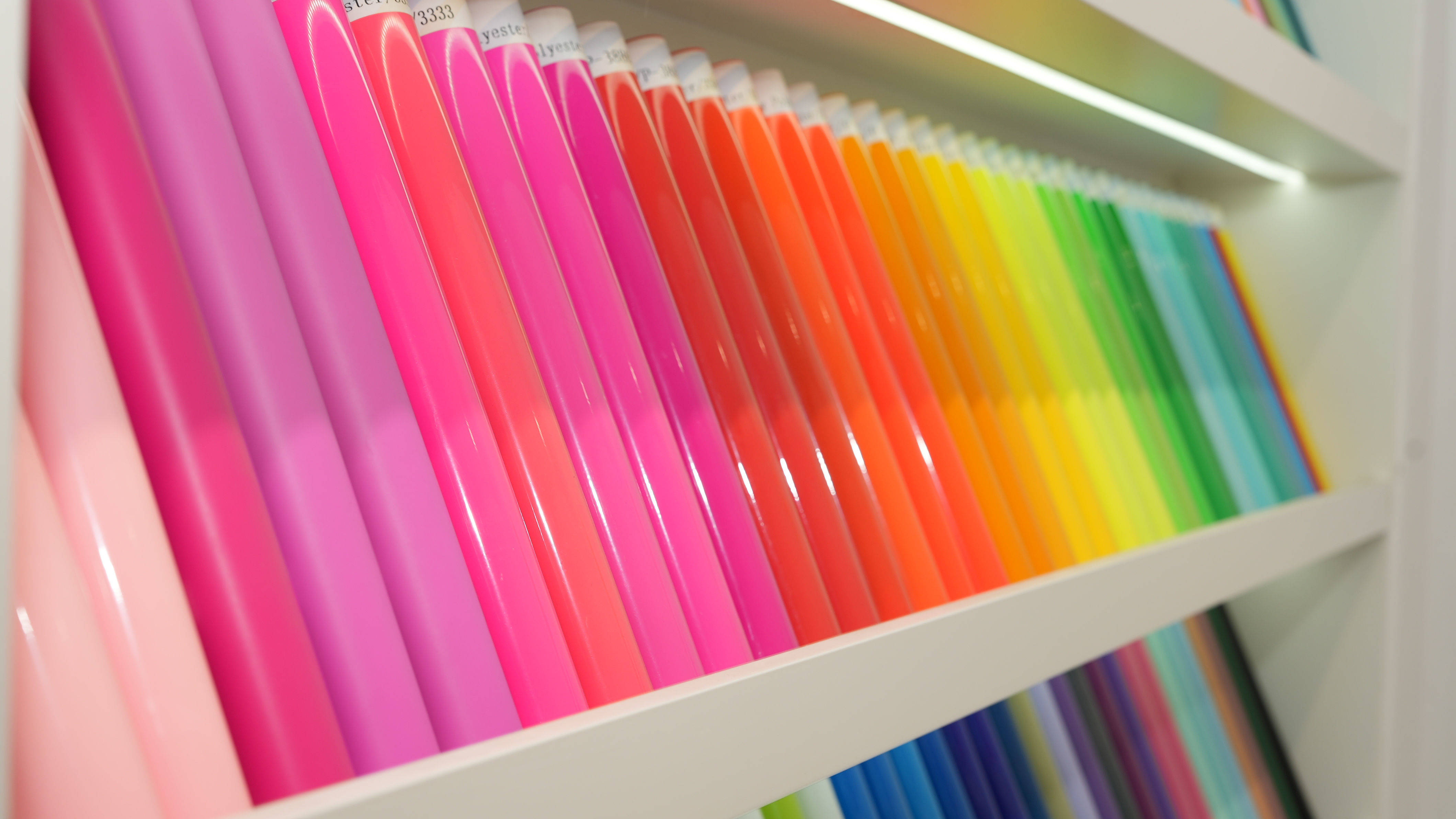
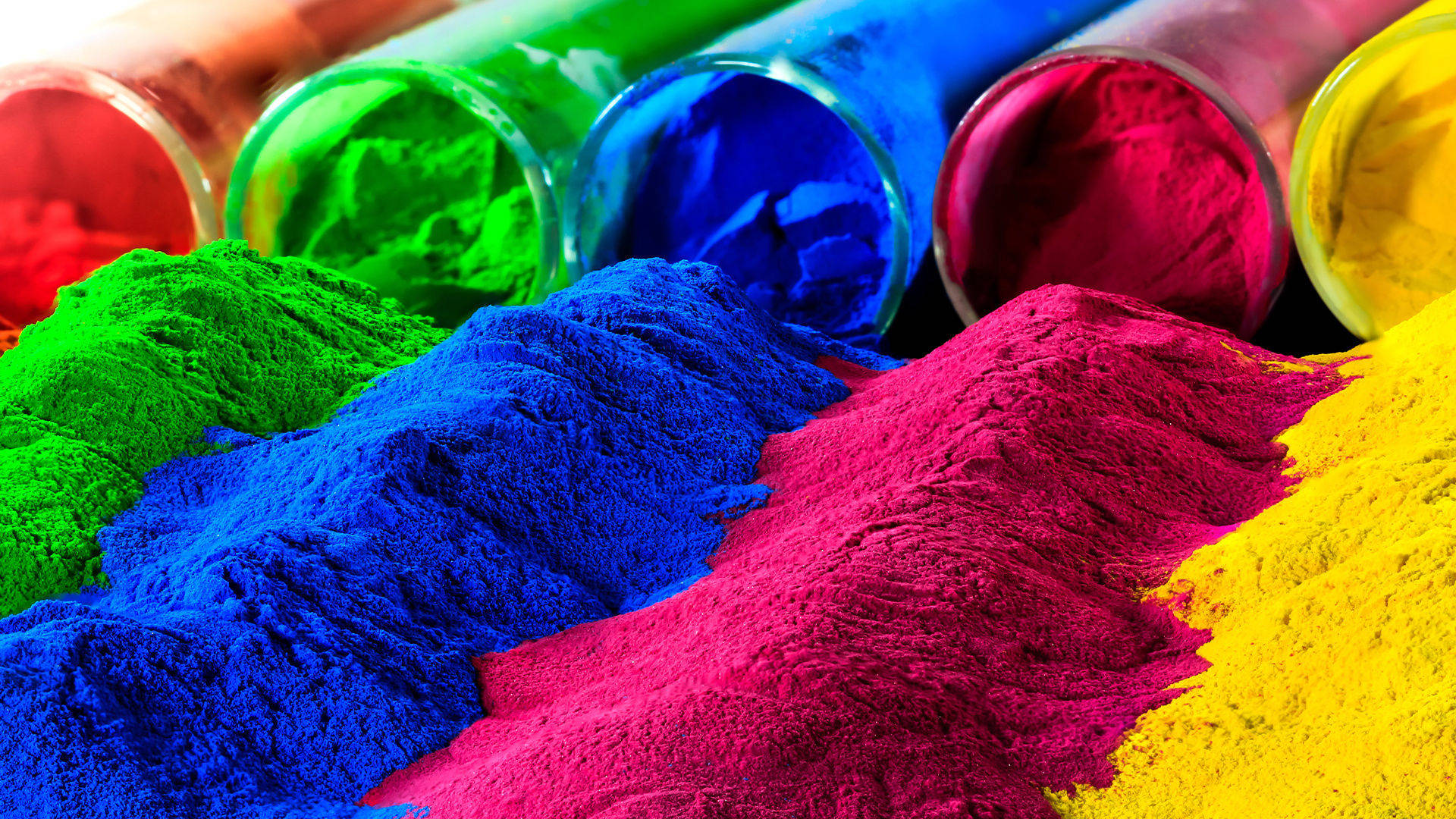
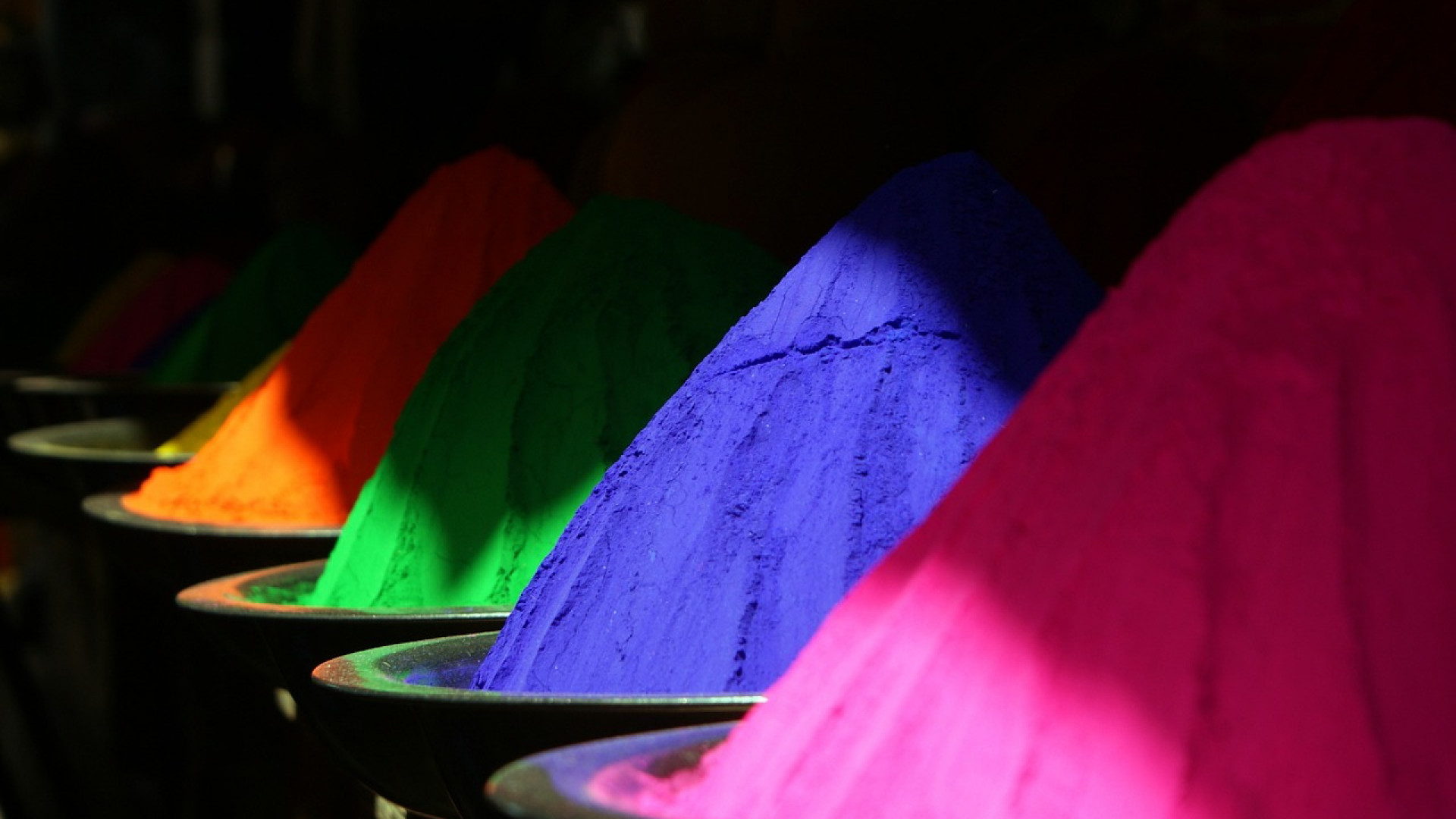
Powder coatings provide a smooth, attractive finish that enhances the aesthetic appeal of vehicles and aircraft. Available in various colors and textures, they can also be applied in a way that adds functional properties, such as heat resistance or electrostatic discharge protection.
Applications of Powder Coating in Automotive and Aerospace
1. Automotive: Commonly used for wheels, engine parts, frames, and even entire body panels, powder coating enhances durability without compromising aesthetics.
2. Aerospace: Powder coating is used for landing gear, fuselage components, and cockpit frames, ensuring longevity and resilience.
Key Advantages Over Traditional Liquid Paints
| Feature | Powder Coating | Liquid Paint |
| VOC Emissions | Low | Higher, can harm the environment |
| Durability | High, scratch-resistant | Moderate, prone to chipping |
| Reusability | Excess powder can be reused | Limited reusability |
| Curing Time | Fast, efficient | Longer, adds production time |
FAQs
1. How is powder coating applied?
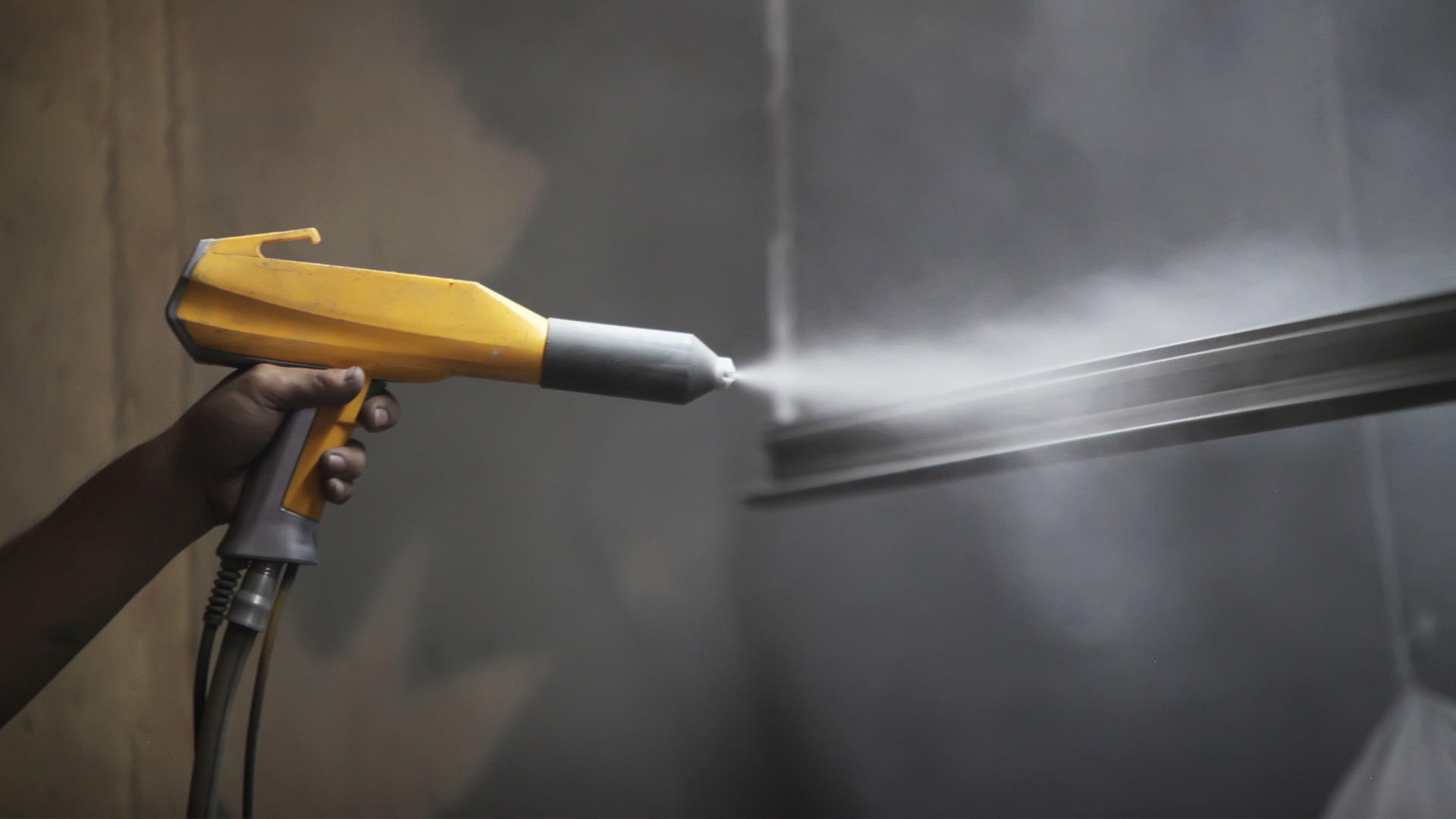
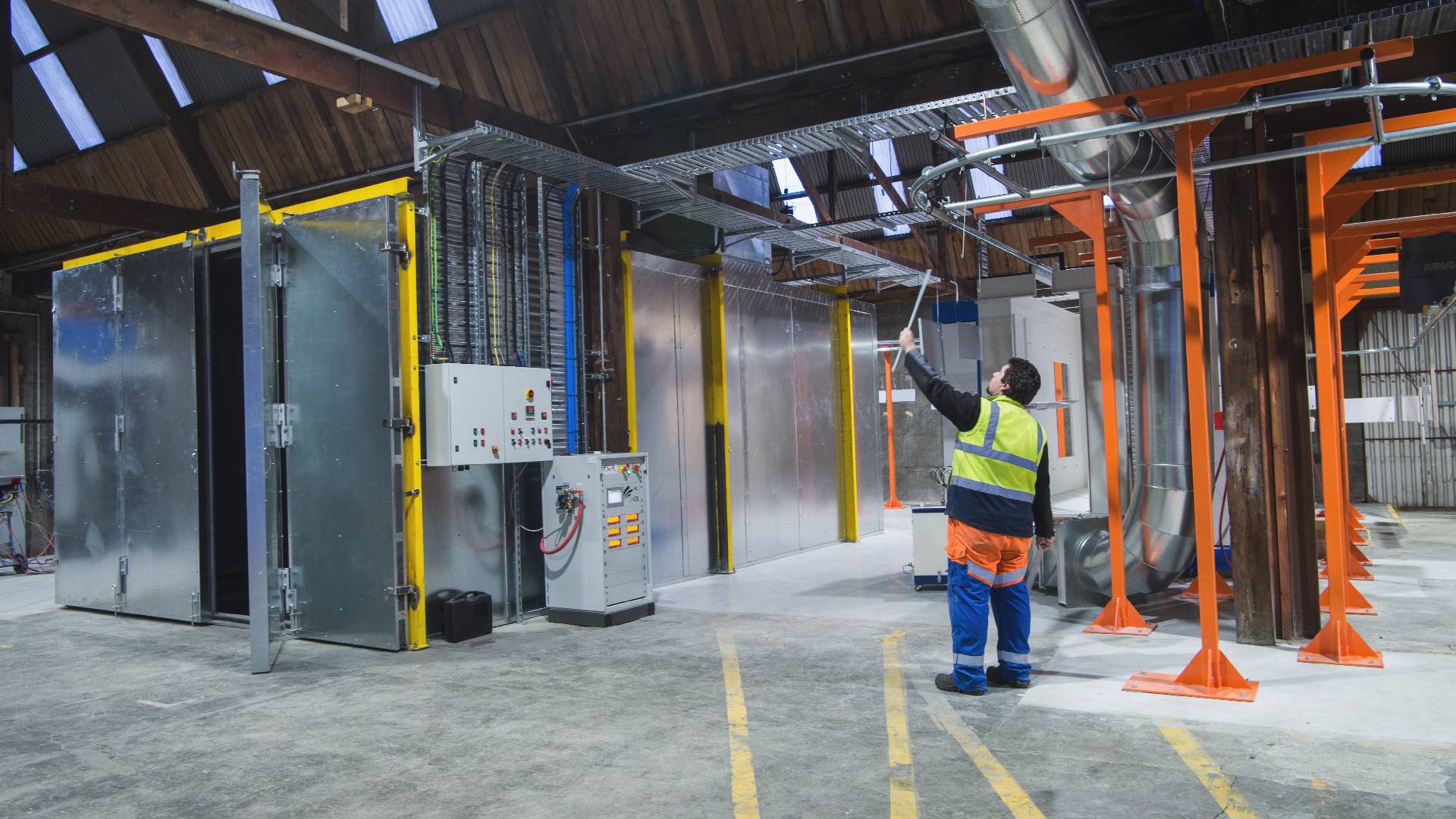
Powder coating is applied by electrostatically charging powder particles and spraying them onto a grounded surface. The coated part is then cured in an oven, bonding the powder to the surface.
2. What makes powder coating better than paint?
Powder coating offers greater durability, is eco-friendly, and has a faster curing process. It also produces a thicker, more uniform finish that resists chipping and corrosion.
3. Is powder coating suitable for all automotive and aerospace parts?
While powder coating is highly versatile, it’s most effective for metal parts due to the high-temperature curing process.
4. Does powder coating affect part weight?
Powder coating is a lightweight option that adds minimal weight, which is particularly beneficial in aerospace applications where weight is a critical factor.
5. How long does powder coating last on automotive and aerospace parts?
Powder coating can last up to 20 years, depending on environmental exposure and maintenance.
Powder coating continues to set new standards in quality and sustainability, providing industries with a reliable, cost-effective, and eco-friendly solution for protective and aesthetic finishes.