Why Choose Epoxy Powder for Your Coating Needs?
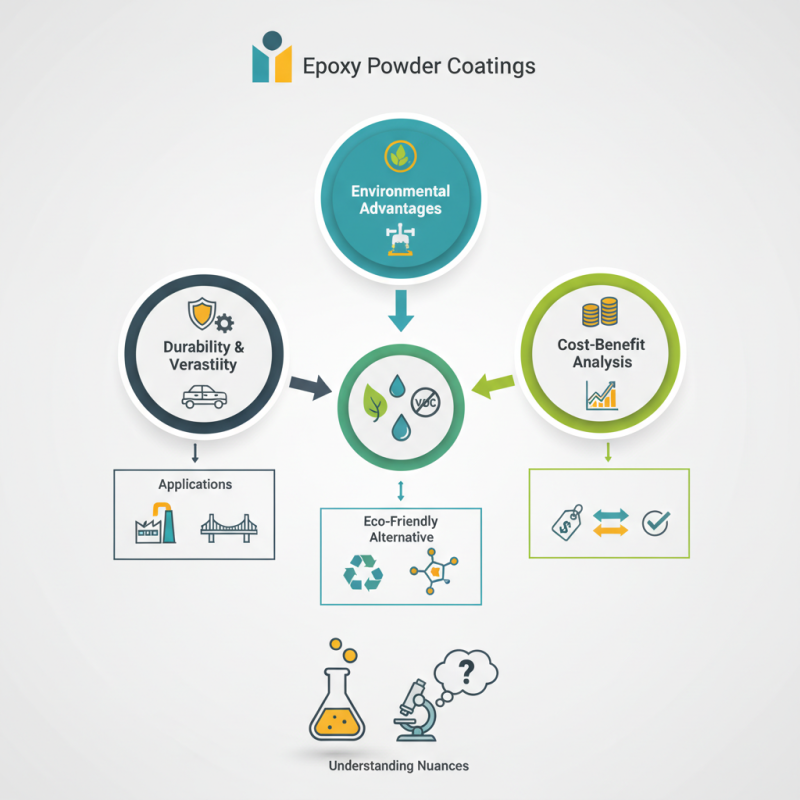
Epoxy Powder has become a popular choice for industrial coatings. Led by experts in the field, like Dr. Jane Holloway, the advantages are clear. "Epoxy Powder offers unmatched durability and versatility for various applications," she states. This highlights why many industries are turning to this innovative solution.
One notable benefit of Epoxy Powder is its resilience against harsh environments. Many industries, from automotive to construction, experience wear and tear. For example, flooring in manufacturing plants needs strong protection. Epoxy Powder provides a robust layer that withstands heavy traffic and chemicals. However, not all formulations are the same. Some may not cure correctly, leading to potential issues.
Moreover, the environmental impact of coatings matters today. Some applications involve traditional paints that release harmful VOCs. In contrast, Epoxy Powder is a smarter, eco-friendly alternative. Yet, the shift to this option requires consideration of initial costs versus long-term benefits. Users must weigh these factors carefully when making a choice. In the end, Epoxy Powder stands out, but understanding its nuances is crucial for the best results.
Advantages of Epoxy Powder Coating Over Traditional Coatings
Epoxy powder coatings are increasingly favored for their durability and versatility. According to industry reports, these coatings offer superior performance compared to traditional liquid paints. Epoxy powder can withstand harsh environmental conditions, making them ideal for both indoor and outdoor applications. The harder surface film results in a much lower rate of wear and tear, critical for industrial settings.
One notable benefit is their resistance to chemicals. A study published by the Coating Institute highlights that epoxy powder coatings resist solvents and oils much better than conventional coatings. This feature is especially advantageous in areas prone to spills and exposure to harmful substances. Additionally, they emit minimal volatile organic compounds (VOCs), contributing to better air quality.
Despite these advantages, applying epoxy powder can be tricky. Precise control of application techniques is vital. Any inconsistency can lead to uneven surfaces or mismatched colors, posing a challenge for those unfamiliar with the process. Yet, when executed correctly, the results can dramatically enhance the aesthetic and protective qualities of surfaces, fulfilling both functional and visual needs.
Advantages of Epoxy Powder Coating Over Traditional Coatings
Key Applications and Industries for Epoxy Powder Coatings
Epoxy powder coatings are gaining traction across various industries due to their durability and resistance to corrosion. According to recent industry reports, the global epoxy powder coating market is projected to reach USD 3.4 billion by 2025, reflecting a compound annual growth rate of 6.4%. These coatings are popular in the automotive and appliance sectors because they provide excellent adhesion and long-lasting protection.
In the automotive industry, epoxy powder coatings are used for both exterior and interior components. They resist scratches and provide an attractive finish. In household appliances, they protect against everyday wear and tear. The ability to withstand extreme temperatures makes them ideal for industries demanding high performance. Tips: When selecting an epoxy powder coating, consider your specific environmental conditions. Temperature and humidity can affect application and curing times.
Another vital application is in the architectural sector. Epoxy powder coatings are used on metal surfaces like railings and gates. They offer aesthetic appeal and a protective layer against the elements. However, not all epoxy powders are created equal. Data suggests some formulations may contain volatile organic compounds (VOCs). This can lead to environmental concerns. Tips: Opt for low-VOC or environmentally friendly options when possible. It’s beneficial for both you and the planet.
Durability and Resistance Properties of Epoxy Powder Coatings
Epoxy powder coatings stand out due to their impressive durability and resistance properties. According to a report by the British Coatings Federation, epoxy powders offer superior chemical resistance, making them suitable for harsh environments. They resist corrosion, humidity, and extreme temperatures effectively, often outperforming traditional liquid coatings.
The hardness of epoxy powder contributes to its long-lasting performance. Studies have shown that epoxy coatings can have a tensile strength of up to 10,000 psi. This means they can withstand significant stress without cracking or peeling. Their adhesion to various substrates also ensures a durable finish. However, this strength can come at a cost; applying these coatings requires precision to avoid defects, and improper techniques can lead to unsatisfactory results.
Moreover, while epoxy coatings excel in many areas, they do have limitations. They can be susceptible to UV damage over time. In environments with constant sunlight exposure, this can lead to color fading and surface degradation. Many users must consider this factor before making their choice. This reflection emphasizes the need for proper application and maintenance practices to ensure the longevity of epoxy coatings.
Why Choose Epoxy Powder for Your Coating Needs? - Durability and Resistance Properties of Epoxy Powder Coatings
| Property |
Description |
Advantages |
| Durability |
High resistance to wear, abrasion, and impacts. |
Long-lasting performance and reduced maintenance costs. |
| Corrosion Resistance |
Excellent resistance to moisture and chemicals. |
Protection against rust and degradation, prolonging the lifespan of surfaces. |
| UV Resistance |
Resists color fading and degradation caused by sunlight exposure. |
Maintains aesthetic appeal in outdoor applications. |
| Chemical Resistance |
Effective barrier against a variety of solvents and acids. |
Suitable for industrial environments with harsh conditions. |
| Ease of Application |
Can be applied with various methods including electrostatic spray. |
Efficiency in application and ability to achieve a smooth finish. |
| Aesthetic Versatility |
Available in a wide range of colors and finishes. |
Enhances the visual appeal of surfaces. |
Environmental Benefits of Using Epoxy Powder Coatings
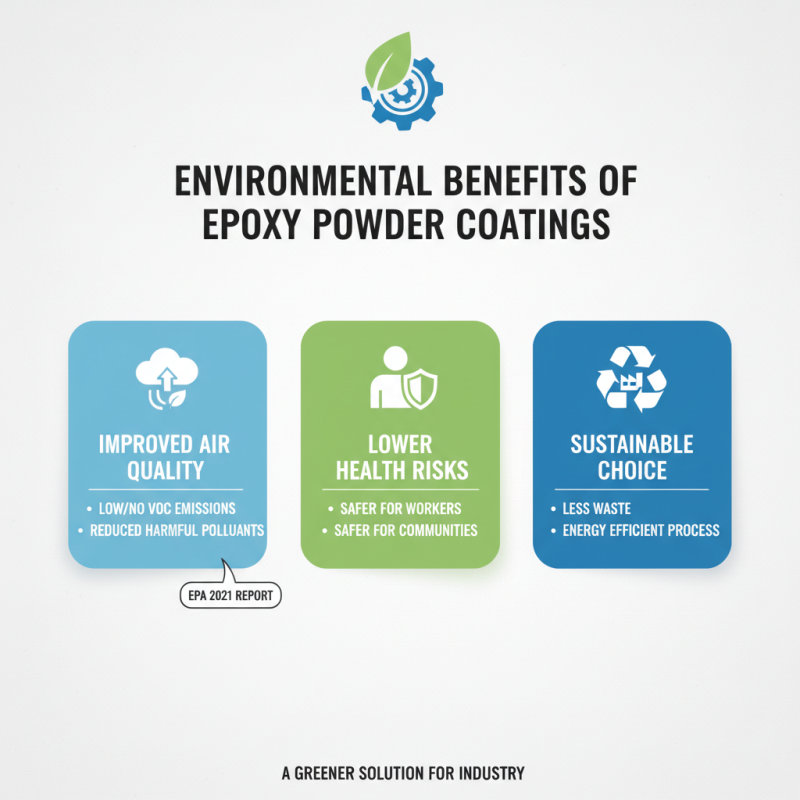
Epoxy powder coatings present significant environmental benefits, making them a sustainable choice in various industries. A 2021 report by the Environmental Protection Agency (EPA) highlights that epoxy powders release minimal volatile organic compounds (VOCs) during application. This reduction in VOCs leads to improved air quality and lower health risks for workers and nearby communities.
Additionally, epoxy powders are highly durable, requiring fewer frequent reapplications. A study from the American Coatings Association indicates that these coatings can last up to twice as long as traditional liquid paints. This longevity not only reduces waste but also conserves resources by minimizing the need for additional materials and labor over time. Choosing epoxy powder coatings aligns with the growing trend towards sustainability, helping industries meet stricter environmental regulations.
The recyclability of epoxy powder is another noteworthy aspect. Unlike many conventional coatings that end up in landfills, epoxy powders can be reclaimed and reused. Industry data shows that up to 90% of excess powder can be recycled. This approach not only lowers waste but also conserves raw materials. While there are challenges in transitioning to powdered coatings, the potential environmental benefits make them a compelling choice for future developments in manufacturing and construction.
Application Process and Techniques for Epoxy Powder Coating
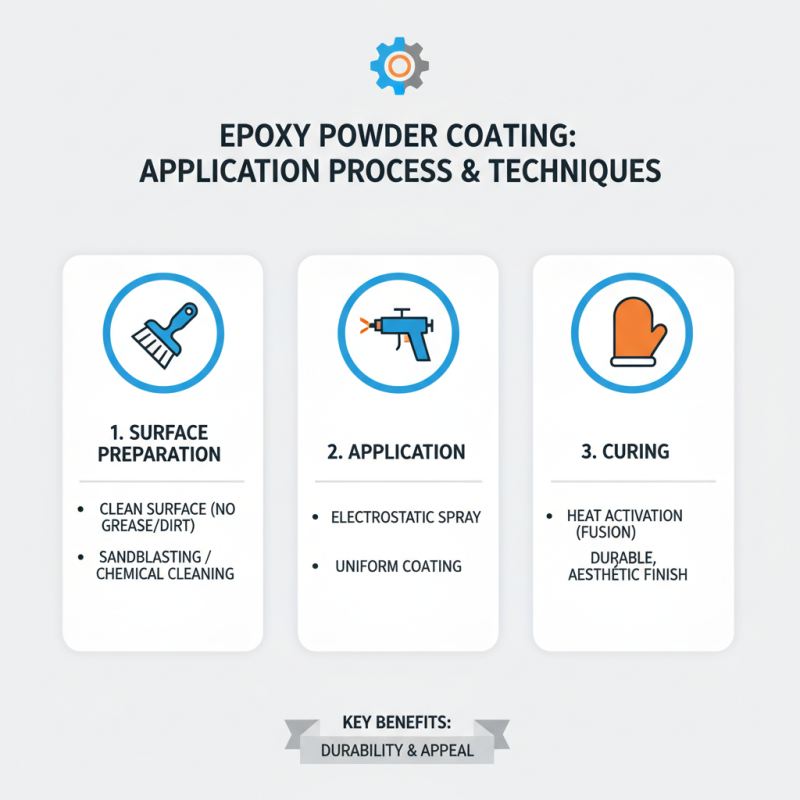
Epoxy powder coating has become a popular choice due to its durability and aesthetic appeal. The application process is crucial for achieving optimal results. Preparation is essential; surfaces must be clean and free of contaminants. Any grease or dirt can lead to poor adhesion and a subpar finish. Sandblasting or using a chemical cleaner can help ensure surfaces are adequately prepared.
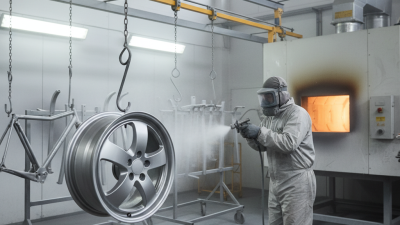
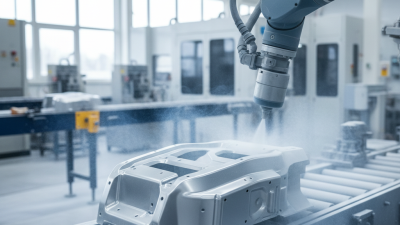
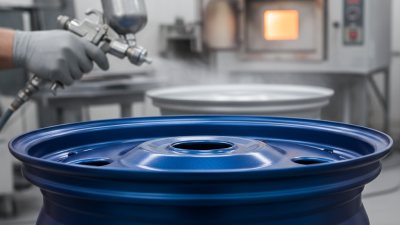
Once the surface is ready, the application of epoxy powder follows. This can be done using electrostatic spray equipment. The charged powder particles cling to the grounded surface, ensuring an even coat. However, achieving the right thickness can be tricky. Too thin a coat may lead to chipping, while too thick can cause sagging. Practice and skill in adjusting the spray settings are key to mastering this technique.
Curing is the next step. This process requires heating the coated item in an oven, allowing the powder to melt and form a hard, durable layer. Monitor the temperature and timing closely. Overheating can lead to discoloration, while insufficient curing can impair the coating's integrity. With careful attention to these details, epoxy powder coating can deliver outstanding results, making it a reliable option for various applications.