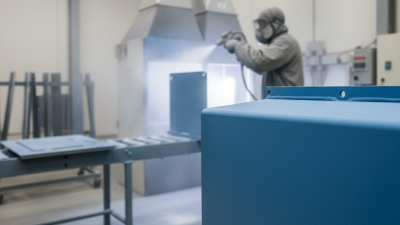

Plastic Powder Coating offers a unique way to achieve durable finishes for various surfaces. This process involves applying a fine powder to items, which are then cured under heat to create a tough exterior. What makes this technique appealing is its resistance to corrosion, chipping, and fading, making it suitable for both industrial and consumer products.
Using Plastic Powder Coating requires specific equipment and knowledge. One must ensure the surface is clean, free from dust and grease. The powder must be applied evenly to avoid inconsistencies. It's not unusual for beginners to encounter issues like uneven coating. Each project can teach valuable lessons about precision and technique.
Experimenting with different colors and textures can open new avenues for creativity. However, it’s essential to keep in mind the importance of safety and ventilation during the process. Mistakes can happen, but they also lead to growth and improvement. Learning how to perfect Plastic Powder Coating takes time and patience.
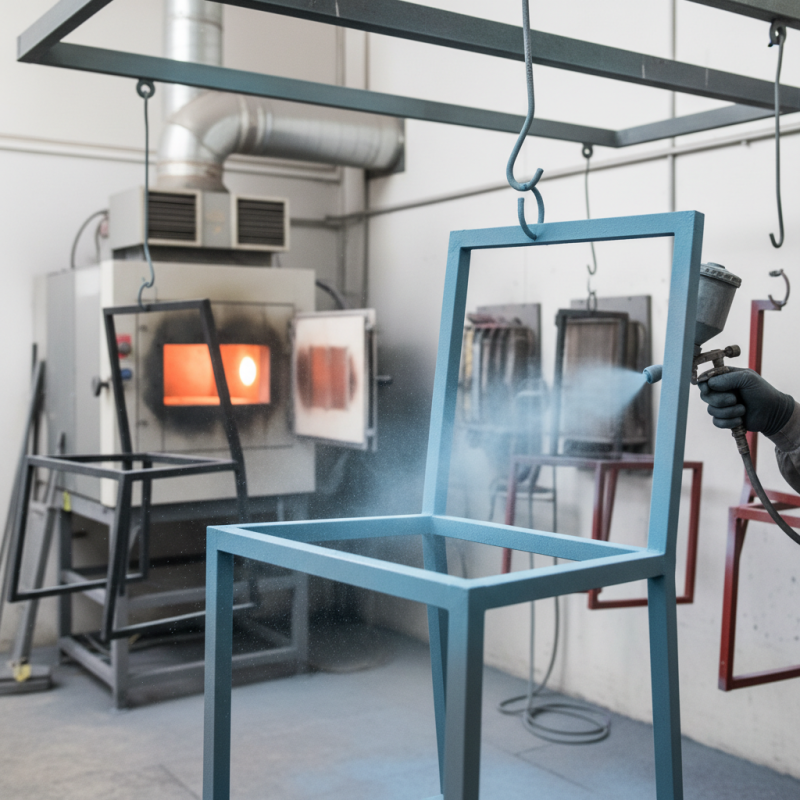
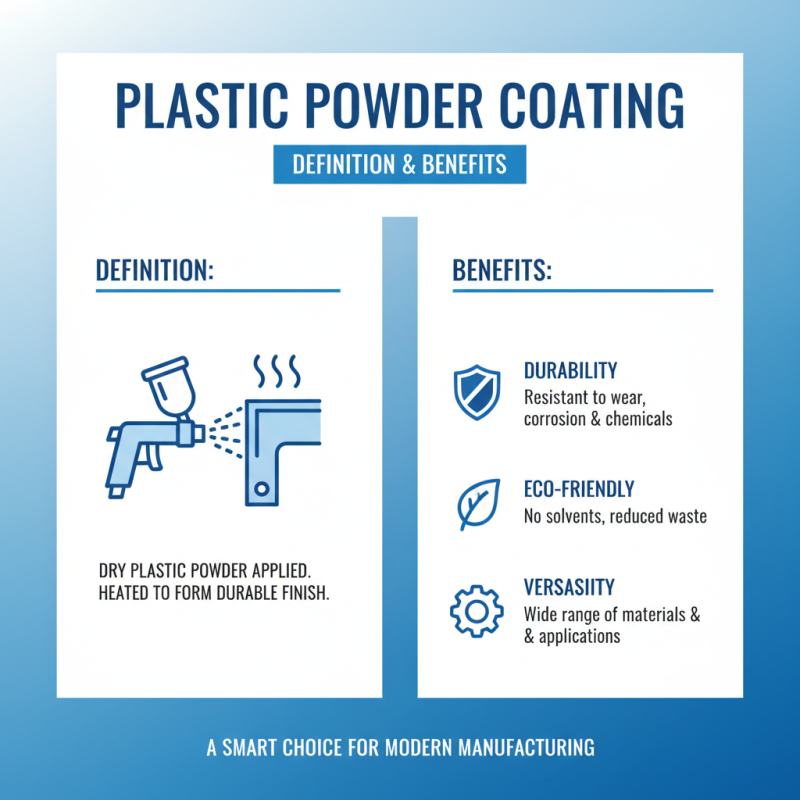
Plastic powder coating is gaining traction in various industries. This technique involves applying a dry powder coating that is then heated to form a durable finish. With a unique application process, plastic powder coating offers several benefits that make it an enticing option for manufacturers.
One key advantage is its resistance to chemicals and impact damage. According to industry reports, products coated with this method have shown a 40% increase in durability compared to traditional liquid coatings. Additionally, the thickness of the powder layer can be controlled, allowing for a more customized finish. The finish can withstand harsh weather conditions, making it suitable for outdoor applications.
Moreover, the environmental impact of plastic powder coating is often cited for its lower volatile organic compounds (VOCs). Research shows that it can reduce VOC emissions by up to 90%, which is beneficial for air quality. While there are challenges in achieving uniform coating thickness, the overall advantages make plastic powder coating an appealing choice for long-lasting finishes.
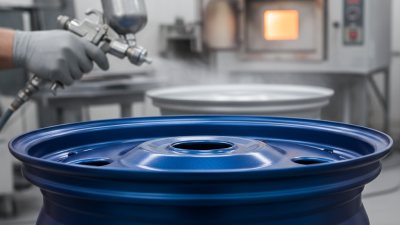
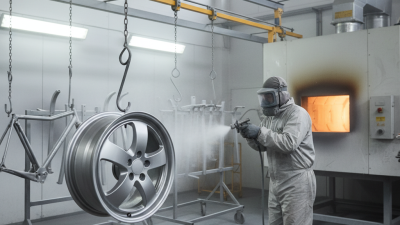
Plastic powder coating is an effective way to achieve durable finishes, but essential equipment is crucial for a successful process. A quality spray gun is at the heart of this operation. It ensures an even application of powder on the surface. Choosing a gun that can handle various types of powders is beneficial. A model that accommodates fine powders and thick coatings can save time and effort.
Another key piece of equipment is the curing oven. This oven heats the coated items to the required temperature, allowing the powder to melt and bond. It's important to monitor the temperature carefully. Overheating can lead to a poor finish. Not all items fit well in standard ovens, so planning space is vital.
Some might overlook dust collection systems, which are equally important. These systems capture excess powder for reuse, minimizing waste and keeping the workspace clean.
Investing in quality equipment may seem daunting initially. However, cheaper options can lead to unforeseen challenges. Equipment failures or inconsistent finishes can occur with low-quality tools. It's crucial to reflect on what works best for your specific needs. Not every piece of equipment will meet expectations, so careful choices and adjustments play a significant role in improving results.
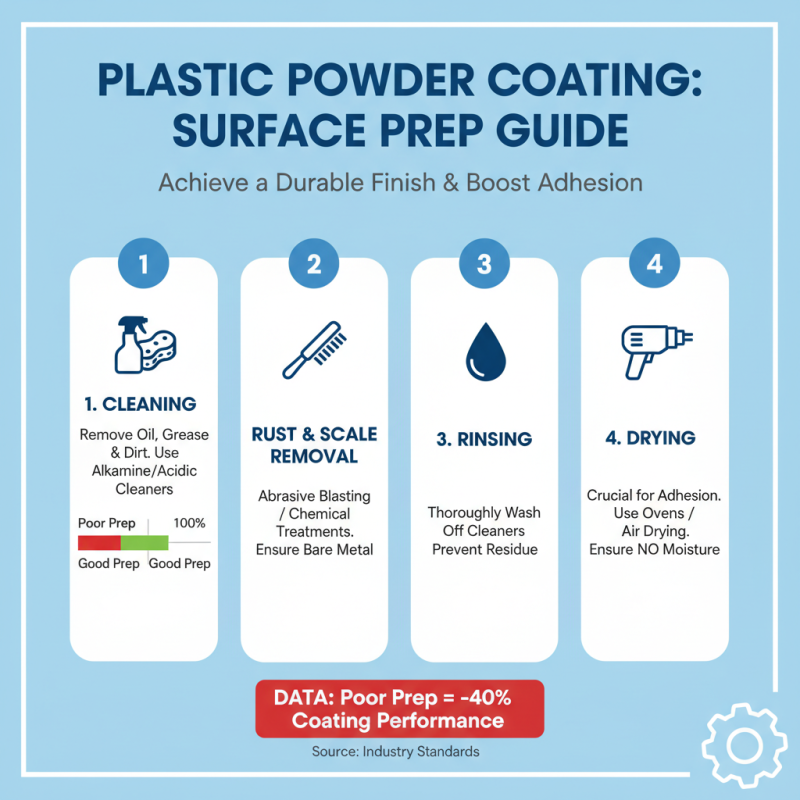
Preparing surfaces for plastic powder coating is crucial for achieving a durable finish. A clean surface enhances adhesion, extending the life of the coating. Data shows that poor surface preparation can reduce coating performance by up to 40%. Proper cleaning methods must be employed to remove contaminants such as oil, rust, and dust. Many professionals recommend using alkaline or acidic cleaners for effective surface preparation, ensuring the substrate is free from foreign materials.
Another important step is abrasive blasting. This method creates a rough surface profile, improving the coating's mechanical bond. According to industry studies, a properly blasted surface can increase adhesion by more than 60%. However, not all materials respond well to blasting; some may require alternative methods. Testing various techniques may lead to better results. Overlooking surface imperfections can lead to failures, necessitating further refinishing efforts.
Finally, preheating the substrate before application can enhance powder flow and improve adhesion. Monitoring temperature is vital, as excessive heat can cause damage. Some professionals find it challenging to maintain consistency, which can affect overall coating quality. Testing different parameters may yield better finishes. Attention to detail during surface preparation cannot be overstated; it can make or break the durability of your coating.
Plastic powder coating is gaining traction for its durability and versatility. Proper application techniques are crucial to achieve a lasting finish. One common method involves electrostatic spraying. This technique creates an even coating by charging the powder particles, attracting them to the grounded substrate. Research indicates that parts coated in this manner demonstrate a 30% increase in durability compared to conventional liquid paints.
Another effective technique is to ensure a clean surface. Surface preparation can make or break the coating's adherence. According to industry standards, if the substrate is not properly cleaned, it may lead to defects. Brush or wipe away any dust and oils prior to applying the coating. Even with careful preparation, some imperfections may still emerge, reminding us to continuously evaluate our processes.
Lastly, controlling the curing environment can significantly affect the final quality. Data shows that a 10°F increase in curing temperature can improve adhesion by 20%. However, consistency is key. Variability in temperature may lead to inconsistent finishes. It's crucial to monitor conditions closely, yet even the best professionals can overlook details from time to time. Embracing these challenges can lead to improvements in future applications.
| Technique | Description | Best Practices |
|---|---|---|
| Electrostatic Spray | Uses an electrostatic charge to apply powder to a surface, allowing even coverage. | Ensure proper grounding of the workpiece to maximize charge attraction. |
| Fluidized Bed Coating | Involves submerging a heated object in a bed of powder, which adheres as it melts. | Maintain consistent powder temperature and fluidity for even coating. |
| Roller Coating | Transfers powder using rollers for high efficiency on flat surfaces. | Adjust roller speed to ensure uniform deposition across the surface. |
| Paint Gun Application | Uses a spray gun to apply powder, suitable for intricate designs. | Test spray pattern before starting to achieve optimal results. |
| Curing Process | Involves heating the coated object in an oven to safely melt and cure the powder. | Follow the manufacturer's guidelines for time and temperature for proper curing. |
Curing and finishing are vital steps in achieving a durable outcome with plastic powder coating. Proper curing transforms the powder into a tough, resilient surface. A consistent temperature is key. Inconsistent heating can lead to uneven finishes. You might notice imperfections if the powder doesn’t fully cure.
When applying the coating, ensure even distribution. Clumps of powder can result in rough spots. Try different techniques to find your preferred method. This experimentation may reveal unexpected results. It is essential to monitor the curing time. Over-curing can cause the finish to become brittle, while under-curing leads to soft surfaces.
Tip: Always test the process on a small piece first. This allows you to adjust settings without wasting materials. Also, double-check your equipment for cleanliness. Any contaminants can lead to defects. A clean environment is crucial for a flawless finish.