2026 How to Use Insulation Powder Coating for Optimal Protection?
In today's industrial landscape, Insulation Powder Coating has emerged as a crucial solution for protecting various surfaces. This innovative method offers more than just resistance to heat, cold, and moisture. It is essential for enhancing the longevity of materials used in manufacturing and construction.
Applying Insulation Powder Coating is not always straightforward. The process requires expertise and careful planning. Choosing the right materials can make a significant difference. It's not just about applying a coat; it’s about ensuring it adheres well and performs as expected. Mistakes can lead to failures and unnecessary costs.
Challenges exist in the application process. Variables like temperature, cleanliness, and surface texture can impact results. Even small lapses can lead to subpar performance. Understanding these nuances is vital. This guide aims to address those complexities, providing insights into using Insulation Powder Coating effectively for optimal protection in various environments.
Types of Insulation Powder Coatings Available on the Market
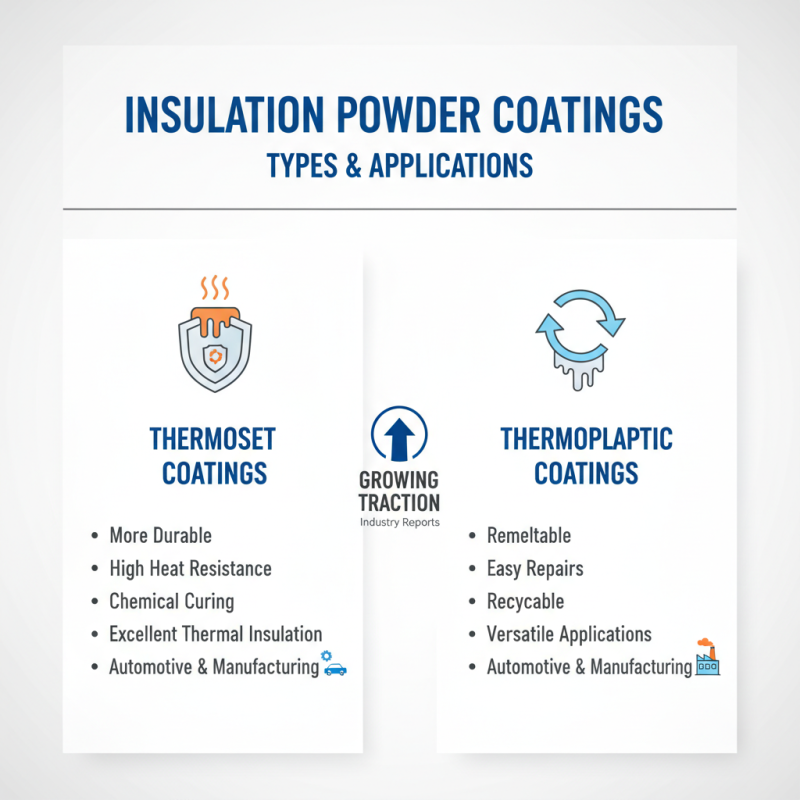
Insulation powder coatings come in various types, each serving unique purposes. Common varieties include thermoset and thermoplastic coatings. Thermoset coatings, often more durable, can withstand high temperatures. They cure through chemical processes and provide excellent thermal resistance. Thermoplastic powders can be remelted, allowing for easy repairs and recycling. According to recent industry reports, these types are gaining traction in sectors like automotive and manufacturing.
Different formulations exist within these categories. Some are designed for corrosion resistance, while others focus on thermal insulation. Industry data highlights that coatings with enhanced thermal properties can reduce energy loss by up to 30%. This shift reduces operating costs for businesses. However, not every coating achieves this performance. Discrepancies in application methods and substrate preparation can lead to inefficiencies.
The choice of coating can impact overall performance. Application methods vary, often leading to inconsistent finishes. Powder coating requires meticulous surface preparation. If not done correctly, it can result in peeling or flaking over time. Some coatings may not adhere well in humid environments. This raises questions about durability under specific conditions. Understanding these factors is crucial for optimal protection.
Key Benefits of Using Insulation Powder Coating for Protection
Insulation powder coating offers significant advantages for protecting various surfaces. This innovative coating enhances durability while providing thermal insulation benefits. It reduces heat transfer, keeping surfaces cooler in warmer climates. According to industry research, 40% of energy consumption in buildings comes from heating and cooling. Insulation powder coatings can notably decrease energy costs.
The application is straightforward, but attention to detail is critical. Ensure surfaces are clean and dry before coating. Any contaminants can weaken the coating's effectiveness. Testing various temperatures during application might yield better results. The ideal thickness is often a contentious topic among professionals. Your project's requirements will dictate what works best.
Tips: Consider using different colors for visibility. Bright shades can help identify areas that need maintenance. Remember to assess performance at regular intervals. Look for wear or damage over time. If areas show early signs of wear, it may indicate application issues. Reflecting on these factors can improve your future projects.
Step-by-Step Application Process for Insulation Powder Coating
Insulation powder coating is an effective method for protecting surfaces. The application process may seem simple but requires attention to detail. Start by preparing the surface. Ensure it is clean and dry. Remove any rust or old coatings. This step is crucial for optimal adhesion. Sometimes people overlook this, leading to uneven finishes.
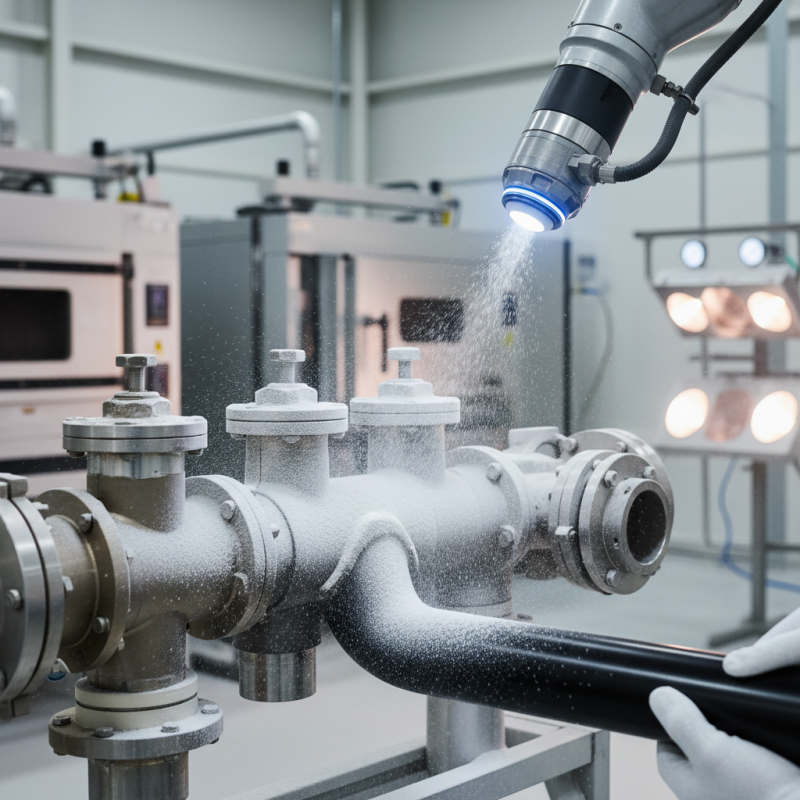
Next, use a powder spray gun for an even coat. Keep the gun at a consistent distance from the surface. Too close, and you get drips. Too far, and it won't adhere well. Apply in thin layers, allowing each layer to cure before applying the next. This prevents over-saturation. A common mistake is rushing this process, which can ruin the final result.
After application, cure the coating as per the manufacturer's instructions. This usually involves heating the coated item in an oven. Ensure the temperature is consistent throughout. An inadequate curing process can lead to brittleness. Finally, inspect the finish carefully. Look for areas that need touch-ups. Sometimes it’s the small details that make a big difference.
Best Practices for Maintaining Insulation Powder Coated Surfaces
Maintaining insulation powder-coated surfaces is crucial for achieving optimal protection. Regular inspections play a significant role. Industry studies indicate that up to 30% of deterioration in coated surfaces is due to neglect. Paying attention to signs of wear and tear early can prevent further damage. For example, scratches or chips might seem minor but can expose the substrate to moisture, leading to corrosion.
Cleaning practices are essential. It’s advised to use mild detergents with soft brushes to avoid damaging the coating. High-pressure washes can cause more harm than good. Data suggests that 40% of coatings fail prematurely due to improper cleaning methods. Specific regions, like coastal areas, see faster degradation due to salt exposure. Residual salt can accumulate and affect the coating’s integrity, so more frequent cleaning may be necessary.
Temperature variations can also impact the performance of insulation powder coatings. Extreme heat can cause thermal expansion, while cold can lead to contraction. This fluctuation stresses the coating over time. Reports indicate that coatings designed for higher temperature resistance perform considerably better in such environments. Adapting maintenance schedules based on local climate conditions can be beneficial. While these guidelines are effective, there is no one-size-fits-all approach. Continuous learning and adaptation are key.
Common Challenges and Solutions in Insulation Powder Coating Application
In insulation powder coating, several challenges can arise during application. One common issue is poor adhesion. Without proper surface preparation, the coating may not stick effectively. This can lead to peeling or flaking over time. Ensuring surfaces are clean and dry is crucial.
Another challenge is achieving even coating thickness. Uneven application can result in areas that are under-insulated. This lack of uniformity can cause energy loss. Implementing a systematic spraying technique can help. Use consistent movement and distance from the surface when applying the powder.
Tips: Always conduct a test application on a small area. This helps to detect issues before full application. Monitor environmental conditions, as humidity and temperature can affect curing. Adjust your strategy if you notice problems like bubbling or discoloration during curing.
Additionally, improper curing is another concern. It can significantly impact the coating's performance. Following the manufacturer's guidelines for temperature and time is essential. Oversights in this area can lead to a brittle or weak coat. Regular post-application inspections can catch early signs of failure.
2026 How to Use Insulation Powder Coating for Optimal Protection? - Common Challenges and Solutions in Insulation Powder Coating Application
| Challenge |
Description |
Solution |
Prevention Tips |
| Poor Adhesion |
The insulation powder doesn’t adhere properly to the substrate. |
Ensure proper surface cleaning and preparation before coating. |
Use appropriate primers and coat within the recommended time frame. |
| Pinholes and Bubbles |
Holes or bubbles appear on the coated surface. |
Adjust the coating thickness and application technique. |
Control humidity and temperature during the application process. |
| Inconsistent Finish |
The surface finish varies across the coated item. |
Ensure even application of powder and adjust the spray technique. |
Regularly maintain and calibrate the spray equipment. |
| Chalking |
Deterioration of the coating surface, leading to a chalky appearance. |
Choose high-quality powder coatings that are UV resistant. |
Implement regular maintenance assessments of coated surfaces. |
| Color Fading |
Loss of color vibrancy after exposure to UV rays. |
Select color formulations specifically designed for outdoor use. |
Consider applying protective topcoats for added durability. |