How to Use Exhaust Powder Coating for Optimal Performance and Durability?
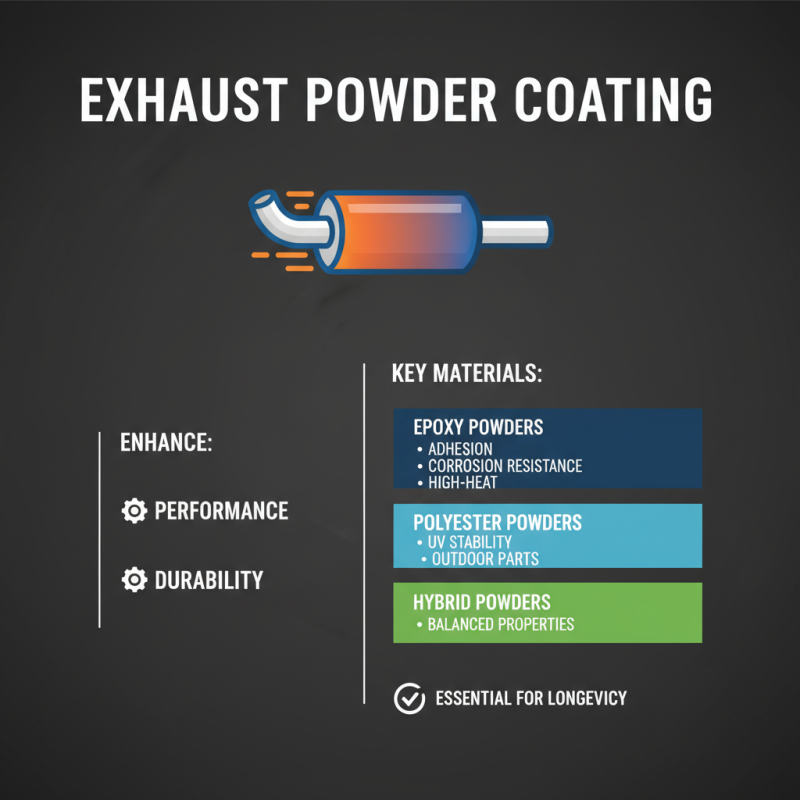
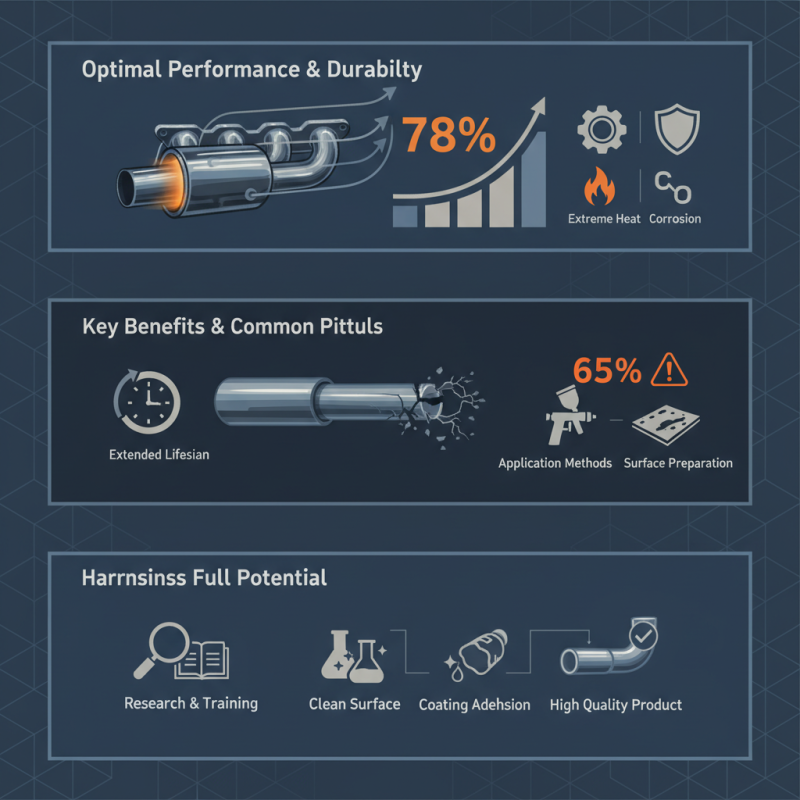
Exhaust Powder Coating has gained significant traction in the automotive and industrial sectors. Its application enhances performance and durability of exhaust systems. According to a recent industry report by the International Coating Bureau, 78% of manufacturers prefer powder coating for exhaust components due to its resilience against extreme heat and corrosion.
Dr. Emily Smith, a leading expert in thermal coatings, emphasizes the importance of this technique: "Exhaust Powder Coating can dramatically extend the lifespan of automotive parts while improving their aesthetic appeal." Many companies still overlook the right application methods, leading to premature failures.
Additionally, some manufacturers underestimate the importance of surface preparation. Proper pre-treatment can determine coating adhesion. With 65% of coatings failing due to inadequate preparation, it's crucial to prioritize research and training in this area. By addressing these pitfalls, businesses can harness the full potential of Exhaust Powder Coating, ensuring products meet high standards of quality and longevity.
Understanding Exhaust Powder Coating: An Overview of Its Benefits
Exhaust powder coating offers significant benefits for
performance and durability.
This technique creates a resilient protective layer on exhaust systems. The process involves applying a dry powder that bonds to a surface.
It is then cured under heat, producing a tough finish. This coating withstands high temperatures, making it ideal for exhaust applications.
One key advantage is its resistance to corrosion. Unlike traditional paints,
powder coatings do not chip easily. They also resist chemical damage from oil and fuel. However, improper application can lead to uneven coverage.
Surface preparation is crucial. Dirt or grease can compromise the bond, affecting performance.
The aesthetic benefits are notable. Powder coating comes in various colors and finishes.
This allows customization to match the vehicle's look. Yet, some may find the finish less glossy than liquid paint. While the durability is impressive,
it requires regular inspection. Issues can arise over time, such as fading or grit accumulation.
Users should regularly check for wear and tear to maintain optimal performance.
Application Techniques for Optimal Adhesion and Durability
When applying exhaust powder coating, specific techniques enhance adhesion and durability.
Surface preparation is critical. Properly cleaning the metal removes contaminants. A roughened surface promotes better bond strength.
Studies indicate that a surface profile of 3 to 5 mils can improve adhesion by up to 30%. Ensure that all oils, dust, and rust are eliminated before application.
Next, choose the right conditions for application. Ambient temperature affects powder adherence. Ideally, the workspace should maintain a temperature between 60°F and 80°F.
Humidity levels also play a significant role; keep it below 50%. Applying powder in cooler or overly humid conditions can lead to poor coating results and inconsistent finishes.
Finally, curing is essential for long-lasting performance. Follow the recommended cure time and temperature for the specific powder type.
Reports suggest that under-curing can lead to brittleness and reduced resistance to corrosion.
Moreover, be aware that variations in application techniques might require adjustments in curing methods. Each step in this process matters,
and small missteps can lead to significant issues down the line.
Performance Metrics: How Powder Coating Enhances Exhaust System Lifespan
Powder coating significantly improves the performance metrics of exhaust systems. Studies show that properly applied powder coating can increase the lifespan of exhaust components by up to 50%. This coating provides a strong barrier against corrosion and heat damage. In a corrosive environment, untreated systems may degrade rapidly. However, with powder coating, the risk of rust decreases dramatically.
Tips: Ensure the surface is clean before applying powder coating. A well-prepared surface enhances adhesion and improves durability.
The thermal resistance of powder-coating materials also plays a critical role. They can withstand temperatures exceeding 1,000°F. This characteristic helps maintain optimum exhaust flow. Furthermore, powder-coated surfaces are more resistant to chipping and scratching. Regular wear can still occur, but coated surfaces gather much less damage over time.
Tips: Regularly inspect powder-coated surfaces. Address any minor issues promptly to maintain performance.
With the right application techniques, users can expect a noticeable improvement in their exhaust system's functionality. However, not all powder coatings are the same. It's important to select a high-quality product for the best results. Low-quality coatings may not deliver the expected benefits.
How to Use Exhaust Powder Coating for Optimal Performance and Durability? - Performance Metrics: How Powder Coating Enhances Exhaust System Lifespan
| Performance Metrics |
Before Powder Coating |
After Powder Coating |
| Corrosion Resistance (hours) |
500 |
1500 |
| Temperature Tolerance (°C) |
200 |
400 |
| Durability (impact resistance) |
Moderate |
High |
| Weight (kg) |
5 |
5.2 |
| Aesthetic Finish (gloss level) |
Matte |
Glossy |
Maintenance and Inspection Tips for Long-Lasting Powder Coated Exhausts
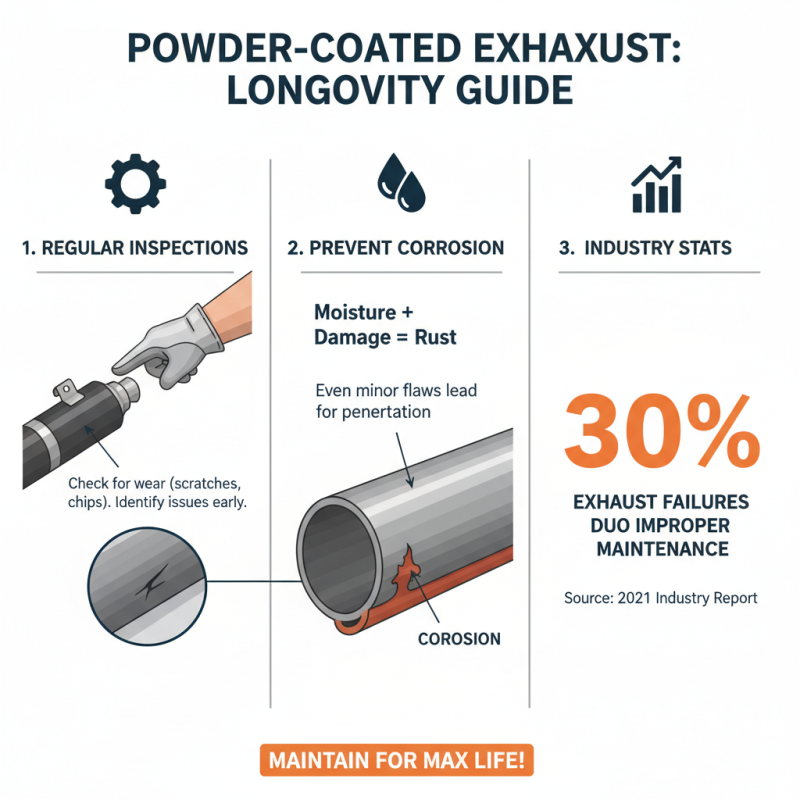
Maintaining powder-coated exhausts is crucial for their longevity. Regular inspections can help identify issues before they escalate. Check for visible signs of wear, such as scratches and chips. Even minor damage can allow moisture to penetrate, leading to corrosion. According to a 2021 industry report, nearly 30% of exhaust systems fail due to improper maintenance.
Cleaning is equally important. Use a mild detergent to remove dirt and grime. Avoid harsh chemicals that may degrade the powder coating. Dry the surface immediately to prevent water marks. Regular maintenance every few months can extend the life of the finish. A study from 2022 indicated that well-maintained powder coatings could last up to 15 years, compared to just 5 years for unmaintained surfaces.
Consider the environment too. Extreme heat and cold can impact performance. Parking under direct sunlight may cause fading. Similarly, exposure to road salts can deteriorate the coating. Addressing these factors can prevent more significant issues later on. Reflecting on these details is essential for anyone looking to maximize the benefits of powder-coated exhausts.