What is Powder Coating and How Does it Work?
Powder Coating is a popular finishing process used in various industries, from automotive to furniture. According to a report by the Powder Coating Institute, the global powder coating market is expected to reach $10 billion by 2026. This method stands out due to its durability and efficiency compared to traditional liquid coatings.
Experts emphasize the importance of this technology. John Smith, a Powder Coating professional, stated, “Powder Coating is more than just a finish; it’s a commitment to quality and sustainability.” His insights highlight the growing relevance of eco-friendly practices in manufacturing.
Yet, despite its advantages, challenges remain. Some manufacturers struggle with application techniques and materials. Incorrect application can lead to defects, and the need for skilled technicians is critical. As the industry evolves, continuous learning and adaptation become essential for success.
Understanding Powder Coating: Definition and Benefits
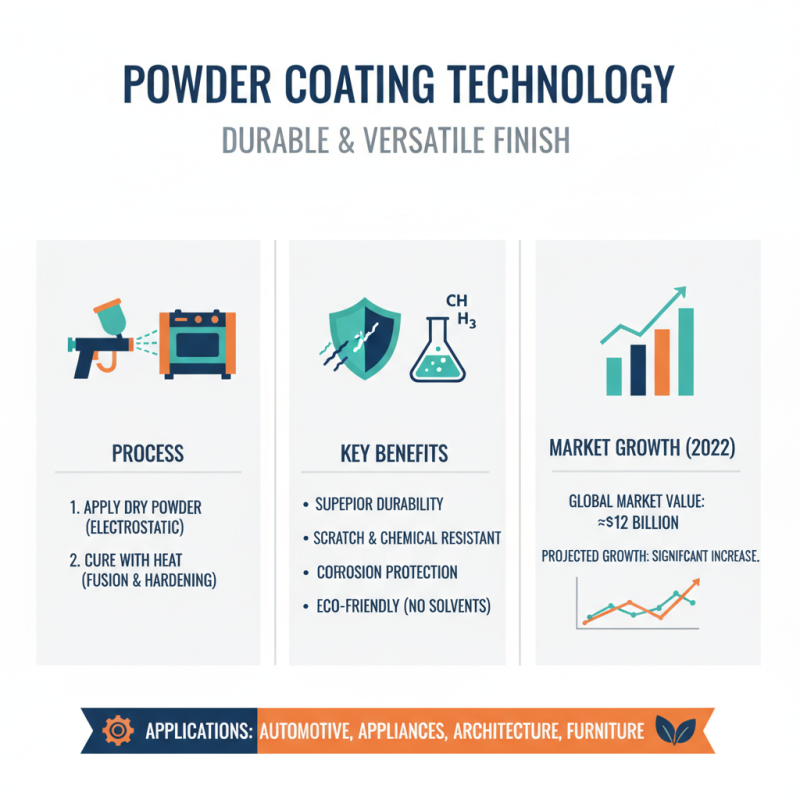
Powder coating is a popular finishing technique known for its durability and versatility. It involves applying a dry powder to a surface and then curing it under heat. This process creates a hard, protective layer that is resistant to scratches and chemicals. According to a 2022 market analysis, the global powder coating market was valued at approximately $12 billion and is projected to grow significantly in the coming years.
One of the main benefits of powder coating is its environmental friendliness. Unlike traditional liquid coatings, it emits minimal volatile organic compounds (VOCs). Reports indicate that powder coating has an average of 50% recovery efficiency, meaning much of the unused powder can be recycled. However, challenges remain. Not every surface can be effectively powder coated, and imperfections can result from insufficient curing. This highlights the need for precise application techniques.
The aesthetic appeal of powder coating is another significant advantage. It offers a variety of colors and finishes, allowing for customization. Data shows that consumer preferences increasingly lean toward finishes that not only look good but also provide long-lasting protection. However, users should be aware of the potential for chips and wear over time, especially in high-traffic areas. Recognizing these factors is crucial for anyone considering this finishing option.
The Process of Powder Coating: Step-by-Step Breakdown
Powder coating is a popular finishing process for metal parts. It involves applying a dry powder that is then cured under heat. This step-by-step breakdown illustrates how the process works.
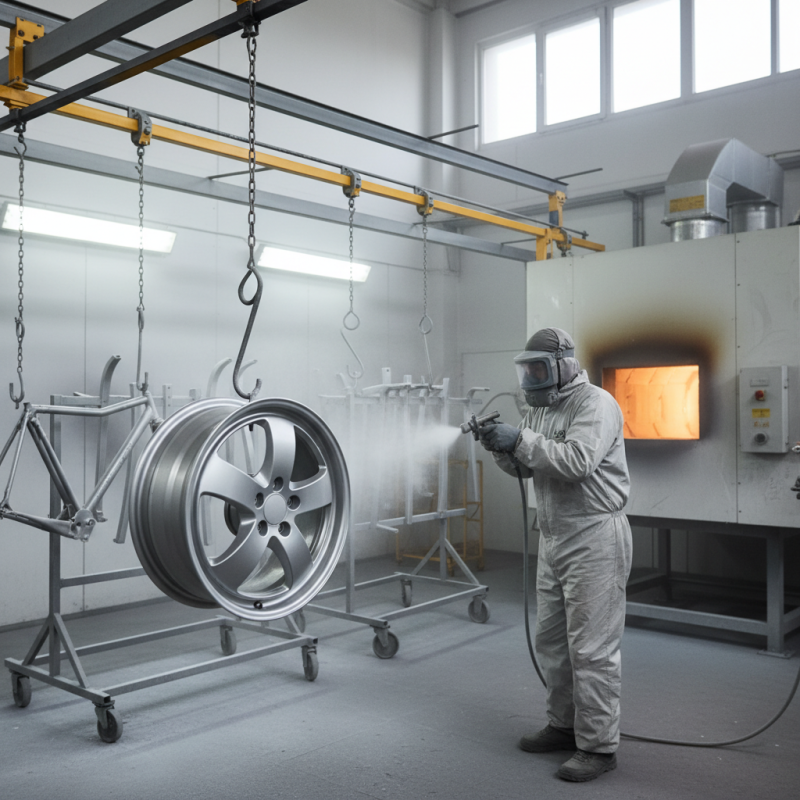
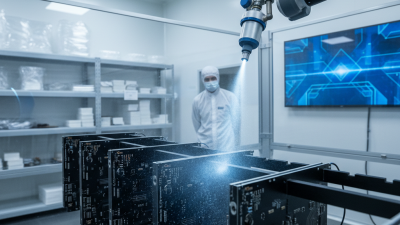
The surface preparation is key. The metal must be cleaned thoroughly to remove dirt and grease. Sandblasting or chemical cleaning can achieve this. Any leftover contaminants can cause issues. So, be meticulous. After cleaning, the powder coating is applied. This involves using an electrostatic spray gun. The powder particles are charged and adhere to the grounded surface. It looks like a thick, uniform layer initially. However, too much powder can lead to a rough finish.
Next comes curing. The coated metal is baked at high temperatures. This melts the powder into a smooth, durable finish. The curing time and temperature are critical. If not done correctly, the finish may bubble or peel.
Tips: Always test on small samples first. You can refine your technique with practice. Don't rush through the surface preparation. A smooth finish starts with a clean surface. Regularly check your equipment for any malfunctions. They can lead to uneven coating.
Types of Powder Coatings: A Comprehensive Overview
Powder coating is a popular finishing process. It uses finely ground particles that are applied electrically to a surface. This leaves a smooth and durable finish. The process involves heating the coated object to allow the powder to melt and bond.
There are various types of powder coatings available. Thermoset powders are common and provide excellent durability. They resist high temperatures and chemicals. On the other hand, thermoplastic powders can be reheated and reshaped. This can be advantageous, but it may lead to a less rigid finish.
Specialty powders also exist. They can mimic various textures, like a rough or glossy finish. Some coatings are even designed for specific applications, like outdoor furniture or automotive parts. However, finding the right type is often challenging. Making the wrong choice can result in poor adhesion or fading over time. It's a decision that requires careful consideration and testing, especially for unique projects.
Applications of Powder Coating in Various Industries
Powder coating is widely utilized across various industries. It offers durability, color vibrancy, and resistance to corrosion. This technique is common in automotive, furniture, and appliance manufacturing. Metal components often receive powder coating to enhance wear resistance.
In automotive production, powder coating protects parts from rust and scratches. The sleek finish improves the overall aesthetic of vehicles. Appliances like washers and dryers also benefit from this coating. It helps them withstand frequent use while maintaining their appearance.
**Tip:** Ensure the surface is clean before applying powder coating. Dust or oils can lead to uneven finishes. Remember, even minor imperfections in preparation can ruin the final product.
In furniture design, powder coating allows for creative colors and textures. Many outdoor pieces use this method for weather resistance. Yet, improper curing can lead to chipping or fading, affecting the longevity.
**Another Tip:** Always check the curing process. Inadequate curing can cause premature failures. It's crucial to follow the recommended temperature guidelines closely.
What is Powder Coating and How Does it Work? - Applications of Powder Coating in Various Industries
| Industry |
Application |
Benefits |
| Automotive |
Protective coatings for wheels and body parts |
Durability, corrosion resistance, aesthetic appeal |
| Furniture |
Coating for metal furniture |
Variety of colors, scratch resistance, UV stability |
| Electrical |
Insulating coatings for electrical components |
Electrical insulation, heat resistance |
| Construction |
Protective coatings for metal frameworks |
Weather resistance, long-lasting finish |
| Appliances |
Finishes for household appliances |
Easy to clean, resistant to fading |
Environmental Benefits of Powder Coating Compared to Traditional Painting
Powder coating is an environmentally friendly finish that offers significant advantages over traditional paint. According to a report by the EPA, powder coating generates nearly zero volatile organic compounds (VOCs), which are hazardous to air quality. This not only protects the environment but also enhances indoor air quality where products are used. Unlike traditional paints, there is no risk of toxic fumes escaping during application.
Moreover, the process of collecting overspray in powder coating is efficient. A staggering 95% of the powder can be reused, reducing waste significantly. In contrast, spray painting tends to waste about 40% of materials due to overspray and run-off. This wastefulness raises concerns about resource efficiency. Additionally, powder coating is applied electrostatically, ensuring a thicker, more durable layer that reduces the need for frequent repaints.
While powder coating systems require more investment initially, the long-term savings and environmental benefits are worth considering. It’s important to reflect on the life cycle impact of coatings. As industries shift towards sustainable practices, adopting powder coating can lead to substantial reductions in environmental harm.