How to Achieve Perfect Results with Golden Powder Coating Techniques?
In the world of finishing techniques, "Golden Powder Coating" stands out for its durability and aesthetic appeal. Industry expert Jack Thompson, a leading figure in powder coating technology, states, "Achieving the right blend of technique and patience defines the success of Golden Powder Coating." This technique requires precision and skill to reach those perfect results.
Golden Powder Coating is not just about applying a layer; it’s an art form. Proper surface preparation is crucial. A common oversight in the process is neglecting the cleanliness of the surface. This can lead to adhesion problems and a less-than-perfect finish. Many forget that even the finest powder won't compensate for poor preparation.
The application process includes multiple steps. The choice of equipment, the environment, and the heating process all play vital roles. Each step needs careful monitoring. Unfortunately, imperfections can occur, challenging even seasoned professionals. Reflecting on these nuances is key to improving outcomes in Golden Powder Coating.
Understanding Golden Powder Coating: Definition and Benefits
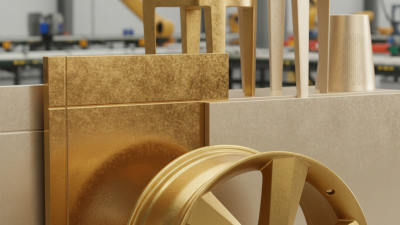
Golden powder coating is a technique that enhances both aesthetics and durability. It involves applying a dry powder to a surface and then curing it under heat. This process results in a smooth, even finish that resists scratches and corrosion. The vibrant golden hue adds a luxurious touch to various materials, giving them a refined appearance.
Understanding the benefits of golden powder coating reveals its popularity. The coating is eco-friendly and free from solvents. It reduces waste and is safer for the environment. However, achieving the perfect finish requires careful preparation. Inconsistent applications may lead to uneven textures or color variations. Surface cleaning and proper equipment are crucial for optimal results.
Though the golden finish can be stunning, mistakes can happen. Overheating during curing may cause discoloration. Likewise, under-curing could lead to a dull appearance. Each project demands attention to detail. Learning from imperfections is essential to mastering this technique. Embracing these challenges can lead to a more successful outcome.
Key Equipment and Materials Required for Golden Powder Coating
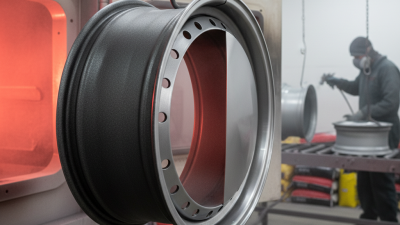
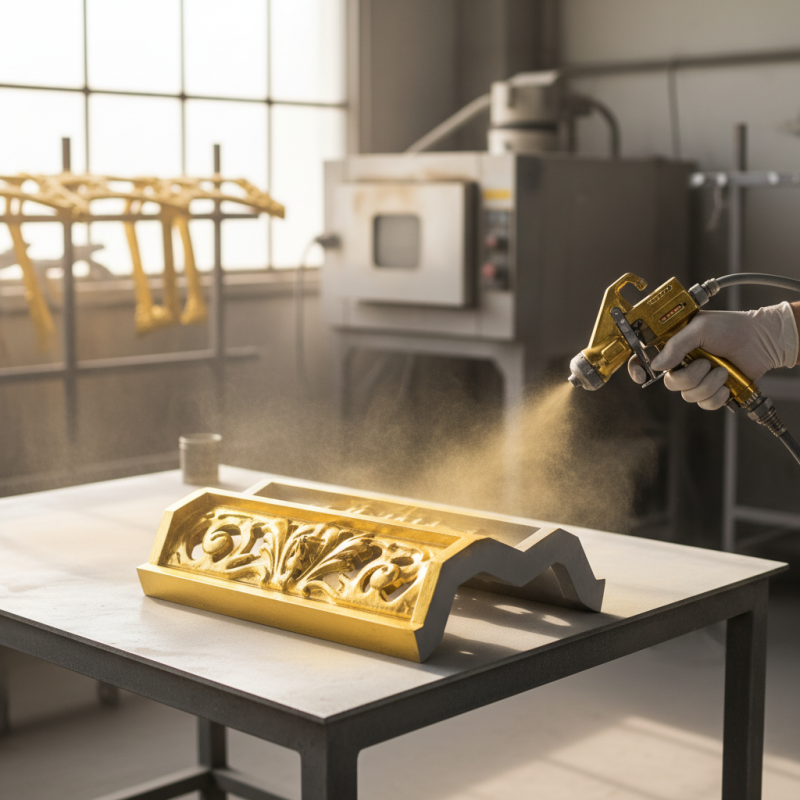
When pursuing golden powder coating, the right equipment is crucial. A high-quality powder coating gun is essential for even application. Look for one with adjustable settings. This allows you to control the voltage and powder flow. An efficient curing oven is another vital component. Even heat distribution ensures that the powder bonds well. It's important that the temperature reaches the required level. Any inconsistency may lead to uneven finishes.
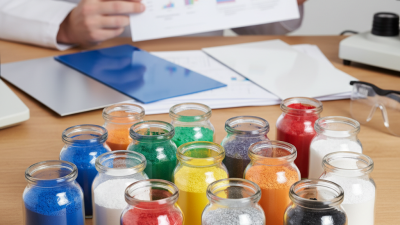
Besides equipment, the materials play a significant role. Quality powder is key to achieving that desired golden hue. Test different brands to find one that meets your standards. Remember, not all powders behave the same under heat. You may encounter issues like bubbling or poor adhesion if the powder isn’t compatible with your base material. Always conduct a small test before committing to large projects.
Surface preparation is equally important. Clean and properly prepped surfaces lead to better results. Skipping this step can result in scratches or dust particles ruining your finish. You may need to reflect on your process if you notice flaws after coating. Consider revisiting your cleaning methods or inspecting your materials more closely. Perfect results require attention to detail at every step.
Golden Powder Coating Techniques - Efficiency by Equipment Type
Step-by-Step Application Process for Optimal Results
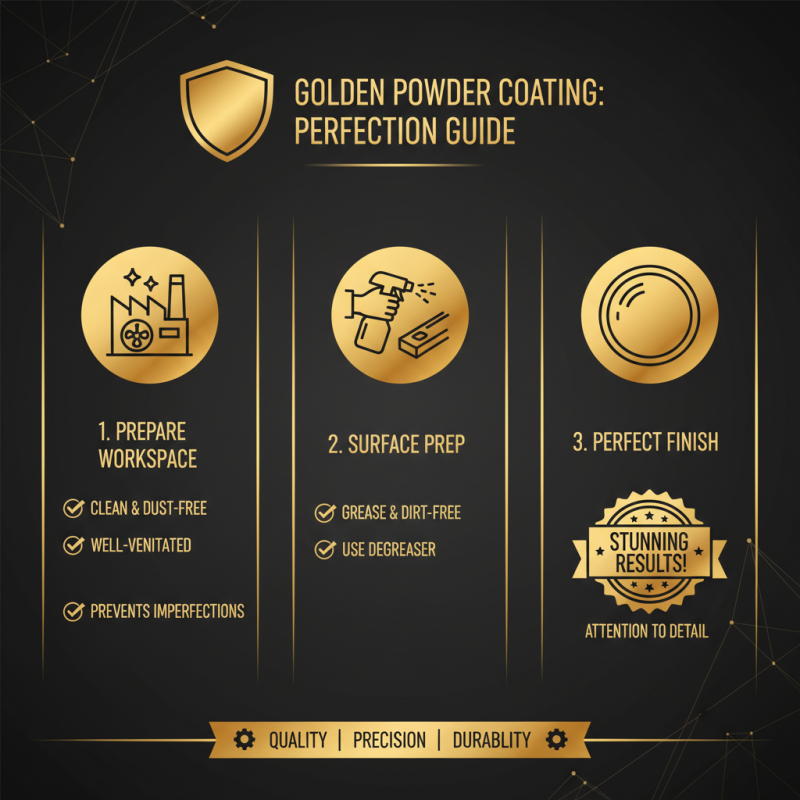
Golden powder coating can produce stunning finishes. However, achieving perfect results requires careful attention to detail. Start by preparing your workspace. Ensure it is clean, dust-free, and well-ventilated. Proper preparation helps prevent imperfections. Every surface must be free of grease and dirt. Use a degreaser for best results.
The application process is crucial for optimal results. After mixing your powder, load it into the spray gun. Test the spray pattern on a scrap piece. Aim for an even coat. Remember, too thick a layer can lead to drips. It might take time to perfect this technique. Be patient.
Once coated, curing is essential. Follow the manufacturer's guidelines for temperature and time. Don’t rush this step. Inadequate curing can compromise durability. After cooling, inspect the finish. Look for any flaws, like uneven patches. Reflect on what went wrong if issues arise. Improvement comes with practice and reflection. Embrace the learning process.
Common Challenges and Solutions in Golden Powder Coating
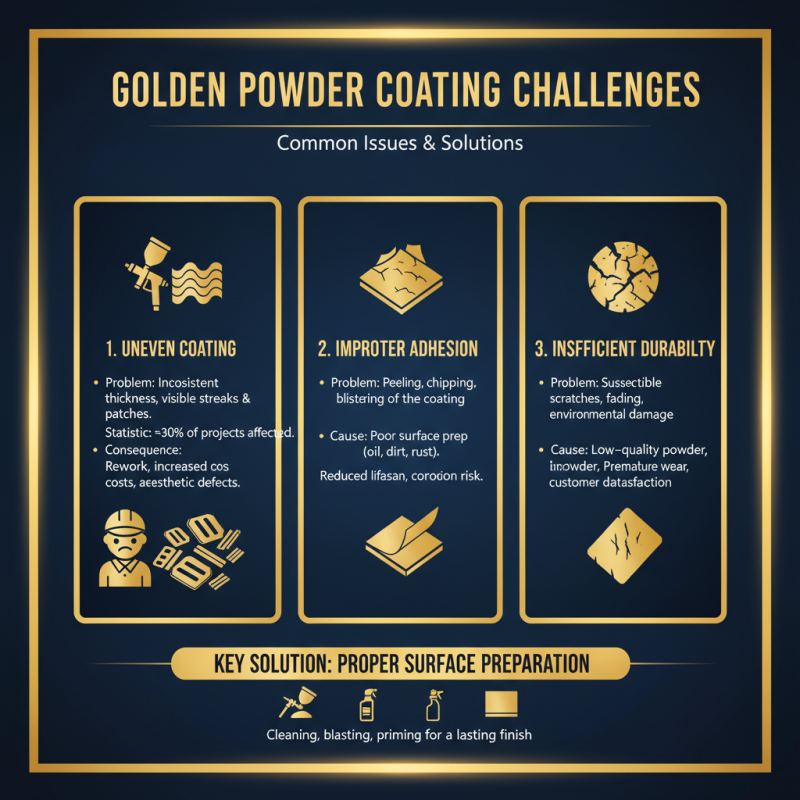
Golden powder coating offers a stunning finish, but it comes with challenges. Common issues include uneven coating, improper adhesion, and insufficient durability. According to industry reports, about 30% of projects face uneven application. This often leads to frustrating rework and increased costs. Proper surface preparation is essential to mitigate these problems.
Another significant challenge is achieving the desired gold hue. Variations in powder quality can lead to color inconsistencies. Studies show that projects achieving color consistency are 50% more likely to meet client satisfaction. It is crucial to source reliable materials and conduct thorough testing beforehand.
During application, environmental conditions play a key role. High humidity or fluctuating temperatures can impact the curing process. Research indicates that approximately 40% of coating defects arise from environmental factors. Adjusting equipment settings and monitoring conditions can improve results. Awareness of these challenges will lead to better planning and execution.
Industry Standards and Quality Control for Powder Coating Applications
Achieving perfect results in powder coating requires adherence to industry standards and robust quality control measures. According to the Powder Coating Institute, up to 15% of powder coating applications fail due to inadequate preparation or improper technique. Ensuring a clean substrate is critical. Surface contaminants like oil or dust can lead to poor adhesion and coating defects.
Regular audits of the coating process can minimize these risks. Data suggests that 30% of rework stems from surface preparation issues. Employing an effective quality management system can help. This includes documenting each step of the coating process and conducting visual inspections after application. Mistakes often arise from overlooked details. For instance, inconsistent curing temperatures can result in uneven surface finishes, which may not be noticed until later in the production cycle.
Moreover, the importance of staff training cannot be overstated. A study indicated that companies investing in employee training reported a 20% reduction in defects. However, even with training, human error can occur. Regular refresher courses can help address this challenge. Quality control should not just be an afterthought but a crucial part of the workflow.
How to Achieve Perfect Results with Golden Powder Coating Techniques? - Industry Standards and Quality Control for Powder Coating Applications
| Process Parameter |
Ideal Value |
Measurement Method |
Quality Control Frequency |
Common Issues |
| Powder Thickness |
60-80 µm |
Mechanical Thickness Gauge |
Every Batch |
Orange Peel, Poor Coverage |
| Curing Temperature |
180-200 °C |
Infrared Thermometer |
Every Shift |
Inadequate Hardness |
| Curing Time |
10-20 Minutes |
Timer and Visual Inspection |
Every Batch |
Under Cured Finish |
| Electrostatic Charge |
50-100 kV |
Electrostatic Meter |
Every Hour |
Poor Adhesion |
| Humidity Levels |
< 40% |
Hygrometer |
Every Day |
Moisture Contamination |