What is Metallic Powder Coat and How Does It Work?
Metallic Powder Coat is transforming the surface finishing industry. Experts like John Smith, a leading specialist in coatings, emphasize, "Metallic finishes elevate products visually and protectively." This technique combines metal particles with a powder base, creating stunning visual effects.
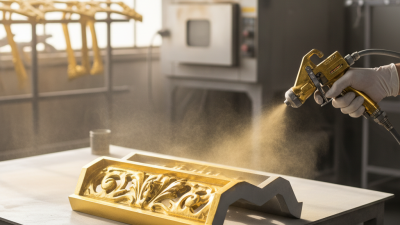
The process involves electrostatic spraying, which ensures an even coat. When heated, the powder melts and bonds tightly to surfaces. This leads to a durable and attractive finish. However, achieving consistency can be challenging. Variations in application techniques often result in different outcomes.
Metallic Powder Coat enhances aesthetics but requires careful handling. Factors like humidity and temperature can affect the final product. While the benefits are significant, it’s crucial to refine application methods. Striving for perfection in this process can yield impressive results.
What is Metallic Powder Coat?
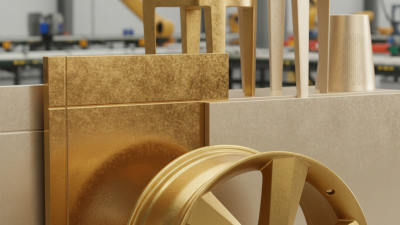
Metallic powder coat is a unique finishing process. It involves the use of finely ground metallic powders. These powders add a shimmering, reflective quality to the surface. This type of coating is often used on metals and various surfaces. The effect mimics that of polished chrome or aluminum. It results in a rich, luxurious appearance that many find appealing.
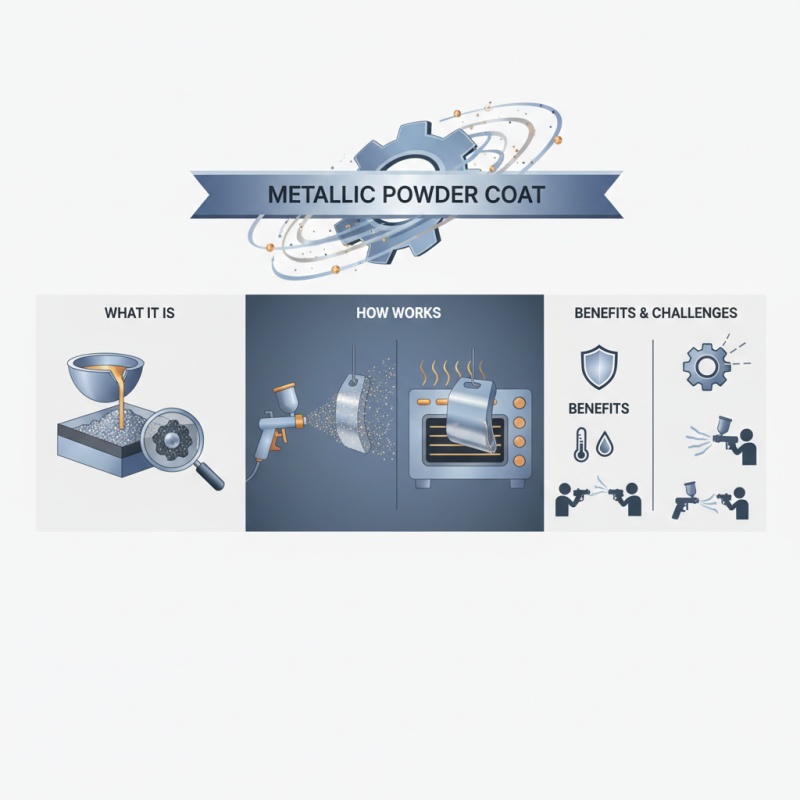
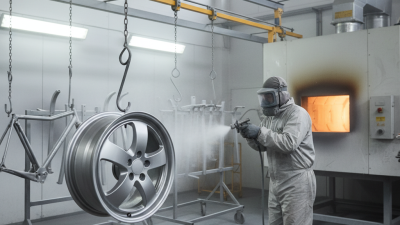
The application process of metallic powder coat is interesting. It typically begins with cleaning the surface thoroughly. After that, the metallic powder is electrostatically charged. This charge helps the powder adhere to the surface evenly. Once coated, the item is cured in an oven. This step ensures a strong, durable finish. It is important to note that not all metallic powders perform the same. Variations can occur based on the formulation.
However, achieving a perfect finish is sometimes challenging. Factors like humidity and temperature can affect the coating process. Even small errors can lead to uneven surfaces. These imperfections remind us that practice is essential. Each application can teach valuable lessons. The versatility of metallic powder coat makes it a popular choice despite these challenges.
The Composition of Metallic Powder Coatings
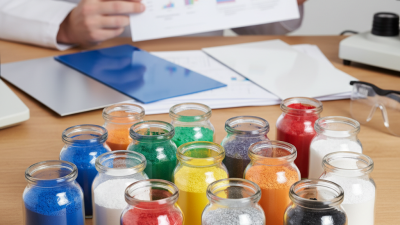
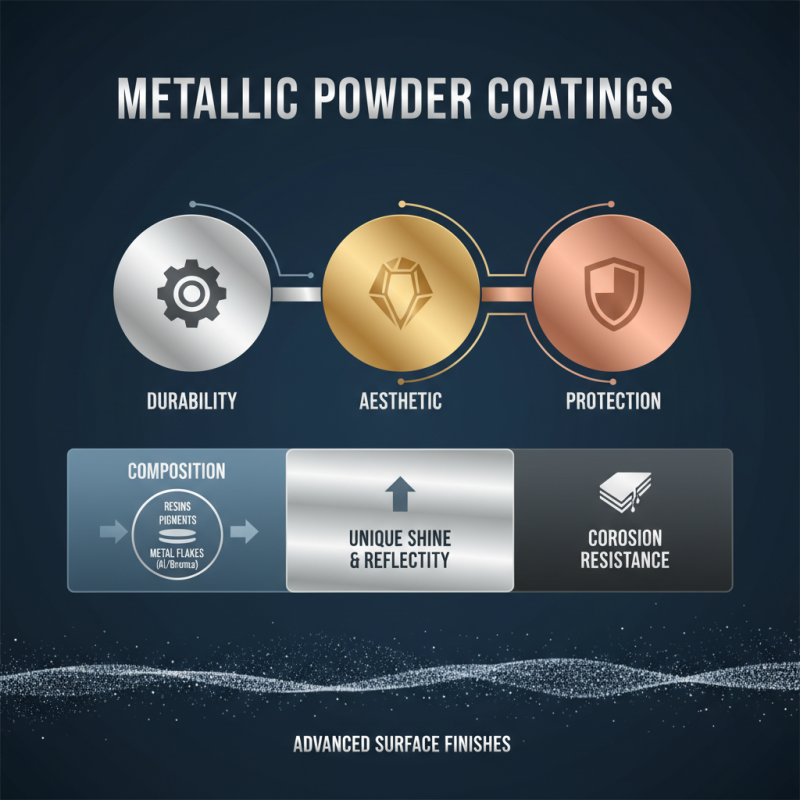
Metallic powder coatings stand out in the world of surface finishes due to their striking aesthetic appeal and durability. The composition of these coatings plays a crucial role in their performance. Typically, metallic powders consist of a blend of resins, pigments, and metal flakes. The metal flakes are often aluminum or bronze, contributing to the unique shine and reflective properties.
A notable aspect of metallic powder coatings is their particle size. Reports indicate that particles smaller than 10 microns often lead to smoother finishes. However, achieving this requires advanced application techniques. Most professionals note that improper application can result in texture issues and inconsistent color. This is a reminder that quality control is vital in the coating process.
According to studies, nearly 60% of coatings applications face challenges related to adhesion and uniformity. This can stem from inadequate surface preparation or incompatible materials. An often overlooked factor is the curing process; improper curing can cause the finish to chip or peel. Many users report frustrations in achieving the perfect application, highlighting the need for precise methods and ongoing training in the industry.
How Metallic Powder Coating is Applied
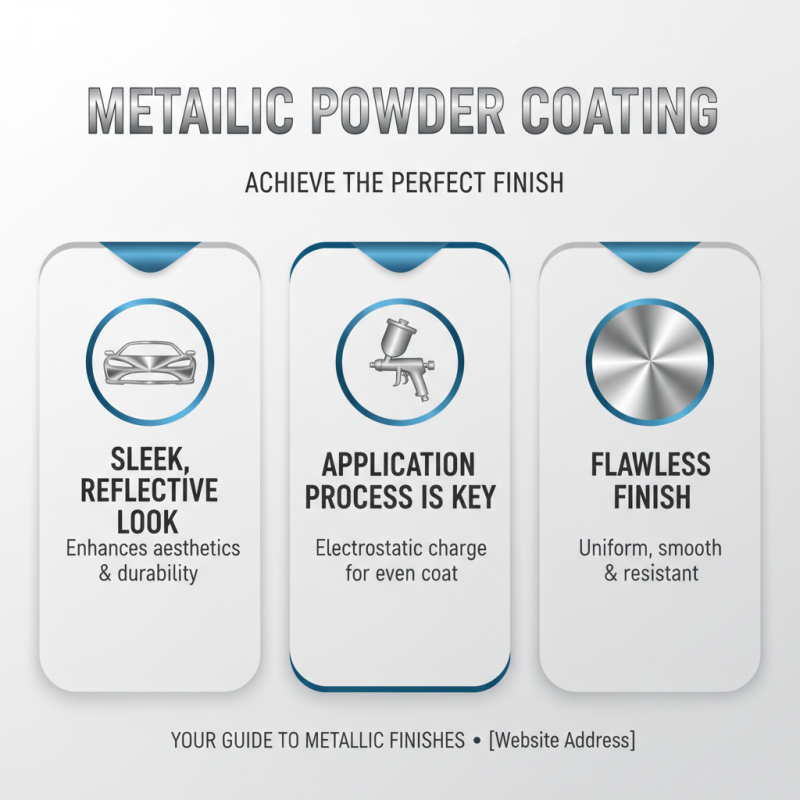
Metallic powder coating is a popular finishing method. It gives surfaces a sleek, reflective look. The application process is key to achieving that perfect finish.
Application begins with surface preparation. Cleaning is crucial. Any dirt or oil can affect adhesion. A report from the Powder Coating Institute states that properly prepped surfaces can improve bond strength by up to 50%. After cleaning, the metallic powder is applied using an electrostatic spray gun. This method charges the powder particles, enabling them to adhere evenly to the surface. Mistakes can happen here. Uneven coverage can lead to a patchy look, so proper technique is essential.
Curing follows application. The coated item is heated in an oven. This process allows the powder to flow and harden. It typically requires temperatures ranging from 325°F to 400°F. Some variables can affect the outcome. Variations in temperature or time can lead to under-cured surfaces, which may chip easily. According to a study by the Coating Research Group, improper curing can reduce durability by up to 30%. Attention to detail during each step ensures a long-lasting finish.
The Benefits of Using Metallic Powder Coating
Metallic powder coating offers a unique finish that enhances the aesthetic appeal of various surfaces. This process involves applying powdered paint electrostatically and curing it under heat. It results in a durable and visually striking coating that stands up to environmental challenges. According to a report from the Powder Coating Institute, metallic finishes can increase the value of products by up to 30%.
The benefits of using metallic powder coating are substantial. It not only provides a high-quality visual appeal but also offers superior corrosion resistance. A study shows that metallic coatings can withstand harsh weather and UV exposure better than traditional paints. Many industries prefer metallic options for aesthetic versatility and durability. However, achieving consistent quality in application can be tricky. Small imperfections can pop up during the process, often unnoticed until the final result is revealed.
In terms of environmental impact, metallic powder coatings produce fewer volatile organic compounds than traditional liquid paint, yet they still require careful handling. A report from the Environmental Protection Agency indicates that powder coatings can contribute to a significant reduction in hazardous waste. Awareness of application techniques can lead to a more consistent finish. Moving forward, manufacturers must continuously work on refining processes to minimize imperfections and maximize the benefits of this coating method.
Common Applications of Metallic Powder Coating
Metallic powder coating is gaining popularity in various industries due to its striking appearance and durability. This coating is often used for decorative purposes and to enhance the longevity of products. The shimmering finish it provides is visually appealing. Many industries take advantage of this technique for both aesthetic and protective qualities.
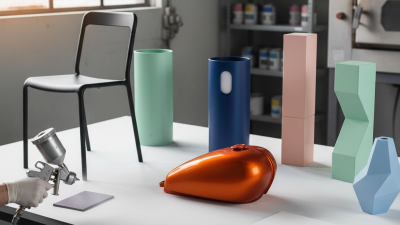
Automotive applications are notable. Car manufacturers frequently use metallic powder coatings for rims and body parts. This not only enhances visual appeal but also provides corrosion resistance. Furniture makers have also embraced this coating. Metallic finishes on chairs and tables offer a modern touch and withstand everyday wear.
There are challenges with metallic powder coats. Application can be inconsistent, leading to uneven finishes. Achieving a flawless look might require several attempts. Furthermore, the curing process needs careful monitoring. While it offers numerous benefits, refinements in technique are crucial.