2026 How to Choose the Best Durable Powder Coating for Your Project?
In the pursuit of the perfect finish for your project, selecting a Durable Powder Coating is crucial. This process can feel overwhelming. Various options exist, and each has unique qualities. The right choice impacts both aesthetics and longevity.
Consider the environment where the coated item will be used. Will it face harsh weather? High humidity? Each factor influences your coating decision. Moreover, the desired finish matters. Do you prefer a glossy shine or a matte texture?
Finding a Durable Powder Coating isn’t just about appearance. It’s about durability and resilience too. Often, people overlook application methods. Sometimes, DIY solutions may compromise quality. Reflecting on these details can enhance your project significantly. Choose wisely to ensure your investment lasts.
Understanding Powder Coating: Types and Characteristics
Powder coating is a popular finishing technique known for its durability and versatility. Understanding the types and characteristics of powder coatings is vital for selecting the right one. There are two primary types: thermosetting and thermoplastic. Thermosetting powders offer excellent hardness and chemical resistance. They are often used in environments exposed to harsh conditions. Conversely, thermoplastic powders provide flexibility and can be remelted. This can allow for easier repairs but may not be as durable as thermosetting options.
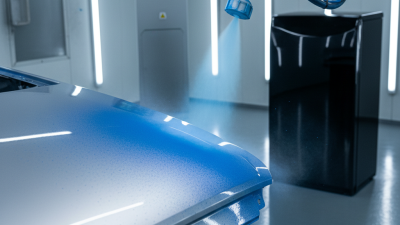
According to a report by the Powder Coating Institute, over 15% of all powder coatings are utilized in the automotive sector. The automotive industry prioritizes coatings that withstand extreme temperatures and weathering. Additionally, data shows that nearly 30% of powder coatings are used in architectural applications. These coatings must resist fading and corrosion.
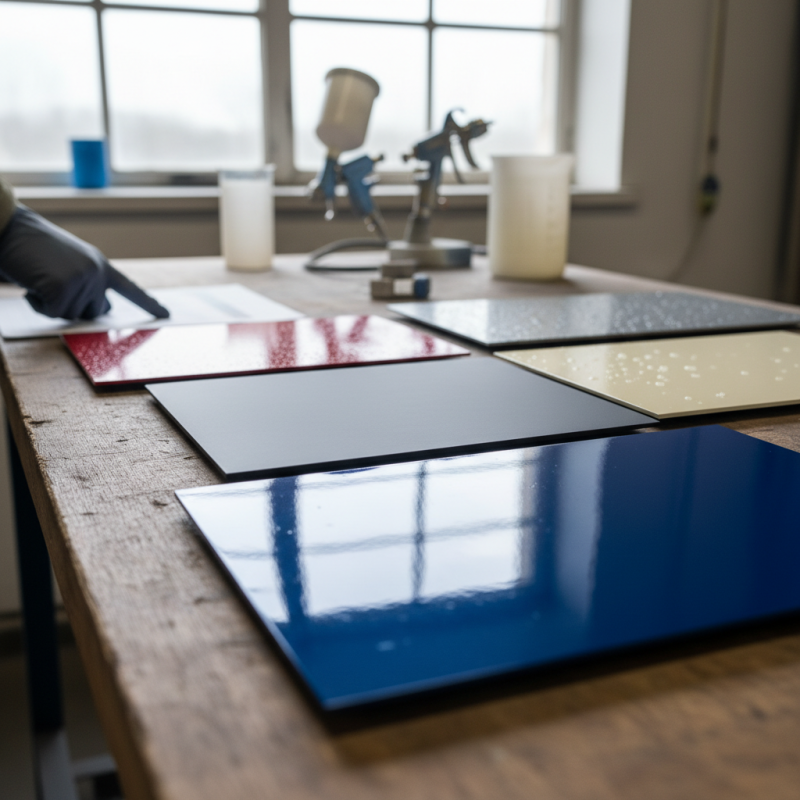
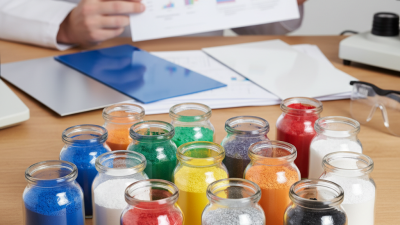
Moreover, the choice of color and finish also plays a role. Glossy finishes may provide a more dramatic appearance but can show dirt easily. Matte finishes can hide imperfections but may require more maintenance. Usually, the decision hinges on project requirements, aesthetics, and long-term performance. Reflecting on these details can help ensure a successful powder coating choice.
Factors to Consider When Choosing Durable Powder Coating
Choosing the right durable powder coating for your project can be challenging. Several factors influence this decision. One key aspect is the type of material you are coating. Metals often require different coatings than plastics. Understanding the surface you will be working with helps narrow down options effectively.
Another important consideration is the intended use of the coated object. If it will face harsh weather or heavy wear, look for coatings that provide excellent resistance to corrosion and abrasion. Some require a smooth finish for aesthetics, while others prioritize durability. It’s critical to determine your specific needs early in the process.
Don't overlook the environmental impact of the powder coating. Some formulations may emit harmful substances. Always ask for safety data sheets for transparency. The choice may not be perfect, and compromises might be necessary. Reflect on what aspects matter most for your project. Balancing durability with other factors can lead to a better outcome.
Evaluating Powder Coating Performance for Specific Applications
When evaluating powder coating performance for specific applications, consider the environment where the coated item will be used. A recent industry report indicated that nearly 70% of powder coatings fail in extreme conditions. This highlights the importance of understanding coating durability. For instance, coatings exposed to harsh chemicals may require enhanced chemical resistance. Certain formulations, like epoxy-based powders, excel in such environments but may struggle with UV stability.
Another key aspect to evaluate is adhesion. Poor adhesion can lead to delamination, which significantly impacts performance. Studies have shown that surface preparation accounts for 80% of adhesion quality. Different surfaces, from steel to aluminum, require tailored preparation methods. Making the wrong choice can result in costly rework or product failure.
Color retention is another crucial factor. Coatings with poor pigment stability can fade rapidly. Recent data revealed that over 50% of users reported dissatisfaction with color longevity. Thus, selecting the appropriate pigment and binder system based on exposure scenarios is essential. Ensure your choice aligns with the application's unique challenges.
2026 Powder Coating Performance Evaluation
Application Methods and Their Impact on Durability
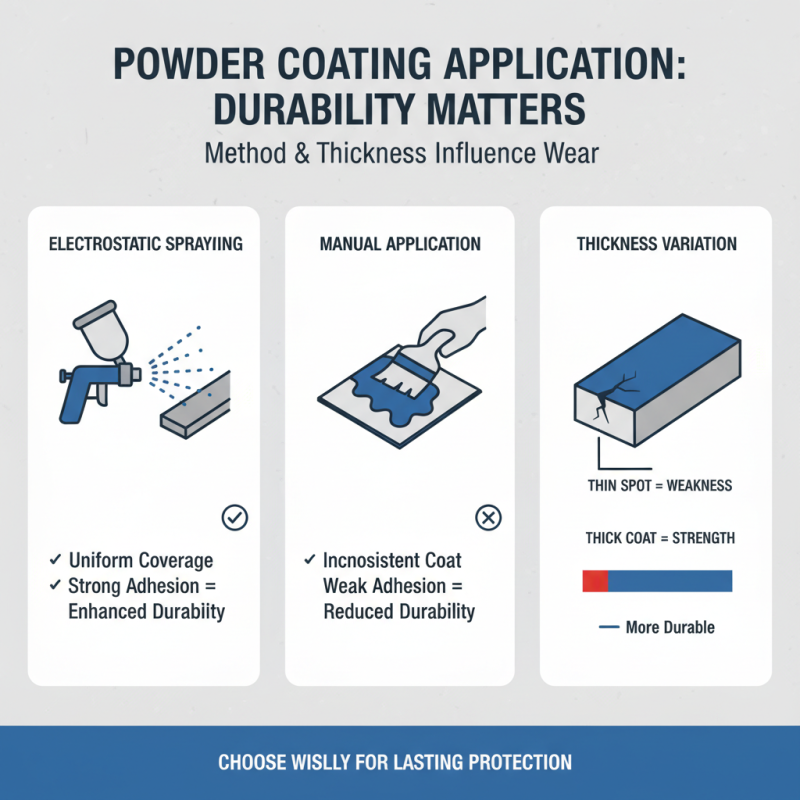
When choosing a powder coating for your project, application methods significantly influence durability. Different techniques can produce varied results, affecting how the coating adheres and withstands wear. For example, electrostatic spraying offers a uniform coating, while manual powder application may lack consistency. Variations in application thickness can also lead to weakness.
Tips: Always ensure the surface is clean and properly prepped. This step boosts adhesion and longevity. Consider environmental factors, like humidity and temperature, during application. These can impact the curing process.
Another factor to ponder is the curing time. Some methods may rush through this crucial phase, leading to subpar results. Quick jobs can be less durable over time. It’s essential to balance speed and quality in the process. Observing drying and curing times can be a game changer for your project’s success.
Tips: Test different methods on small samples before full-scale application. This can save time and resources. Document your findings to refine your approach. Awareness of potential pitfalls will help improve your technique.