2026 How to Choose the Best Flame Retardant Powder Paint?
When considering flame-resistant applications, choosing the right Flame Retardant Powder Paint is crucial. According to a report by MarketsandMarkets, the global market for flame retardant coatings is expected to grow significantly, reaching $1.2 billion by 2025. This underscores the importance of understanding the options available.
Flame Retardant Powder Paint has unique properties that can protect surfaces from fire damage. Various industries, including construction and automotive, rely on these coatings. However, not all products are created equal, leading to concerns about effectiveness and safety. The wrong choice may result in reduced protection or compromised performance.
Despite the advancements, challenges remain. Many users find it difficult to navigate the specifications and certifications required for these paints. Achieving the desired balance between safety, application ease, and durability is often problematic. By recognizing these factors, consumers can make more informed decisions. Ultimately, understanding the intricacies of Flame Retardant Powder Paint will empower you to select the best options for your specific needs.

Understanding Flame Retardant Powder Paints: A Brief Overview
Flame retardant powder paints play a crucial role in enhancing safety across various industries. These paints contain specialized additives designed to slow down or prevent the spread of fire. According to industry reports, the flame retardant coatings market is projected to grow at a CAGR of 5% from 2022 to 2028, reflecting the increasing demand for fire safety measures.
When selecting flame retardant powder paints, consider the application environment. Different settings require specific formulations. For example, paints used in construction may need to comply with stricter fire codes compared to those in automotive applications. Look for paints with certifications from recognized safety standards, such as ASTM E84 or UL 94. These certifications validate the performance of the flame retardant properties.
Tip: Always test samples in your working environment. Sometimes, even reputable products may not perform as expected. It’s crucial to ensure compatibility with the surface you're painting. Testing can save significant time and resources. Additionally, keep an eye on the longevity of flame retardant properties. Some products may lose effectiveness over time or under harsh conditions, which necessitates routine assessments.
Incorporating flame retardant powder paints enhances safety, but not all options will suit every situation. Evaluate the specific needs of your project and the environment to make informed choices about materials. Regularly review updates in safety standards and materials technology to stay aligned with current regulations and advancements.
2026 How to Choose the Best Flame Retardant Powder Paint? - Understanding Flame Retardant Powder Paints: A Brief Overview
| Property |
Description |
Typical Values |
| Flame Retardant Class |
The classification of flame retardants based on their efficiency. |
Class A, Class B, Class C |
| Heat Resistance |
The temperature at which the paint maintains performance without degradation. |
Up to 200°C |
| Drying Time |
The time required for the paint to dry after application. |
20-30 minutes |
| Surface Finish |
The texture or sheen of the dried paint. |
Matte, Satin, Glossy |
| Application Method |
Methods of applying the powder paint to surfaces. |
Electrostatic Spraying, Manual Spraying |
| Environmental Impact |
Considerations regarding the eco-friendliness of the paint. |
Low VOC, Non-toxic |
Key Properties of Flame Retardant Powder Paints to Consider
When selecting flame retardant powder paints, several key properties merit careful consideration. One vital aspect is the material's thermal stability. According to the National Fire Protection Association, materials with higher thermal stability can withstand prolonged exposure to heat without degrading. This quality is paramount for ensuring safety in environments prone to high temperatures.
Another significant factor is the paint’s char formation. A study conducted by the American Society for Testing and Materials highlighted that effective char formation can significantly reduce flammability. It acts as a barrier against heat and flames, enhancing the paint's protective properties. However, the balance between desired char formation and the aesthetic finish may require careful evaluation.
Varying levels of adhesion to substrates also play a crucial role. Paints must maintain their integrity under stress and temperature fluctuations. Research indicates that poor adhesion can lead to peeling, compromising the paint's flame retardant qualities. Choosing a product with proven adhesion, especially under varying environmental conditions, can help mitigate this risk. As such, engaging with industry reports and expert analysis is advisable when making a selection.
Evaluating Fire Safety Standards for Powder Paints
When selecting flame retardant powder paint, it’s crucial to understand fire safety standards. These standards vary significantly. Different regions have their own regulations. Compliance with these standards ensures safety in various environments. A reliable flame retardant paint should meet or exceed these requirements. Look for specific certifications. These certifications indicate rigorous testing and quality assurance.
Fire safety standards evaluate various elements. They assess the combustion properties and heat release rates. Understanding these aspects can be complicated. In many cases, the data may not be straightforward. Therefore, consulting safety data sheets can provide invaluable insights. Any trusted supplier should offer clear information on compliance and testing results.
Not all products labeled as flame retardant have the same level of effectiveness. There can be inconsistencies in manufacturing. Reflecting on this reality allows for informed decision-making. Always inquire about the testing methods used. This knowledge enhances your understanding of the product's reliability. It’s essential to consider the specific application of the powder paint as well. A thorough evaluation helps ensure maximum fire safety in your projects.
Assessing the Application Methods for Flame Retardant Coatings
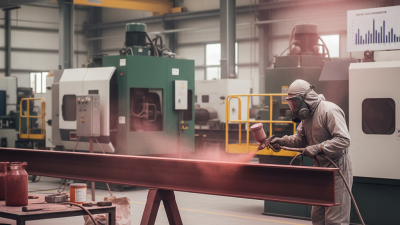
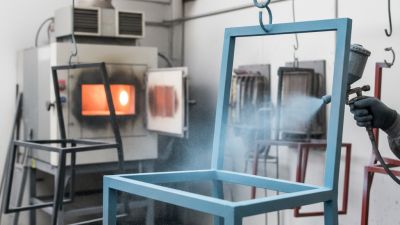
When selecting a flame retardant powder paint, application methods significantly influence performance. Various techniques such as electrostatic spray, airless spray, and conventional spray are commonly used in the industry. According to the Coating Technology Guide, electrostatic spray offers superior coverage and reduced waste, with application efficiency reaching up to 90%. This method allows for even distribution of paint, critical in achieving optimal flame resistance.
However, the choice of application method should consider the substrate and project scale. For instance, airless spray provides high pressure but may lead to overspray and wastage if not controlled properly. A survey conducted by the National Fire Protection Association indicates that improper application can diminish flame-retardant effectiveness by as much as 30%. Thus, proper training on application techniques is essential.
Environmental conditions also play a key role. High humidity can negatively impact paint adhesion and curing. Data suggests that avoiding application in such conditions can improve long-term performance. Reflecting on these factors is necessary as choosing the wrong method can lead to compromised safety standards and increased costs.
2026 Flame Retardant Powder Paint Application Methods
Comparing Brands and Product Options for Quality and Performance
Choosing the right flame retardant powder paint can be challenging. The market offers numerous brands, each claiming to provide superior protection. Quality and performance are paramount. Users must evaluate not only the durability of the paint but also its ability to withstand high temperatures and flames.
Brand reputation matters. However, it is essential to look beyond marketing. Research product specifications and user reviews. Some paints may have impressive claims but fail under real-world conditions. Testing the paint in controlled environments offers valuable insights.
Consider the application process as well. Some products require specialized equipment for optimal results. Others might be easier to apply but may not meet safety standards. Reflect on your needs and the environment where the paint will be used. It's important to balance ease and effectiveness. The right choice ensures safety and enhances the longevity of the materials coated.