2026 How to Apply Alloy Powder Coating for Superior Finish?
Alloy Powder Coating is an innovative technique that enhances the durability and appearance of metal surfaces. This process involves applying a dry powder that forms a protective layer when cured. Imagine a vibrant finish that resists scratches, corrosion, and fading. The application of Alloy Powder Coating can transform ordinary items into visually striking pieces.
However, achieving a superior finish isn't always easy. Attention to detail is crucial. Surface preparation must be meticulous. Dust, grease, and moisture can ruin a perfect coat. It's easy to overlook small imperfections during this stage. Neglecting these aspects leads to disappointing results.
Timing and temperature play significant roles too. Each powder has specific curing requirements. Mistakes in these areas can result in inconsistent finishes. Many users struggle with balancing these factors effectively. It’s a learning process filled with trial and error. In the end, mastering Alloy Powder Coating requires patience and practice. Embrace the challenges as they lead to improved techniques and better outcomes.
Understanding Alloy Powder Coating: A Comprehensive Overview
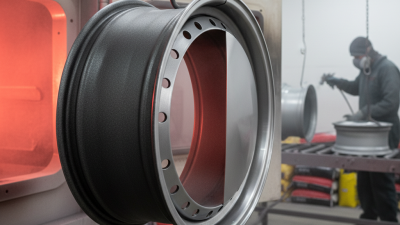
Alloy powder coating is an innovative finishing technique. It offers a durable and attractive surface. The process involves applying fine powder to metal surfaces, which is then cured at high temperatures. This creates a strong bond that is resistant to chipping and fading.
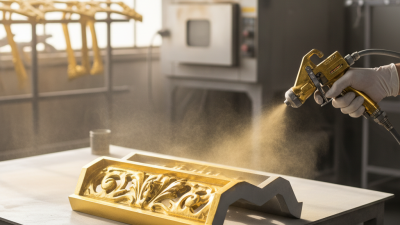
Understanding the process is vital. The powder particles are electrically charged to ensure even coverage. Application is often done with a spray gun, but imperfections can occur. Uneven surfaces may lead to clumping or excess powder buildup. It’s essential to evaluate your surface preparation meticulously. Any dust or grease can alter the final finish.
Proper curing time is crucial as well. Each alloy may have a unique ideal temperature for curing. Over or under-curing can result in a mismatched finish. Observing these details enhances quality. Observing test samples can improve expectations. All of this emphasizes that practice and patience are key to perfecting alloy powder coating.
Equipment and Materials Needed for Alloy Powder Coating
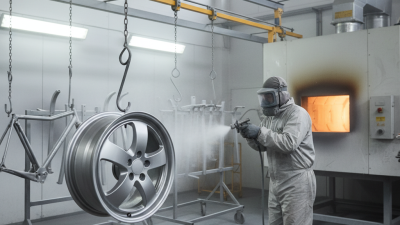
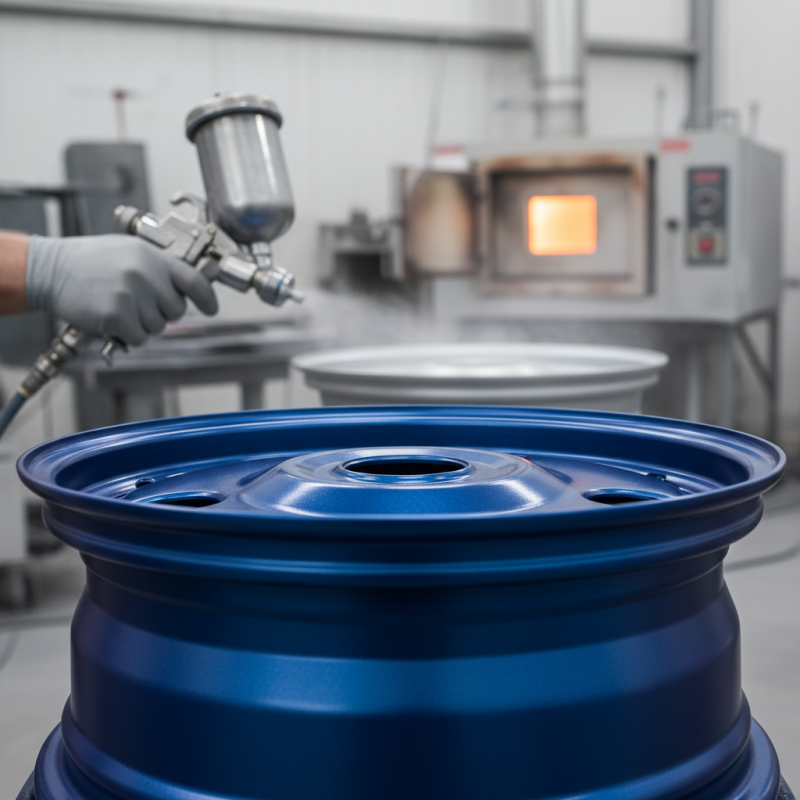
To achieve a superior finish with alloy powder coating, you need specific equipment and materials. An efficient powder coating system includes a spray gun, a curing oven, and an air compressor. The spray gun allows for even application, while the curing oven ensures a durable finish. It's crucial to pick the right size of the oven to accommodate your items. An air compressor is essential for providing the right air pressure during the coating process.
In addition, you'll need high-quality alloy powder that matches your project requirements. This powder comes in various colors and finishes. Be sure to mix the powder thoroughly before application, as inconsistent mixtures can lead to uneven coverage. Remember to wear protective gear, such as gloves and masks, to safeguard against any potential hazards during the process.
Adjusting the spray technique may take practice. Achieving a consistent coating is not always straightforward. Pay attention to the coating thickness. Too thick can cause drips, while too thin may not provide adequate protection. Each step requires careful reflection and adjustments. Mistakes can be valuable learning opportunities, leading to a better understanding of the entire powder coating process.
Step-by-Step Process of Applying Alloy Powder Coating
Applying alloy powder coating involves a specific step-by-step process for achieving a superior finish.
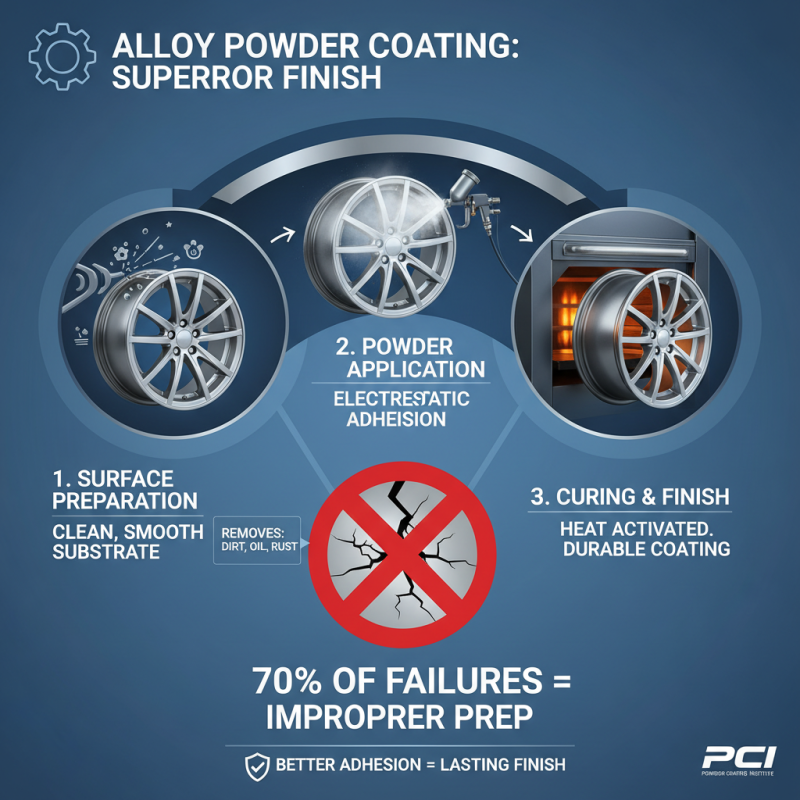
The first step is surface preparation. Clean the item thoroughly to remove any oils, dirt, or rust.
This can be done using solvents or abrasive blasting. According to industry data, proper surface prep accounts for over 70% of coating performance.
Next, apply the powder. Using an electrostatic spray gun helps to evenly distribute the powder. This method ensures even coverage and minimizes waste.
For best results, hold the gun about 12 inches away from the surface. An optimal atomization setting is crucial for a flawless application.
After applying the powder, curing is essential. This involves placing the coated item in an oven at a specific temperature, typically
around 350°F-400°F, depending on the powder type. The curing process melts the powder into a uniform, durable coating.
It's worth noting that uneven curing can lead to a flawed finish, so monitoring the temperature is vital.
Tips: Always double-check your equipment before starting. Proper maintenance of your spray gun enhances efficiency. Also,
practice on a scrap piece first to refine your technique. This helps avoid costly mistakes in the long run.
Inconsistency in application may occur if the environment is not controlled. Humidity can impact powder adherence, which is something to keep in mind.
Tips for Achieving a Superior Finish with Alloy Powder Coating
Achieving a superior finish with alloy powder coating requires careful attention to detail. Surface preparation is critical. A clean, smooth substrate ensures adhesive properties of the powder. According to a report by the Powder Coating Institute, 70% of finish failures stem from improper surface preparation. Contaminants can include dirt, oil, or rust. Removing all debris guarantees better adhesion.
Temperature and humidity during application also play significant roles. The ideal conditions are around 70°F with low humidity. Deviating from this can lead to defects. For example, if the air is too humid, it may cause the powder to clump, affecting the application process. Given that approximately 60% of coatings fail due to environmental factors, monitoring these conditions is essential.
Finally, curing processes must not be overlooked. Each coating has a specific curing temperature and time. Failure to adhere to these specifications may result in a subpar finish. A recent study revealed that around 30% of coatings under-cured due to improper heat settings. Evaluate your equipment and maintain precise control over these elements to enhance the durability and appearance of the finish.
Common Issues and Solutions in Alloy Powder Coating Application
Alloy powder coating can deliver a stunning finish, but common issues can arise during the application process. One frequent problem is uneven coverage. This can occur if the coating is not applied consistently. Ensure your spray method is steady, and adjust the nozzle distance. Too much distance can lead to a dusty finish, while too little can create runs.
Another issue is poor adhesion. If the surface is not properly prepped, the coating may flake off over time. It's crucial to clean the metal thoroughly. Remove any grease, dirt, or rust. Using a sandblaster can enhance surface texture, promoting better bonding. Sometimes, environmental factors like humidity can affect adhesion too.
**Tip:** Always test on a sample piece before full application. This way, you can identify problems early. Additionally, inspect your work area for dust and debris. Keeping the environment clean helps avoid imperfections in the finish.
Lastly, be aware of color mismatches. This can happen when different batches of powder are used. Mix powders thoroughly before applying to maintain consistency. Monitor your application equipment; worn-out spray guns can lead to inconsistencies. Regular maintenance is key to achieving that high-quality finish.
2026 Alloy Powder Coating Application Challenges
This bar chart illustrates common issues encountered in the alloy powder coating application process. The metrics demonstrate the percentage of impact each challenge poses to achieving a superior finish. Proper attention to these areas can help improve results and reduce defects.