How to Apply Fluorocarbon Powder Coating for Durable Finishes?
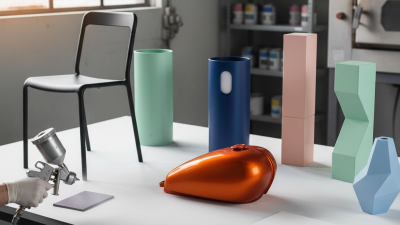
Fluorocarbon Powder Coating is increasingly popular for its durability and longevity. Industry expert, Dr. Sarah Collins, noted, "This coating provides an excellent barrier against corrosion." Many users appreciate the aesthetic appeal of the finish. The process, however, requires meticulous attention to detail.
Applying Fluorocarbon Powder Coating can be challenging. Surface preparation is critical to ensure proper adhesion. A clean and smooth surface leads to the best results. Achieving the right temperature during application is also vital. Too hot or too cold can ruin the finish.
While the benefits are significant, challenges exist. Not every surface is suitable for this coating. The right equipment must be used for optimal results. Missteps in the process can lead to disappointing outcomes. Continuous learning and practice are essential for mastery. Understanding both the potential and pitfalls is key to success with Fluorocarbon Powder Coating.
Understanding Fluorocarbon Powder Coating and Its Benefits
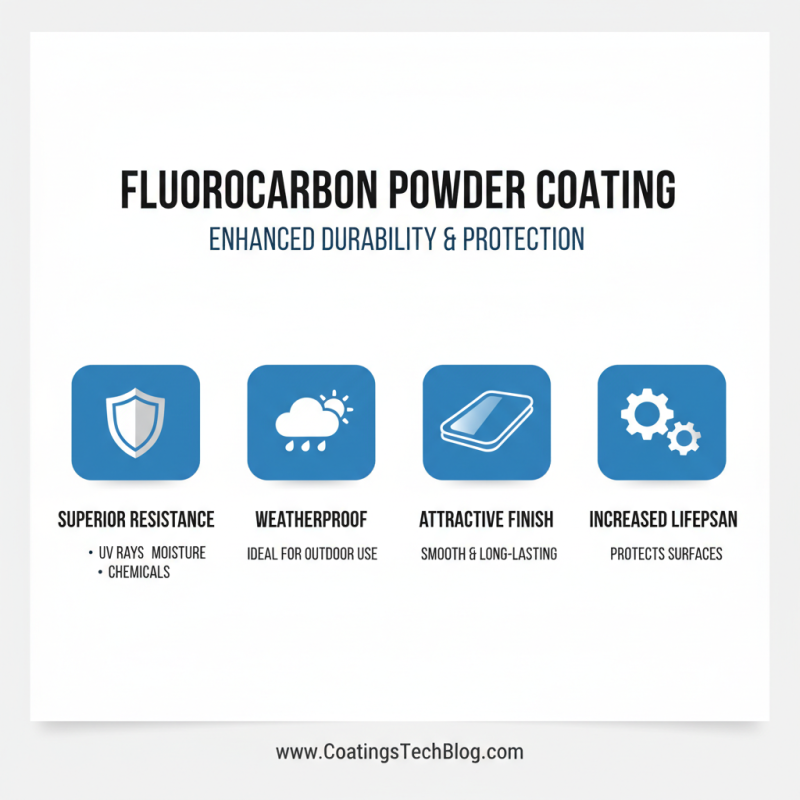
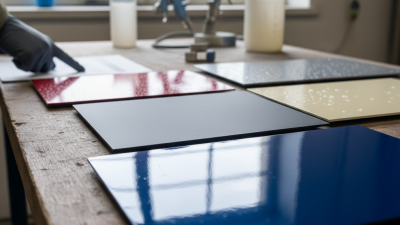
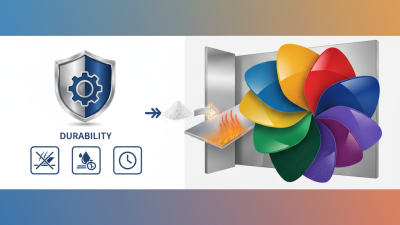
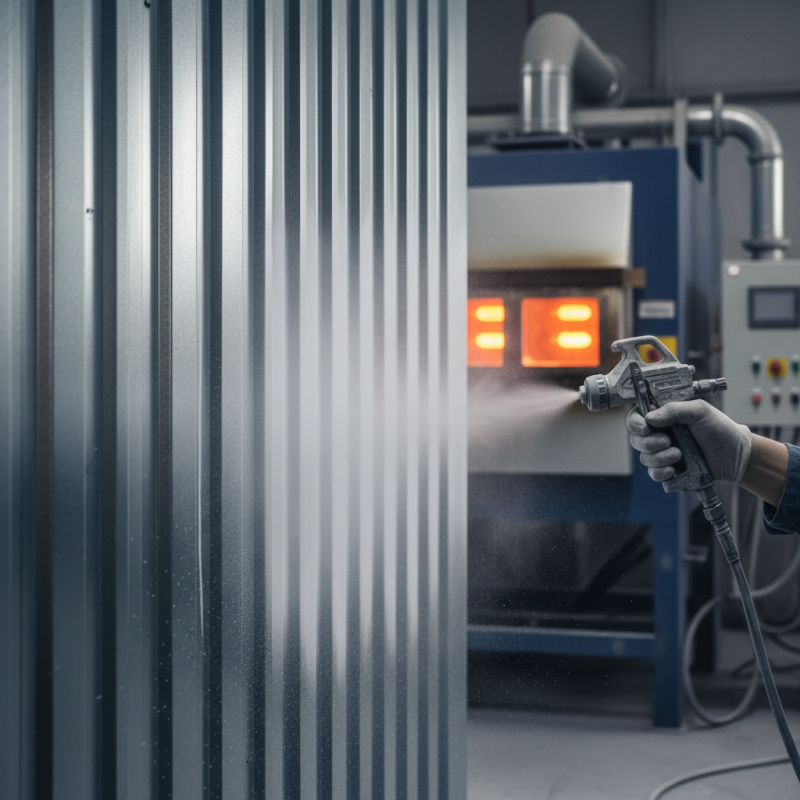
Fluorocarbon powder coating provides a unique finish that enhances the durability of surfaces. This type of coating is known for its resistance to harsh weather conditions. It protects against UV rays, moisture, and chemicals, making it ideal for outdoor applications. Items coated with fluorocarbon have a smooth and attractive finish, which is not only appealing but also long-lasting.
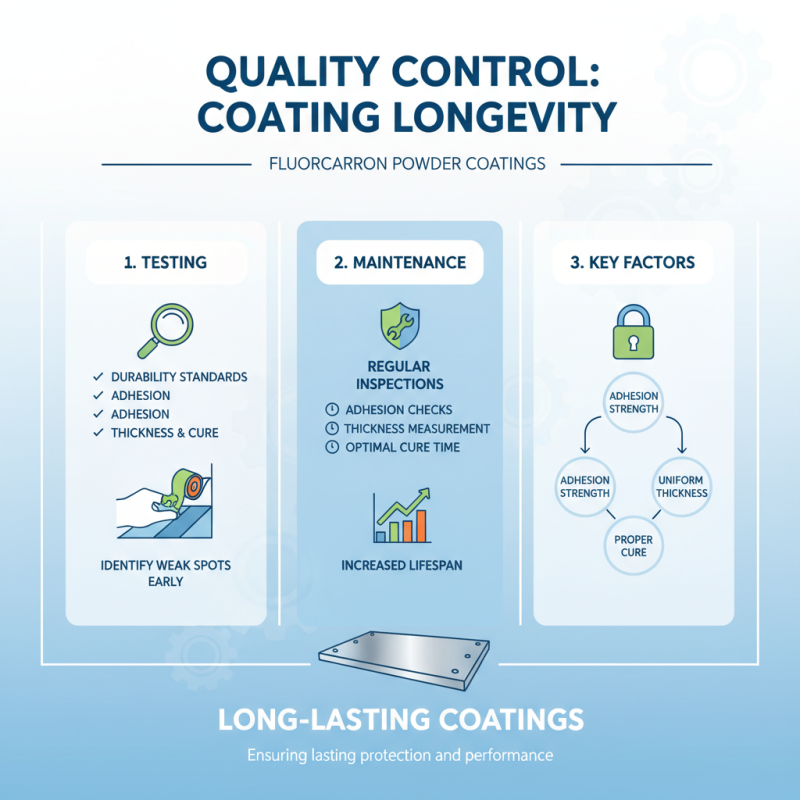
Applying fluorocarbon powder coating requires precise techniques. The surface must be clean and well-prepared before application. Proper curing is essential for achieving the desired hardness and longevity. Inadequate curing might lead to poor adhesion and diminished performance, thus it’s crucial to monitor the curing process closely. Many users discover that the coating may show imperfections that require attention. Learning from these experiences can significantly improve the application process.
The benefits of fluorocarbon powder coating extend beyond durability. The finish is also eco-friendly, often reducing waste compared to traditional liquid coatings. Its ability to maintain color and gloss over time is remarkable. However, some may find the initial setup and equipment costs daunting. Reflecting on these aspects before starting a project can lead to better choices in the long run.
Surface Preparation Techniques for Optimal Adhesion in Powder Coating
Surface preparation is crucial for achieving optimal adhesion in powder coating. Without proper preparation, the coating may peel or chip easily. Start by cleaning the surface thoroughly. Use a degreaser to remove oils and dust. This step may require more effort than expected. Even small residues can compromise the finish.
Next, consider abrasive blasting or sandblasting the surface. This technique removes rust and old coatings. It creates a rough texture, which helps the powder adhere better. However, this process can introduce inconsistencies. You might notice uneven areas or missed spots. Taking time to inspect thoroughly is essential.
Finally, apply a suitable primer if necessary. This step is sometimes overlooked but can enhance adhesion. Choose a primer formulated for use with powders. It can act as a bonding agent for better results. Remember, impatience can lead to mistakes here. Assessing the surface condition before coating greatly influences the final outcome.
How to Apply Fluorocarbon Powder Coating for Durable Finishes? - Surface Preparation Techniques for Optimal Adhesion in Powder Coating
| Preparation Technique |
Description |
Importance |
Recommended Tools |
| Surface Cleaning |
Removes oils, dirt, and contaminants from the surface. |
Essential for adhesion and preventing defects. |
Degreasers, Solvents |
| Mechanical Abrasion |
Roughens the surface to enhance coating adhesion. |
Increases surface area for bonding. |
Sanders, Abrasive Pads |
| Chemical Etching |
Uses acids to create a textured surface. |
Enhances adhesion for certain substrates. |
Etching Solutions, Brushes |
| Rinsing |
Eliminates residual cleaning agents or etchants. |
Prevents chemical interference with coating. |
Water Rinse, Spray System |
| Drying |
Removes moisture before powder application. |
Ensures optimal adhesion and finish quality. |
Heated Ovens, Air Drying |
Application Process: Step-by-Step Guide to Fluorocarbon Powder Coating
Fluorocarbon powder coating is a process that provides excellent durability and resistance to environmental factors. Following a structured application process can ensure optimal results.
Begin by preparing the surface. Clean it thoroughly, removing any dust or oil. The surface should be free of imperfections. Studies indicate that defective surfaces can lead to a 30% decrease in adhesion. Ensure you inspect the substrate for corrosion, which can compromise the coating's integrity.
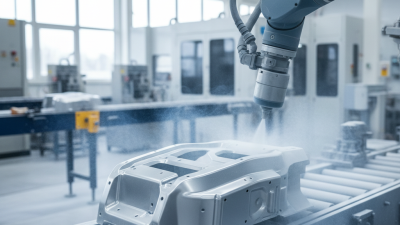
Next, apply a primer if necessary. Some substrates benefit substantially from this additional layer. Once primed, the powder can be applied using an electrostatic sprayer. This method enhances the coating's even distribution. Coverage should be uniform, aiming for around 70 microns in thickness.
Tips for success: Always maintain the correct spray distance. A distance of 12 inches is recommended for optimal coverage. After applying the powder, cure it in an oven at the specified temperature. This step is crucial. Ignoring temperature guidelines can lead to subpar finishes.
Lastly, allow the coated item to cool before handling. Cooling alters the finish, contributing to its durability. Consider conducting a scratch test to evaluate adhesion. A smooth finish can enhance the aesthetic appeal but might require rework if defects appear. Regular evaluations can inform process improvements over time.
Curing: Importance of Temperature and Duration for Durable Finishes
Curing is a critical step in applying fluorocarbon powder coating. The chosen temperature and duration greatly affect the final finish. Research shows that optimal curing temperatures range from 350°F to 400°F. If temperatures are too low, the coating may not cure properly. This can lead to weak adhesion and poor durability.
Duration is also vital. Curing times typically span between 10 to 30 minutes. Inadequate duration results in incomplete chemical reactions. This can compromise the coating’s hardness and resistance to wear. A study published in the Journal of Coatings Technology revealed that insufficient cure can reduce the mechanical properties of the finish by up to 40%.
It’s crucial to balance temperature and time. Too high a temperature can cause the coating to degrade, leading to discoloration. Conversely, insufficient curing can leave the surface vulnerable to scratches and chemicals. Attention to detail in this phase can mean the difference between a successful application and a need for touch-ups.