10 Essential Tips for Perfecting Ultrafine Powder Coating Techniques?
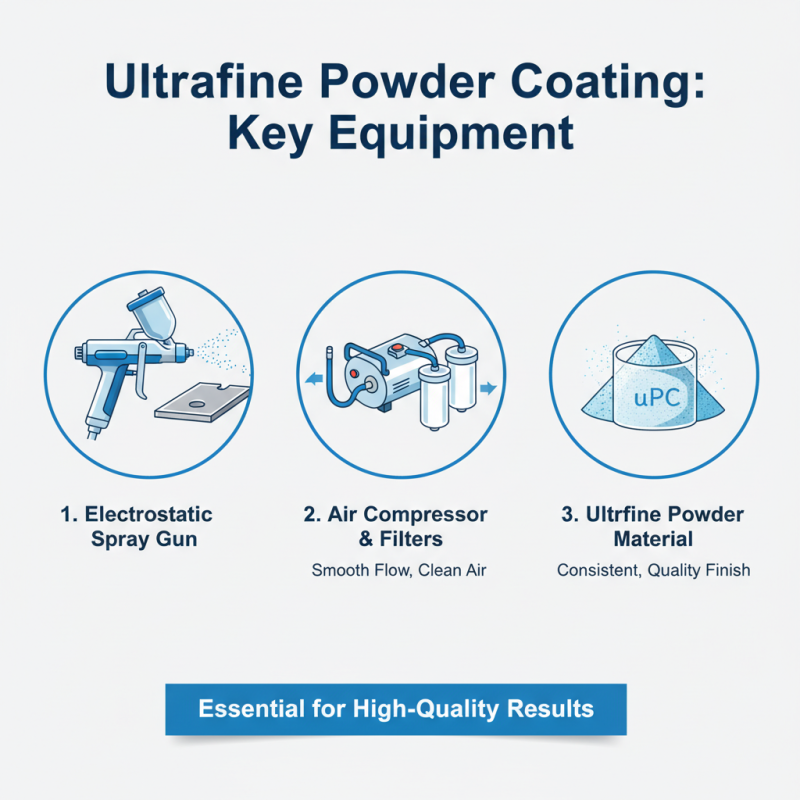
Ultrafine Powder Coating has gained considerable attention in various industries for its superior finish and durability. Achieving a perfect coat requires a blend of skill, technique, and the right tools. Key factors such as material selection, application method, and curing process play significant roles. Each element must align to produce optimal results, which can be challenging.
While many techniques exist, perfection in Ultrafine Powder Coating often eludes even experienced professionals. Small errors in powder application can lead to uneven finishes or poor adhesion. It’s crucial to constantly evaluate and refine your approach. A moment of oversight can disrupt an entire project.
The art of Ultrafine Powder Coating combines science and creativity. Striving for the best results means embracing both successes and failures. Learning from each application fosters growth. Through careful practice, the journey toward mastering these techniques can yield impressive outcomes. Understanding these essentials is vital for anyone looking to enhance their skills in this field.
Understanding Ultrafine Powder Coating and Its Applications
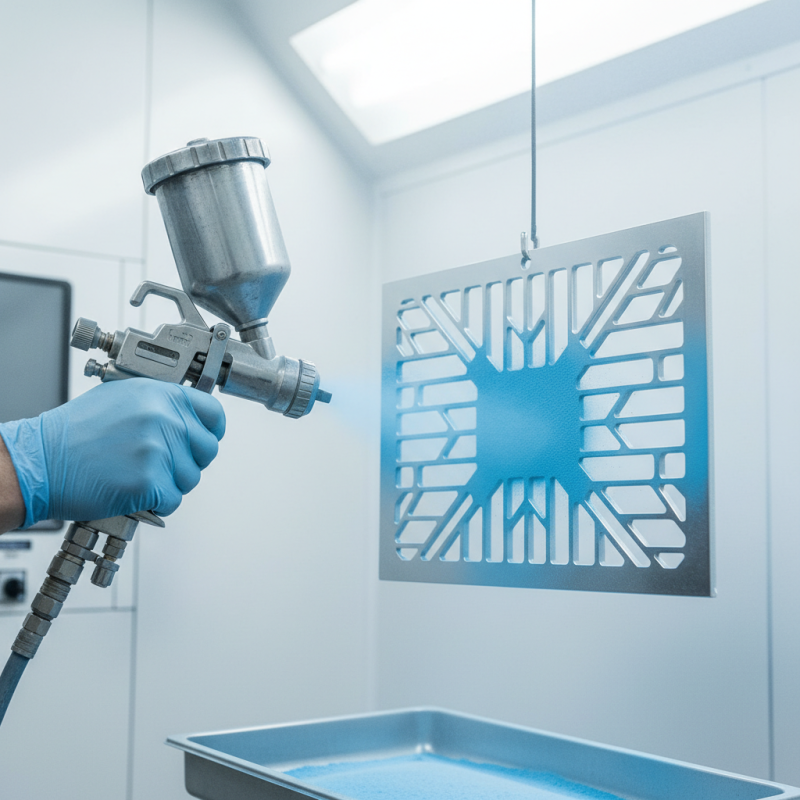
Ultrafine powder coating is a versatile process used in various industries. This technique involves using extremely fine particles, typically under 10 microns. These particles provide a smoother and more durable finish compared to traditional coatings. The coating process can create a uniform layer that enhances surface strength and appearance. Understanding this method is crucial for achieving optimal results.
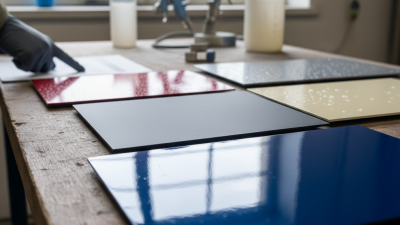
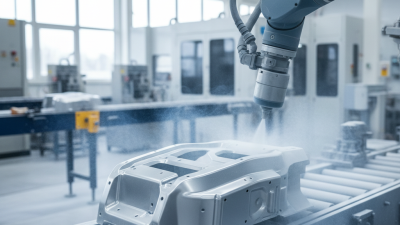
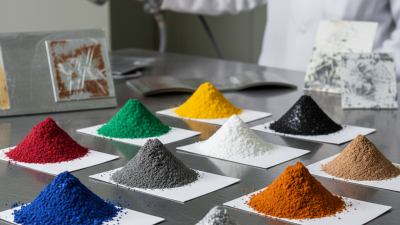
Applications of ultrafine powder coating are vast. It is commonly used in automotive parts, electronics, and household appliances. The process allows for a range of colors and finishes, catering to diverse client preferences. However, achieving the perfect coating requires attention to detail. Improper application can lead to flaws such as uneven surfaces or poor adhesion. Regularly inspecting equipment and maintaining environmental conditions are necessary for quality assurance. Reflecting on the challenges faced can lead to improvements in technique and application methods.
Step-by-Step Preparation Process for Coating Surfaces
Preparing surfaces for ultrafine powder coating is crucial for achieving optimal results. Start with cleaning the surface thoroughly. Dust, grease, and grime can lead to defects. Use a degreaser and rinse well, ensuring no residue remains. Pay attention to details; even minor contaminants can cause issues during application.
Next, focus on surface roughness. Sanding or using a shot blaster creates the ideal texture for adhesion. Ensure consistent coverage to prevent weak spots. After that, wash the surface again to eliminate particles from the sanding process. Dry it completely before moving on.
Lastly, consider the environment. Humidity and temperature can significantly affect powder coating. Keep the workspace clean and controlled. Imperfections may still occur despite your best efforts. If problems arise, analyze your process and adjust accordingly. Learning from each project will improve your technique over time.
10 Essential Tips for Perfecting Ultrafine Powder Coating Techniques
Techniques for Achieving Optimal Coating Thickness and Finish
Achieving optimal coating thickness and finish is crucial in ultrafine powder coating techniques. Industry reports indicate that maintaining a consistent powder feed rate enhances the coating's uniformity. A feed rate of around 5 to 10 grams per minute is often recommended for precision application. This controls the thickness, ensuring a smooth finish with minimal defects.
Moreover, the curing process significantly impacts the final appearance. Studies show that curing temperatures around 180°C for 20 minutes yield the best results. However, inconsistencies in oven temperature can lead to uneven coatings. It's vital to monitor the temperature closely. Utilizing thermal imaging technology can help identify hot spots in the curing chamber.
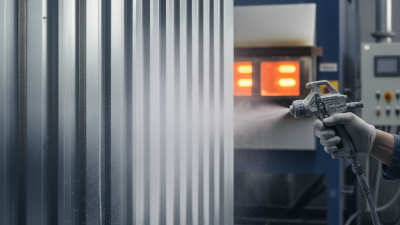
Another crucial factor is the electrostatic charge applied to the powder. Higher voltages can produce a more even coat but may also lead to issues like thick spots or orange peel textures. Experimentation with different voltages is necessary to find the right balance. Balancing these elements can be challenging but is essential for achieving that glossy, flawless finish desired in ultrafine coatings.
10 Essential Tips for Perfecting Ultrafine Powder Coating Techniques
| Tip Number |
Technique |
Description |
Ideal Thickness (Microns) |
| 1 |
Surface Preparation |
Ensure the surface is clean and free from contaminants for better adhesion. |
50-70 |
| 2 |
Proper Powder Selection |
Choose the right type of powder based on the application and desired finish. |
30-60 |
| 3 |
Consistent Application |
Use consistent application techniques to avoid uneven thickness. |
40-80 |
| 4 |
Optimal Gun Settings |
Adjust the powder coating gun settings for optimal powder flow and charge. |
40-60 |
| 5 |
Proper Curing |
Use the correct curing temperature and time to ensure durability. |
50-70 |
| 6 |
Monitoring Environmental Conditions |
Control humidity and temperature levels in the workspace. |
Varies |
| 7 |
Regular Maintenance |
Regularly clean and maintain equipment to ensure optimal performance. |
N/A |
| 8 |
Testing and Quality Control |
Implement a quality control process to test coating adhesion and thickness. |
40-100 |
| 9 |
Use of Electrostatic Charge |
Utilize electrostatic charge to improve powder adhesion on surfaces. |
40-80 |
| 10 |
Final Finishing Techniques |
Consider post-curing processes, such as polishing or additional layers. |
30-70 |
Common Challenges in Ultrafine Powder Coating and Solutions
Ultrafine powder coating offers a sleek finish, yet it comes with challenges. One major issue is achieving uniform particle size. According to industry data, inconsistent particle size can lead to uneven coatings. Studies show that powders with a size variation greater than 10% often fail to deliver optimal adhesion. This results in compromised durability and aesthetic appeal, leading to increased rework costs.
Another common challenge is poor flow properties. Inadequate flow can lead to clumping and uneven coverage on surfaces. A report by the Powder Coating Institute highlights that 25% of coating defects arise from flow-related issues. To combat this, utilizing additives that enhance flow and cohesion is critical. However, not all additives produce the same results, and testing is essential to find the best fit for specific applications. Proper equipment calibration is also vital.
Touch-up processes can be problematic. Achieving a seamless repair on ultrafine coatings requires skill and precision. Even minor mismatches can lead to visible defects, diminishing the overall quality. Continuous training and evaluation of technicians can improve outcomes, yet variabilities in application technique often lead to inconsistent results. Recognizing and addressing these challenges is crucial for advancing powder coating practices.