How to Choose the Best Fluorocarbon Powder Coating for Your Needs?
Choosing the right Fluorocarbon Powder Coating is essential for various industries, including automotive and aerospace. A recent report from the Global Powder Coating Market projected that the demand for fluoropolymer coatings will increase by 25% over the next five years. This growth highlights the importance of selecting optimal materials for specific applications.
Industry expert Dr. Jane Smith emphasizes that "the longevity and performance of coatings are significantly influenced by their chemical composition." This insight underscores the complexities involved in the selection process. Fluorocarbon coatings offer exceptional resistance to chemicals and weather, making them ideal for challenging environments. However, not all coatings are created equal, and understanding the nuances can be daunting.
There are numerous options available, and each application may require different properties. Factors such as the intended use, environment, and required durability must be considered carefully. The multitude of choices can lead to confusion, making it critical for manufacturers to analyze their specific needs. Selecting the right Fluorocarbon Powder Coating is not just about color or finish; it is about achieving the best performance for your project.

Understanding Fluorocarbon Powder Coating and Its Benefits
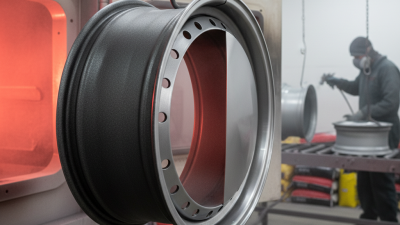
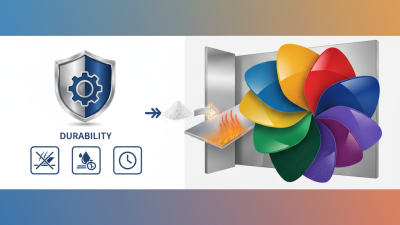
Fluorocarbon powder coating is a versatile finish. It provides outstanding protection against harsh environmental conditions. This type of coating is often used in industries like automotive and aerospace. Its ability to resist chemicals and UV light is impressive. The durability makes it a popular choice for both indoor and outdoor applications.
When selecting a fluorocarbon powder coating, consider several key factors. The thickness of the coating matters. Thicker coatings often offer better protection but can also increase the weight. The finish type is another crucial aspect. Glossy finishes enhance aesthetics but can show imperfections more easily. On the other hand, matte finishes hide surface flaws better.
Tips for choosing the best coating: Focus on the application environment. If the item is exposed to the sun, ensure the coating provides UV protection. Also, think about the surface preparation. A clean surface will yield better results. Conduct a test application if possible. This step helps to evaluate the adhesion and appearance. Experiment first before fully committing.
Factors to Consider When Choosing Fluorocarbon Powder Coating
When selecting the right fluorocarbon powder coating, several key factors come into play. First, consider the specific application requirements. Different industries demand varying levels of durability, chemical resistance, and environmental exposure. A coating meant for outdoor use may need enhanced UV protection, while a product for indoor applications might prioritize aesthetic finishes.
Another important factor is the texture and appearance of the coating. Smooth finishes often repel dirt, making maintenance easier. However, textured finishes can hide imperfections better. Think about how the final look will impact your project. Sometimes, the initial color selection might not remain appealing over time. Reflect on potential fading and the long-term relationship you’d like with the product.
Lastly, consider the environmental impact of the coating. Look for options that align with eco-friendly practices. While a seemingly durable coating may have a shorter lifecycle, understanding its composition is vital. Solid research here fosters not only reliability but also resonated choices for your needs.
How to Choose the Best Fluorocarbon Powder Coating for Your Needs? - Factors to Consider When Choosing Fluorocarbon Powder Coating
| Factor |
Description |
Importance Level |
| Chemical Resistance |
Ability to withstand harsh chemicals without degradation. |
High |
| UV Resistance |
Resistance to fading and deterioration from sunlight exposure. |
Medium |
| Durability |
Longevity and wear resistance during its lifecycle. |
High |
| Color Retention |
Ability to maintain original color without significant fading. |
Medium |
| Application Method |
The technique employed to apply powder coating effects on surfaces. |
Low |
| Environmental Impact |
Assessment of sustainability and low VOC emissions. |
High |
Evaluating Application Methods for Fluorocarbon Powder Coatings
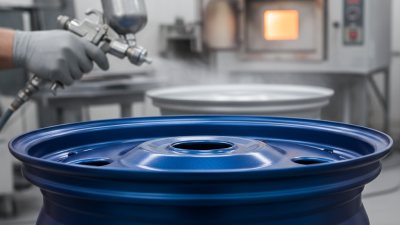
When selecting a fluorocarbon powder coating, the application method is crucial. Each method offers different advantages and challenges. For instance, electrostatic spray application ensures even coverage and efficiency. However, it requires specialized equipment and skilled operators. Improper technique can lead to waste and uneven finishes.
Another common method is fluidized bed application, which suits large parts. This technique allows for complete coverage but can be harder to achieve on intricate shapes. It also generates dust, which may pose environmental concerns. Operators must be trained to handle the materials safely and efficiently.
Some users opt for manual application. While this method offers flexibility, it might result in inconsistent coatings. Ensuring a quality finish relies on the applicator's skill and experience. Each method has its trade-offs; understanding these nuances helps make a better choice. Reflecting on past experiences can aid in selecting the most suitable application for specific projects.
Comparing Different Brands and Their Product Specifications
When selecting a fluorocarbon powder coating, brand comparisons are crucial.
Each brand offers unique properties, formulation specifics, and performance metrics. Industry reports indicate that
different formulations can drastically affect durability and chemical resistance. For example, some brands have up
to 90% resistance against solvents, while others may
only offer 50%. Evaluating such properties is essential for
applications in harsh environments.
Application methods also vary among brands. Some excel in electrostatic spray applications, while others focus
on fluidized bed methods. The right choice depends on your specific needs. Research shows that
improper application can lead to significant performance issues. Overheating during
curing may reduce mechanical properties by 30% or more.
Cost is another vital consideration. Price doesn’t always reflect quality. Some cost-effective options underperform,
leading to increased maintenance costs. Manufacturers' specifications should indicate their thermal and mechanical
performance in detail. Seek out independent testing data to verify claims. Many professionals find it beneficial
to consult with experts. It helps avoid common pitfalls in the
selection process.
Ensuring Compatibility with Your Project Requirements
When selecting a fluorocarbon powder coating, it’s essential to ensure compatibility with your project requirements. Different applications require specific characteristics, such as flexibility, durability, or resistance to chemicals. Assess the environment where your coated products will be used. Will they face extreme temperatures or exposure to harsh chemicals? This understanding will guide your choice.
Consider the substrate materials you will coat. Some coatings adhere better to specific metals or plastics. Testing different combinations can yield surprising results. It’s often necessary to experiment with sample sizes before deciding on a final product. This trial-and-error method may seem inefficient, but it can lead to discovering an ideal match. Don’t overlook the manufacturer’s recommendations regarding surface preparation, as they can significantly influence the coating's effectiveness.
You may face unexpected challenges during application. Variations in humidity or temperature can impact the curing process. Observing these factors closely can ensure a more successful finish. Document your findings for future projects. This continuous learning will improve your decision-making in the long run. Compatibility isn’t just about the coating; it’s about how it will perform in your specific context. Always remain open to adjustments and improvements based on real-world experiences.