Why Choose Epoxy Powder for Your Coating Needs?
In the competitive world of industrial coatings, Epoxy Powder stands out as a premier choice for many applications. Reports from market research firms like Grand View Research anticipate the epoxy powder market will reach $6.9 billion by 2027, highlighting a significant growth trajectory. The durability, flexibility, and resistance to diverse environmental factors make Epoxy Powder an ideal solution for various industries.
Expert John Smith, a leading figure in coating technology, emphasizes, “Epoxy Powder provides unmatched performance and longevity.” This sentiment is echoed by numerous industry stakeholders. Companies prioritizing quality choose Epoxy Powder for its long-lasting finish and resilience against impacts. The powder’s ability to provide a smooth, attractive surface further enhances its appeal for manufacturers.
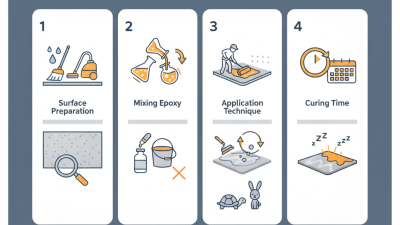
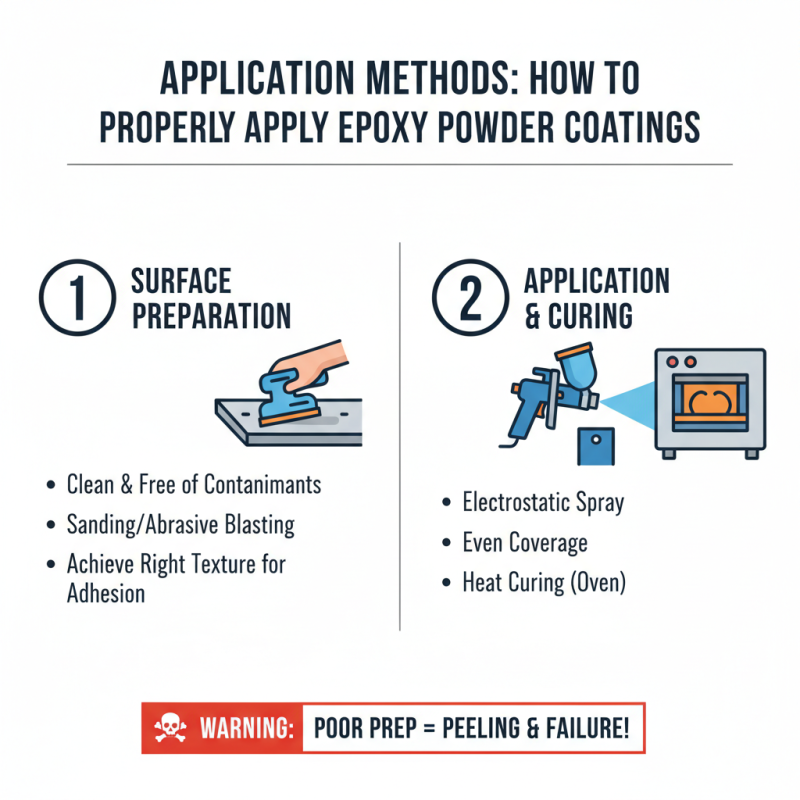
However, using Epoxy Powder is not without challenges. The application process requires precision and expertise. Inadequate surface preparation can lead to poor adhesion and performance issues. As industries evolve, a thorough understanding of the benefits and potential pitfalls is essential for making informed choices regarding Epoxy Powder coatings.
Advantages of Epoxy Powder Coatings Over Traditional Coatings
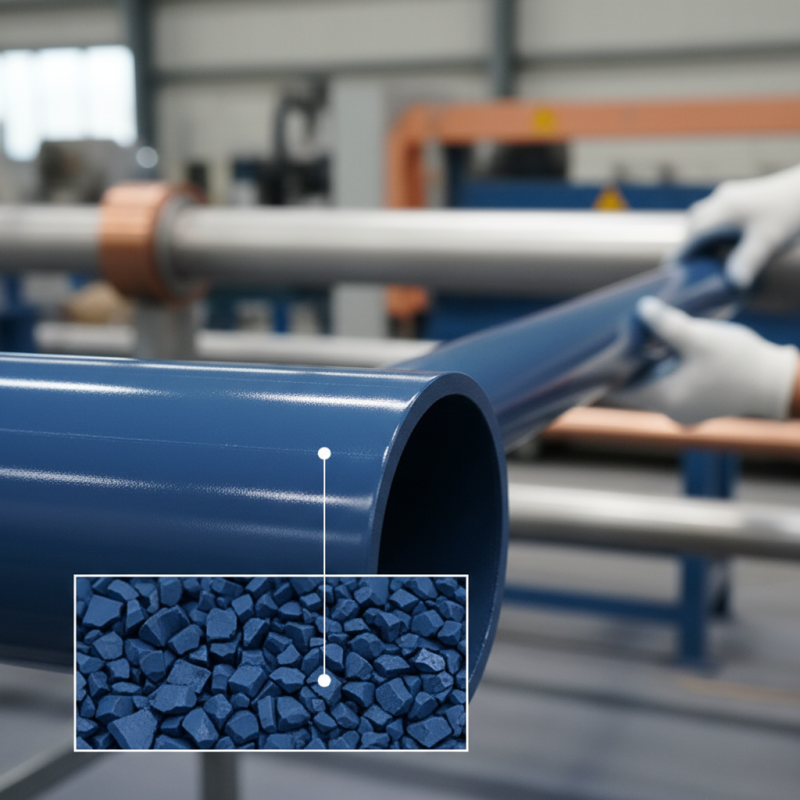
Epoxy powder coatings offer numerous advantages compared to traditional coatings. One significant benefit is their superior durability. When applied correctly, these coatings resist scratches, chipping, and corrosion. This protection extends the lifespan of surfaces, making them ideal for industrial applications. In harsh environments, epoxy excels, ensuring longevity and performance.
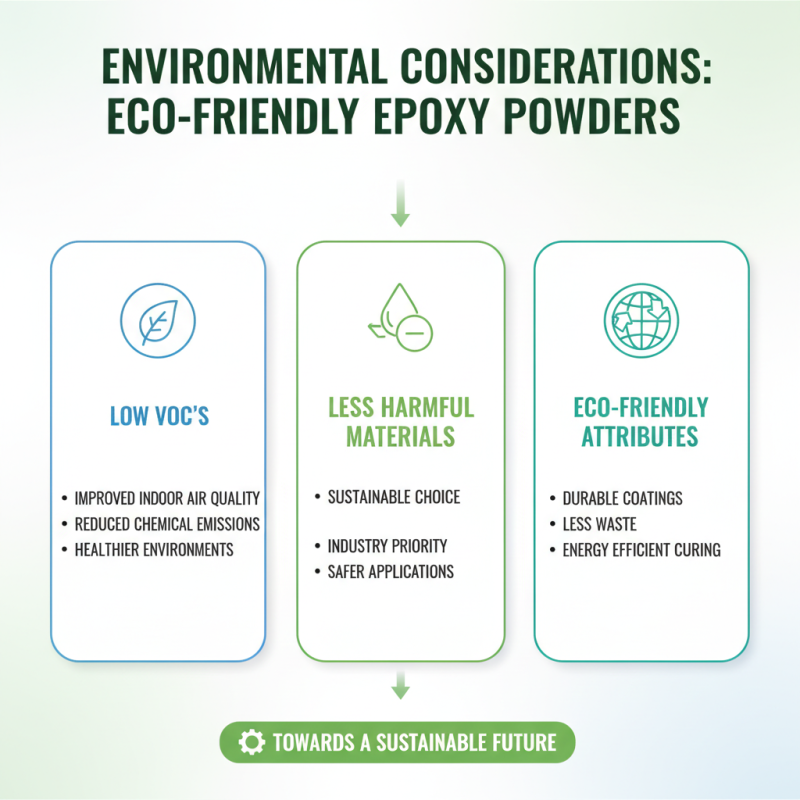
Another advantage is the wide variety of finishes available. Epoxy powder can achieve various textures and colors, allowing customization tailored to specific needs. This flexibility makes it suitable for a range of industries, from automotive to construction. The application process eliminates the use of solvents, resulting in less environmental impact.
Despite the benefits, there are challenges. Application requires precise conditions for optimal results. Improper techniques can lead to uneven surfaces or subpar adhesion. Understanding these nuances is vital for effective use. Making mistakes can be frustrating but can also offer valuable lessons. Learning through experience is essential in mastering the application of epoxy powder coatings.
Why Choose Epoxy Powder for Your Coating Needs? - Advantages of Epoxy Powder Coatings Over Traditional Coatings
| Feature |
Epoxy Powder Coatings |
Traditional Coatings |
| Durability |
Excellent resistance to scratches, impacts, and chemicals. |
Moderate durability, prone to chips and scratches. |
| Environmental Impact |
Low VOC emissions; more environmentally friendly. |
Higher VOC emissions; less eco-friendly. |
| Finish Variety |
Wide range of colors and finishes available. |
Limited colors and finishes, often less vibrant. |
| Application Method |
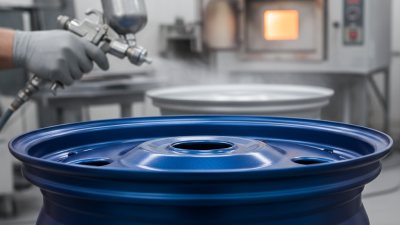
Applied using electrostatic spray, offers smooth and even coating. |
Brush or roller application, may result in uneven coating. |
| Curing Process |
Cured at high temperatures, resulting in a hard finish. |
Air-dried or low-temperature curing, often less durable. |
Durability and Longevity: The Key Benefits of Epoxy Powder
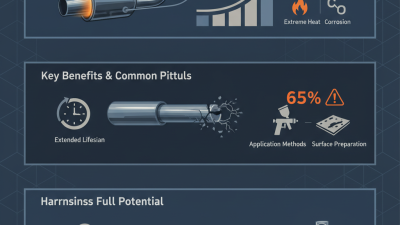
Epoxy powder coatings stand out for their durability and longevity. According to industry studies, these coatings are known to last up to three times longer than traditional liquid coatings. This remarkable lifespan is attributed to their resistance to wear and tear, as well as their ability to withstand harsh environmental conditions. Research from the Powder Coating Institute reveals that epoxy powders offer superior scratch resistance and can handle extreme temperatures without degrading.
Another vital aspect of epoxy powder coatings is their excellent chemical resistance. They can withstand exposure to various chemicals, oils, and solvents. Data from the American Coatings Association indicates that over 70% of facilities using epoxy coatings report reduced maintenance costs due to their resilience. This not only extends the life of the coated surfaces but also improves the overall aesthetic appeal, reducing the need for frequent repainting or repairs.
However, it's essential to acknowledge potential drawbacks. Surface preparation is crucial for optimal adhesion. If not done correctly, the coating may chip or peel over time. Additionally, while epoxy powders excel in protecting surfaces, they may also require a more complex application process. Thus, ensuring the right expertise during application is critical for reaping the full benefits of this innovative coating technology.
Versatility in Use: Industries That Benefit from Epoxy Powder Coatings
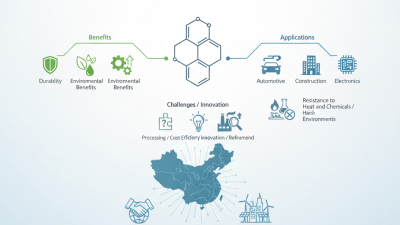
Epoxy powder coatings are increasingly used across various industries due to their remarkable versatility. In automotive manufacturing, for instance, these coatings provide a durable finish that withstands harsh environmental conditions. They resist scratches, chemicals, and UV light, making vehicles look new for longer. In construction, epoxy powder is preferred for its strong adhesion and ability to protect surfaces against corrosion.
Tips: When selecting an epoxy powder coating, consider the surface it will be applied on. Different surfaces may require specific types of epoxy formulations for optimal results.
Furniture manufacturing also benefits immensely from epoxy powder coatings. It adds a sleek finish to metal frames and enhances the durability of surfaces like tables and chairs. The aesthetic options are vast, offering powder coating in almost any color. This versatility allows manufacturers to meet diverse customer preferences.
Tips: Ensure you understand the application method. This can significantly impact the coating's adhesion and overall performance.
The electronics industry frequently uses epoxy powder as well. It protects sensitive components from moisture and dust, ensuring longevity. Companies often find that epoxy powder meets their specific performance needs while providing a reliable, long-lasting finish. Remember, achieving the best results can require testing different epoxy types on your particular materials.