How to Choose the Best Silver Powder Coat for Your Projects?
Choosing the right Silver Powder Coat for your projects can significantly impact the final outcome. In the coatings industry, silver powder coatings are renowned for their durability and aesthetic appeal. According to a recent report from Smith & Associates, the demand for high-quality powder coating is projected to grow by 7% annually. This data highlights the increasing importance of selecting appropriate materials in today's competitive market.
Industry expert Johnathan Steele emphasizes, "Selecting the right Silver Powder Coat is not just about color; it’s about performance." His insight reminds us that while the visual effect is key, functionality must also be central to decision-making. When considering a silver finish, aspects like corrosion resistance and UV stability should be examined closely.
One potential pitfall is underestimating application methods. Improper techniques may lead to unsatisfactory finishes. While silver powder coats offer a sleek appearance, a poorly applied coat can detract from the project's value. It's crucial to balance aesthetic desires with practical application knowledge for optimal results.
Understanding Silver Powder Coating and Its Applications
Silver powder coating is a process that enhances both aesthetics and durability. It provides a metallic finish that is visually striking. This technique is commonly applied in automotive parts, appliances, and furniture. Understanding its properties and applications can help in selecting the best type for your project.
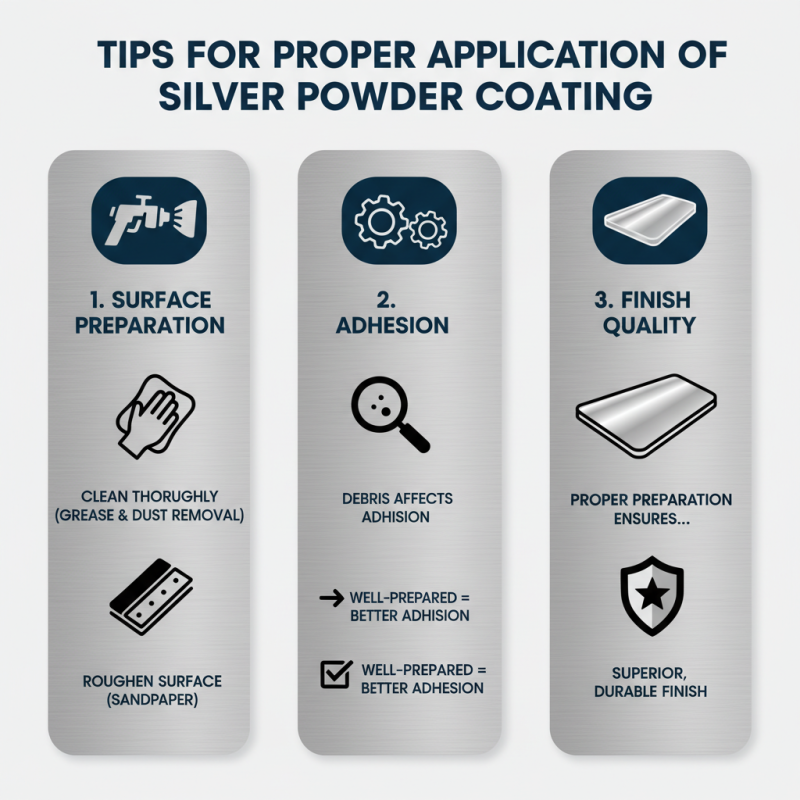
The application of silver powder coating involves several factors. A proper surface preparation is crucial for adhesion. Contaminants on the surface can lead to imperfections or peeling. Different projects might require different grades of powder. Consider factors like heat resistance and environmental exposure when choosing a product.
Silver powder coatings are not just for looks; they offer protection against corrosion. However, achieving the desired finish may require multiple layers or specific curing times. Sometimes, results are not as expected. Uneven coatings can occur, which means attention to detail is essential. Testing on scrap material could help in perfecting the finish before final application.
How to Choose the Best Silver Powder Coat for Your Projects? - Understanding Silver Powder Coating and Its Applications
| Aspect |
Description |
Application |
| Finish Type |
High gloss, satin, or matte |
Varies by project requirements |
| Particle Size |
Fine, medium, or coarse |
Influences texture and application method |
| Durability |
Resistant to chipping and fading |
Ideal for outdoor and industrial uses |
| Application Method |
Electrostatic spray, fluidized bed |
Depends on project scale and equipment |
| Curing Temperature |
Typically around 350°F to 400°F |
Must match substrate to avoid damage |
| Compatibility |
Compatible with various metals |
Suitable for automotive, furniture, and appliances |
Factors to Consider When Choosing Silver Powder Coating
When choosing silver powder coating, several critical factors come into play. The desired finish is paramount. A high-gloss surface may appeal for aesthetics but can show imperfections easily. According to a 2023 industry report, 73% of professionals prefer a semi-gloss finish for its balance of appearance and durability.
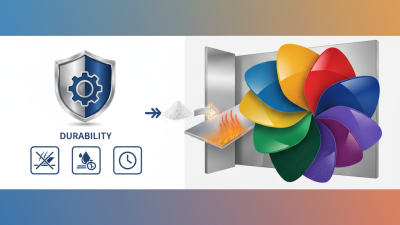
Another vital consideration is the intended application environment. For outdoor projects, select coatings with UV stability. Statistics reveal that UV-resistant coatings enhance lifespan by up to 50%. Industrial settings may require coatings resistant to chemicals and abrasions. In such cases, the choice of resin and additives becomes crucial. Those formulations can greatly influence durability and performance under stress.
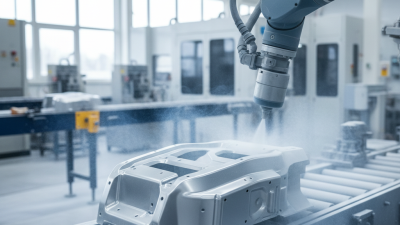
Application technique also impacts the final result. Electrostatic spray, for instance, provides a uniform layer, reducing the chance of uneven coverage. A report noted that up to 30% of coating failures arise from application errors. Understanding drying times and curing conditions is equally important. Improper curing can lead to issues like peeling or discoloration. Seek guidance from experts in the field to ensure the project’s specifications align with the chosen powder coat’s performance traits.
Evaluating Different Silver Powder Coat Finishes
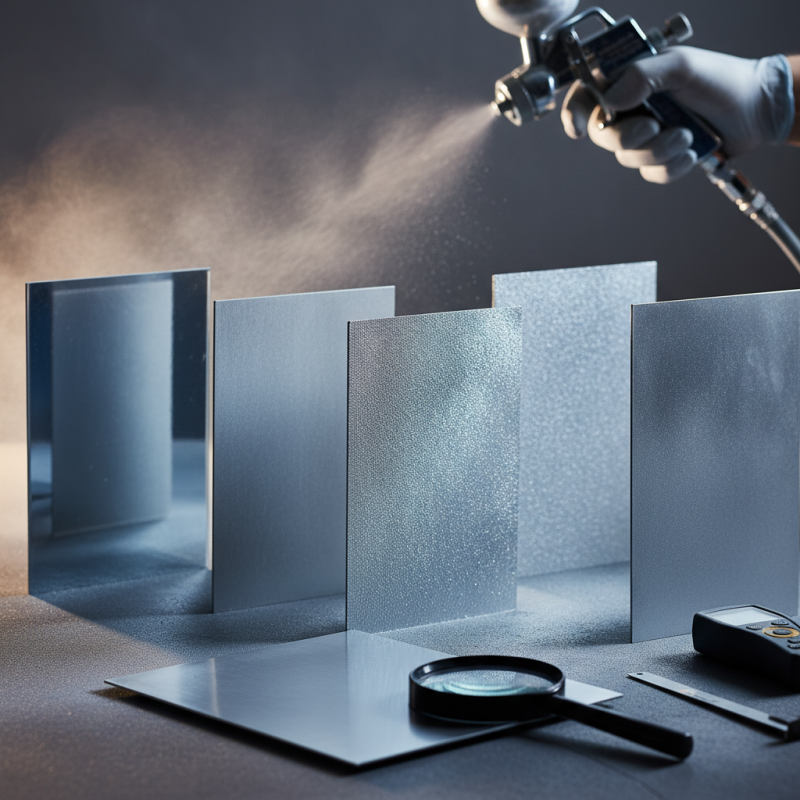
Choosing the right silver powder coat finish is crucial for your project. The finish affects both aesthetics and durability. In evaluating different silver powder coat options, consider the texture, gloss level, and application method. A smooth, glossy finish will reflect light beautifully, enhancing the overall look. On the other hand, a matte or textured finish can hide imperfections and provide a more industrial vibe.
When you assess various silver powder coats, think about the intended use. Will the surface be exposed to harsh conditions? If so, look for finishes that offer enhanced durability and corrosion resistance. However, keep in mind that higher durability often comes with slightly altered color or texture. It’s essential to balance appearance with functionality.
Personal experiences can shape your choice as well. Some finishes may not apply as smoothly as expected. You might encounter issues like uneven coverage or color inconsistencies. If this happens, re-evaluating your technique or prep work may be necessary. Testing small samples before committing to larger quantities can save time and resources. Each project is unique, and what works for one might not work for another, so take the time to experiment.
Comparative Analysis of Different Silver Powder Coat Finishes
This chart illustrates the durability ratings for different types of silver powder coat finishes. Each finish offers unique properties, making them suitable for various applications based on their durability. Glossy finishes tend to provide higher durability, while matte finishes might sacrifice some durability for aesthetic appeal.
Assessing Durability and Performance of Silver Powder Coatings
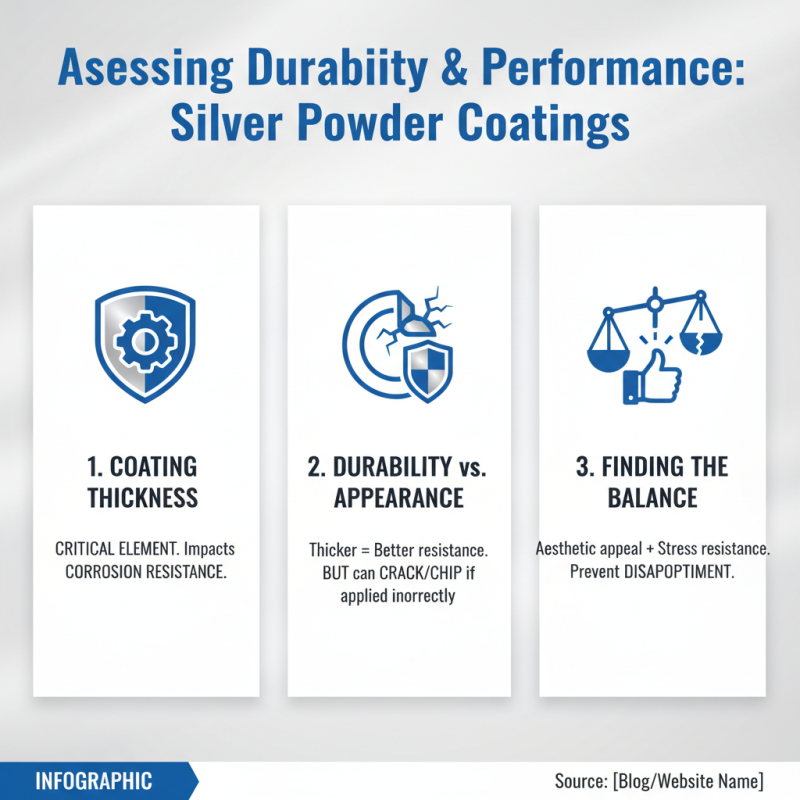
When assessing the durability and performance of silver powder coatings, several factors come into play. One critical element is the thickness of the coating. Thicker layers can provide better corrosion resistance but may also crack or chip if not applied correctly. It's essential to strike a balance between durability and appearance. A coating that looks great but fails under stress can lead to disappointment.
Another factor to consider is the environmental resistance of the powder coat. Some silver coatings can withstand high temperatures, moisture, and UV exposure better than others. This is particularly important for outdoor projects. Performing a simple test can help determine how well a coating holds up under different conditions.
Finally, look at the application process. Improper mixing and curing of the powder can affect the final outcome. Even a minor mistake can compromise the coating's durability. Keep an eye on the specific requirements of each product. Regular assessments of your projects will help you learn what works best, avoiding mistakes in future applications.