How to Choose the Best Plastic Powder Coating for Your Project?
Choosing the best plastic powder coating for your project requires careful consideration. The global powder coating market was valued at approximately $12.3 billion in 2021. It is projected to grow significantly. This growth reflects the increasing demand for environmentally friendly coatings.
Plastic powder coatings offer durability and resistance to wear. They withstand harsh environmental conditions. This makes them suitable for outdoor applications. However, not all coatings are created equal. Factors such as color retention, gloss level, and UV resistance vary.
Evaluating technical data sheets is essential. These documents provide crucial information about performance characteristics. The wrong choice can lead to project delays or increased costs. It’s worthwhile to reflect on past experiences. Each project teaches us something unique about powder coat selection. Ultimately, making an informed choice can enhance both aesthetics and longevity.

Understanding the Basics of Plastic Powder Coating
Plastic powder coating has gained popularity in various industries. It provides a durable finish while being environmentally friendly. According to the Powder Coating Institute, the use of powder coatings has increased by 20% annually in recent years. This growth indicates a shift in preference towards sustainable practices.
Understanding the basics of plastic powder coating is essential. The process involves applying dry powder to a surface and then curing it under heat. The powder melts and forms a solid layer. This results in a smooth, even coating without the need for solvents. However, not all powders are created equal. Properties such as temperature resistance, flexibility, and chemical resistance vary. Choosing the right type is crucial for project success.
Another factor to consider is the finishing options available. Surface texture can significantly affect the final appearance. A study by the American Coatings Association highlights that 55% of consumers prefer matte finishes, while the remaining favor glossy looks. In conclusion, proper research and testing are required to select the ideal plastic powder coating for specific needs. Failure to do so may lead to premature wear or undesirable aesthetics.
Popular Types of Plastic Powder Coatings
Key Factors to Consider When Selecting a Plastic Powder Coating
Choosing the right plastic powder coating is crucial for any project. Start by considering the environment. Will the coated item be used indoors or outdoors? Outdoor items need coatings that resist UV rays and weather conditions.
Next, think about the surface you want to coat. Different materials require specific substrate preparations. For example, metal surfaces need proper cleaning and priming. If not done right, the coating might not adhere well. It's frustrating to see a finish peel or bubble after effort.
**Tips:** Check for certifications on the powder coating. Quality matters for durability and performance. Also, consider the color and texture options available. These can greatly affect the final look and feel of your project.
Pay attention to application methods as well. Some coatings require special equipment, while others are easier to apply. This can impact both your budget and your time. It might be tempting to choose a cheaper option, but this could lead to more long-term costs. Reflect on the balance between expense and quality.
How to Choose the Best Plastic Powder Coating for Your Project? - Key Factors to Consider When Selecting a Plastic Powder Coating
| Factor |
Description |
Considerations |
| Durability |
Resistance to scratches, impacts, and weather conditions. |
Check performance metrics such as hardness and flexibility to ensure suitability for the project. |
| Color Range |
Variety of colors and finishes available. |
Evaluate whether the color options match your design specifications and aesthetic preferences. |
| Application Method |
Different techniques for applying powder coatings. |
Consider the equipment available and the complexity of the application process. |
| Curing Temperature |
Temperature required to cure the coating properly. |
Ensure compatibility with the substrates and machinery used in the project. |
| Environmental Considerations |
Impact on the environment and compliance with regulations. |
Look for eco-friendly options and compliance with relevant standards. |
| Cost |
Total expenditure involved in the selection and application of the coating. |
Compare prices against performance and durability to ensure value for money. |
Types of Plastic Powder Coating and Their Applications
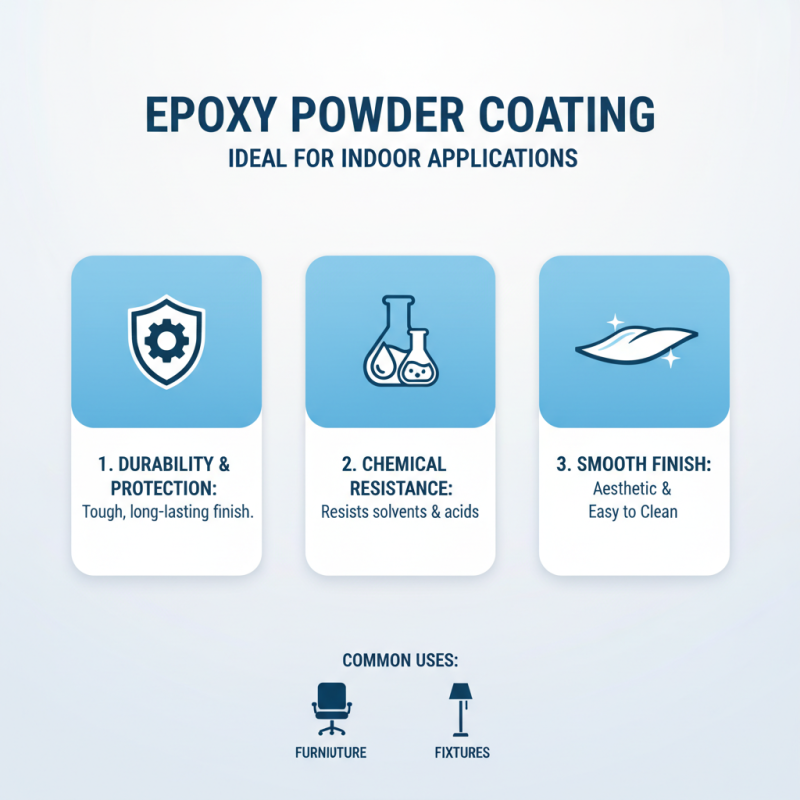
When choosing a plastic powder coating, it’s essential to understand the types available and their specific applications. One popular type is epoxy powder coating. It provides excellent durability, chemical resistance, and a smooth finish. This makes it ideal for indoor applications like furniture or fixtures.
Another type is polyester powder coating. It offers enhanced UV resistance. This makes it suitable for outdoor applications, such as architectural elements. It also withstands various weather conditions, maintaining color and appearance over time.
Tips: Always test a small sample before full application. This helps you see how the coating adheres and performs. Prepare your surfaces correctly; even a small imperfection can affect the final look.
Remember the limitations. Not all coatings work in every environment, so research is crucial. This small oversight can lead to additional costs. Choosing the right type impacts longevity, maintenance, and performance. Don’t rush the process; take your time to compare.
Evaluating Performance Characteristics of Powder Coatings
When evaluating the performance characteristics of powder coatings, several key factors come into play. One crucial trait is durability. Reports indicate that high-quality powder coatings can resist chipping and scratching, extending the lifespan of the coated surface significantly. For instance, the average wear testing reveals that some advanced formulations can outperform traditional wet paints by up to 50%.
Another essential characteristic to consider is corrosion resistance. According to industry data, certain powder coatings demonstrate remarkable resistance to salt spray exposure. This property is particularly critical in coastal areas where environmental factors can accelerate deterioration. Coatings showing a resistance of over 1,000 hours in salt spray tests offer excellent protection against harsh elements.
Tip: Always evaluate the specific environmental conditions your project will face. This can prevent unexpected failures down the line.
Moreover, application efficiency matters. Some coatings require lower curing temperatures or shorter times, which can save energy and reduce operational costs. However, not all formulations deliver consistent results; some may even fail to adhere properly under specific conditions.
Tip: Conduct small test applications to ensure the chosen coating meets your project's demands. This can save both time and resources. Examine how easy the application process is. The ideal coating should provide a balance between performance and usability.
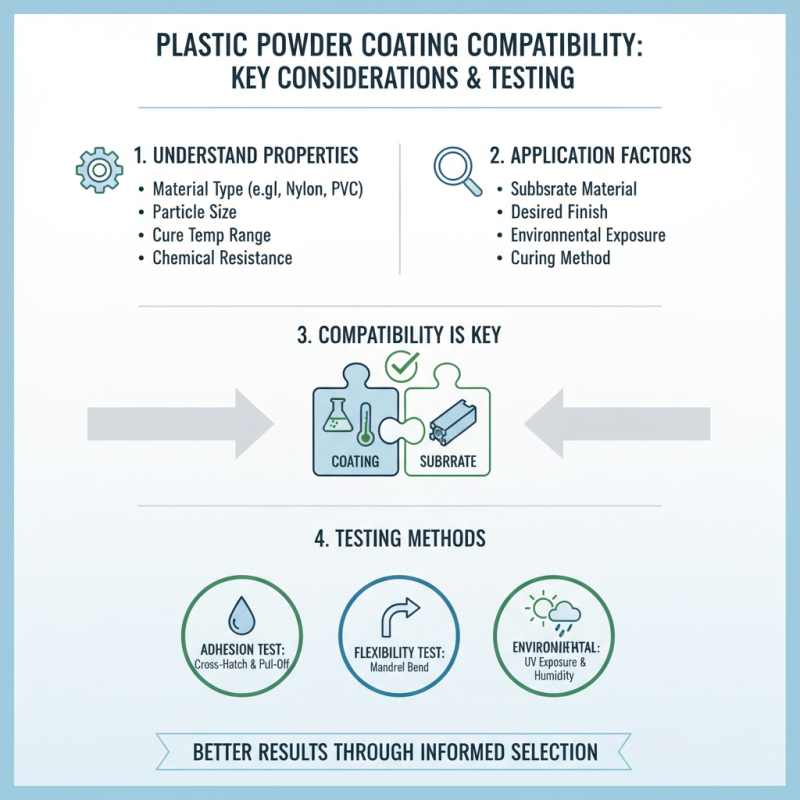
Tips for Testing and Testing Compatibility for Specific Projects
When selecting a plastic powder coating for your project, compatibility is key. Different coatings have unique properties, which may react differently to specific applications. Knowing how to test these properties can lead to better results.
Start with visual inspections. Look at color and texture. Sometimes, a seemingly perfect match may fail after installation. For example, the finish might not adhere well. This can ruin the entire project. Consider doing small test batches. This helps identify problems early.
Another tip is to check the chemical resistance. Some coatings may not withstand certain substances. If your project involves exposure to chemicals, perform compatibility tests. Apply the coating to a sample part, then expose it to the chemical. Observe the results. Testing ensures your choice is right for the job, saving time and money later on.