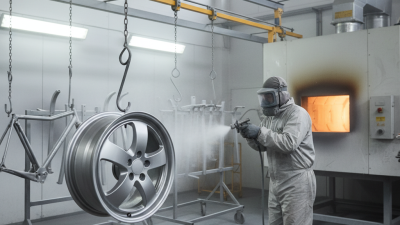
How to Choose the Best Electrostatic Powder Coating System?
Electrostatic Powder Coating has become a vital process in various industries, due to its efficiency and quality. A report from the Powder Coating Institute indicates that the market for electrostatic powder coating is expected to grow significantly, driven by its eco-friendly properties and superior finishing capabilities. James Anderson, an expert in the field, states, “Choosing the right electrostatic powder coating system can greatly impact productivity and quality.”
Selecting an ideal system can feel overwhelming. You may wonder, which features truly matter? Each component affects not just application, but also how well the coating adheres to different surfaces. Factors such as charge efficiency, transfer efficiency, and equipment compatibility can greatly influence your results. Poor choices can lead to defects, waste, and additional costs.
Furthermore, maintaining these systems adds another layer of complexity. Regular upkeep is essential. Make sure to consider service availability and technical support when making your decision. This reflects the importance of a reliable partnership in this industry. Electrostatic Powder Coating systems require thoughtful selection based on your specific needs and operational goals.
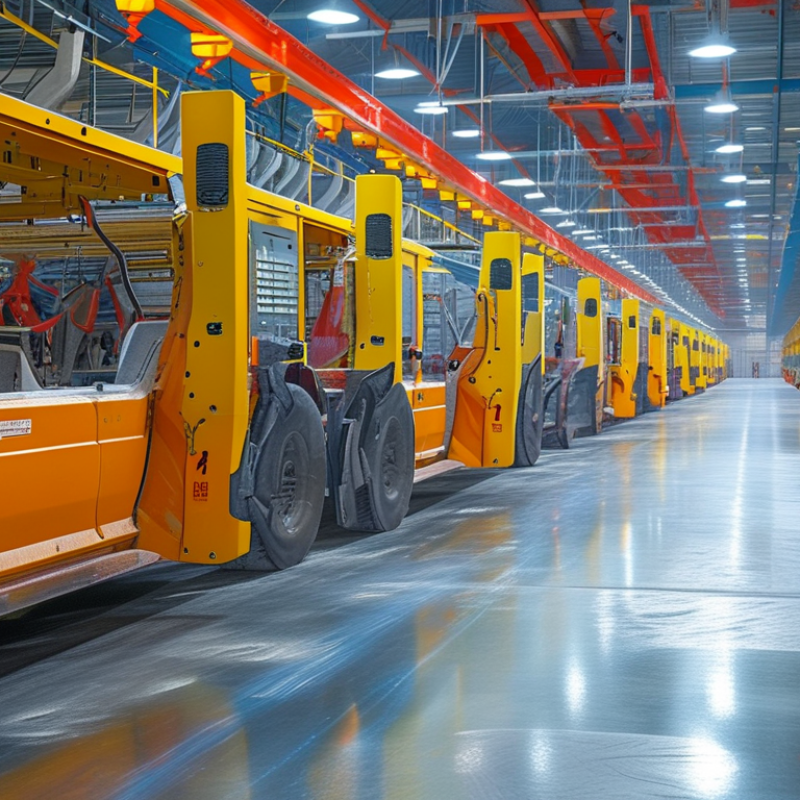
Understanding Electrostatic Powder Coating Systems
Electrostatic powder coating systems are crucial in modern manufacturing. They create a durable and attractive surface finish on various materials. The process uses charged powder particles that adhere to the substrate. Statistical reports indicate that over 50% of manufacturing companies now use this technology due to its efficiency and sustainability. Many prefer it for the reduced emissions compared to liquid coatings.
The effectiveness of electrostatic coating lies in its method. The charged particles cling to surfaces, ensuring even coverage. Reports from industry experts highlight that this technique achieves up to 98% transfer efficiency. This means less waste and higher productivity. However, not all systems perform equally. Factors like setup, equipment quality, and operator skill affect results.
Additionally, challenges remain in achieving consistent finishes on complex shapes. Operators must continuously monitor settings for optimum performance. The learning curve can be steep, impacting the initial investment in the technology. As companies adopt these systems, addressing their limitations plays a vital role in maximizing the benefits. The right choice in equipment and training will ultimately shape the success of electrostatic powder coating applications.
Key Factors to Consider When Choosing a Powder Coating System
Choosing the right electrostatic powder coating system significantly impacts surface finish and durability. Key factors to consider include the type of application, material compatibility, and environmental conditions. Different materials respond uniquely to coatings, so understanding this interaction is vital.
Application method is crucial. Whether you opt for manual or automatic systems, each has its strengths. Manual systems offer flexibility, while automatic systems ensure uniformity. Another point of reflection is the equipment’s maintenance. Regular upkeep can prevent inconsistencies, yet it may sometimes feel burdensome.
Consider the system’s energy efficiency as well. Higher efficiency can lead to reduced costs over time. However, it might require a larger initial investment. Balancing upfront costs with long-term savings is often challenging. Selecting a system that aligns with your production volume and quality goals is essential for sustainable practice.
Electrostatic Powder Coating System Comparison
Types of Electrostatic Powder Coating Technologies Available
When selecting an electrostatic powder coating system, understanding the various technologies available is crucial. The two main types are corona and tribo charging systems. Corona systems use high voltage to charge powder particles. They work well for flat surfaces and large parts. However, they may struggle with complex geometries.
On the other hand, tribo systems rely on friction to charge particles. This technology is often more efficient for intricate shapes. It can achieve better transfer efficiency and reduce powder waste. Choosing between these two technologies depends on your specific needs and application environments.
Tips: Consider the part geometry. If your parts have delicate or complex shapes, a tribo system may be the better option. You should also evaluate the types of powders you intend to use. Some powders perform better with certain charging methods. Test different options to ensure optimal results.
Evaluating System Performance and Efficiency
Choosing the right electrostatic powder coating system requires a deep understanding of performance and efficiency. Evaluating how well a system operates is crucial for achieving desired results. Factors such as consistency, transfer efficiency, and application speed play significant roles in determining performance. Pay attention to the system's ability to reduce waste and enhance coverage. These details directly impact the quality of the final product.
Tips: Focus on transfer efficiency. A higher transfer efficiency means less powder wasted and more savings. Monitor application speed closely. Slower speeds might allow for better coverage but can reduce throughput.
It’s essential to assess the energy consumption of the system. Less efficient systems may lead to higher operational costs over time. Reflect on maintenance needs as well. If a system requires frequent repairs, it can halt production and increase downtime. Check if the equipment is user-friendly. Complicated systems can lead to mistakes and frustration, impacting overall performance.
How to Choose the Best Electrostatic Powder Coating System? - Evaluating System Performance and Efficiency
| Feature |
Description |
Performance Metrics |
Efficiency Rating |
| Coating Quality |
Uniformity in finish and adhesion |
Gloss level: 90/100 |
High |
| Transfer Efficiency |
Amount of powder that adheres to the part |
85% transfer efficiency |
Excellent |
| Production Speed |
Time taken to coat items |
5 pieces/minute |
Good |
| Ease of Use |
User-friendly controls and setup |
Setup time: 30 minutes |
Very Good |
| Maintenance Requirements |
Frequency and complexity of maintenance needed |
Monthly inspections |
Low |
Cost Analysis and Budgeting for Powder Coating Systems
When considering a powder coating system, cost is a crucial aspect. A recent industry report indicated that starting costs for electrostatic powder coating systems can range from $20,000 to $100,000. This figure varies based on equipment quality and production capacity. Budgeting should also factor in maintenance, which can average around $2,000 annually for a mid-range system. The longevity of systems often balances initial costs.
Additionally, it’s vital to assess operational expenses. A study highlighted that energy costs for running powder coating machinery can represent up to 15% of total production costs. Professional estimates suggest that using energy-efficient equipment can reduce these costs by up to 30%. However, the transition to advanced systems may require significant upfront investment. This illustrates that while modern systems may appear expensive, their long-term savings can be substantial.
Training employees is another budget consideration. Training costs can range from $500 to $3,000 depending on the complexity of the system. Ensuring your team is skilled in operating and maintaining the equipment is essential for optimal performance. These factors reflect the importance of thorough cost analysis when choosing a powder coating system.