Why Choose Alloy Powder Coating for Your Projects?
Alloy Powder Coating has emerged as a popular choice for various applications in recent years. This coating technique offers enhanced durability and aesthetic appeal to metal surfaces. The fusion of metal powders creates a finish that withstands wear, corrosion, and fading. It is not just about appearance; longevity plays a vital role too.
Many projects seek a reliable and efficient solution to protect their investments. Alloy Powder Coating provides this assurance. However, some users may overlook the importance of surface preparation. Proper cleaning and priming can significantly affect the final result. A lack of attention to detail here might lead to dissatisfaction in the long run.
Choosing Alloy Powder Coating may come with its challenges. While the process can offer stunning results, it requires skilled professionals. Inexperienced application may lead to uneven surfaces or peeling paint. Projects must account for these potential drawbacks. In the end, it is the careful balance of preparation and execution that brings the best results.
Benefits of Alloy Powder Coating in Various Applications
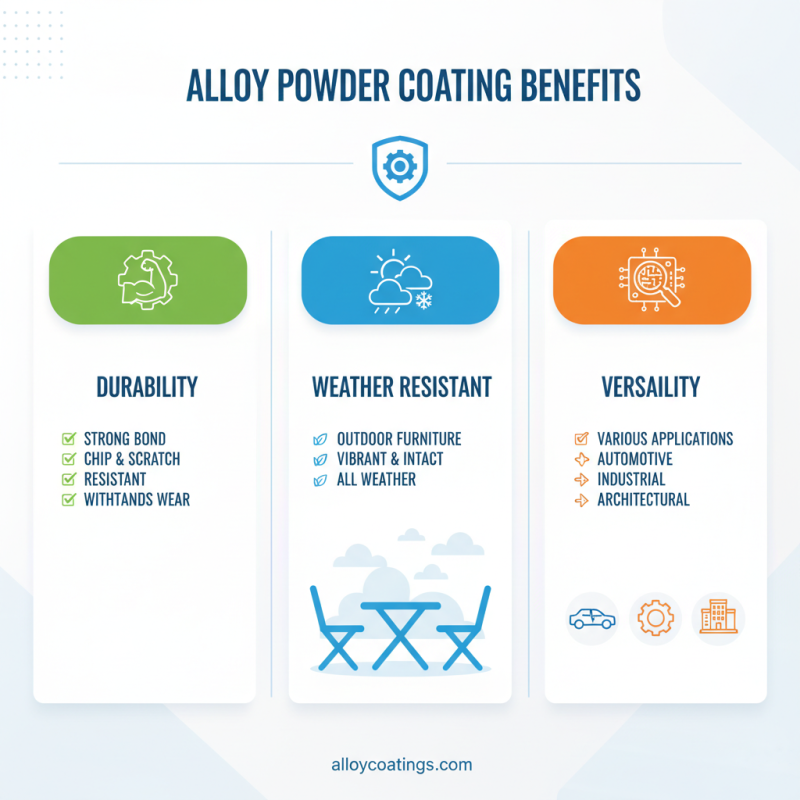
Alloy powder coating offers numerous advantages across various applications. One major benefit is its durability. The coating forms a strong bond, making it resistance to chipping and scratching. This means coated items can withstand daily wear and tear. For instance, outdoor furniture coated with alloy powder stays vibrant and intact in various weather conditions.
Moreover, alloy powder coating provides excellent coverage. It can reach complex shapes and intricate designs easily. This feature saves time in the manufacturing process. However, achieving a perfect finish sometimes requires careful preparation. Inconsistent application can lead to blemishes. Proper surface cleaning is crucial to avoid this issue.
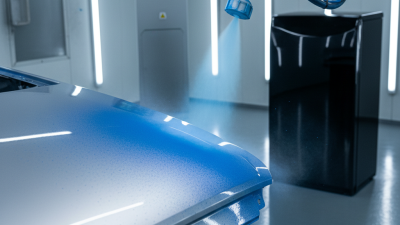
Many industries benefit from alloy powder coating. Automotive, aerospace, and furniture sectors use it extensively. Yet, some users may overlook the importance of material selection. Using the right alloy ensures optimal performance. It's a reminder that factors like application method and environmental conditions should not be ignored.
Durability and Resistance of Alloy Powder Coating Explained
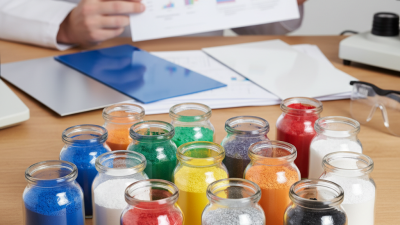
Alloy powder coating is a game-changer for various projects. Its durability stands out among different finishes. The toughness is not just a claim; it relies on a complex process. Fine particles of metal are combined with resins, creating a strong, unified surface. This means your finished product can withstand rough conditions.
Resistance is another critical aspect. Alloy powder coatings can resist chemicals, moisture, and UV rays. This prevents rust and corrosion. Imagine outdoor furniture exposed to the elements. An uncoated metal will rust quickly, while alloy finishes prolong its life. However, applying this coating requires precision. Any overlooked detail could lead to peeling or chipping. It’s essential to prepare surfaces properly.
Color retention is impressive, but not infallible. Over time, exposure may fade vibrant tones. Some users may find it disappointing. Yet, there’s beauty in imperfection. Each scratch tells a story of use and endurance. Choosing alloy powder coating means understanding its strengths and weaknesses. It's a balancing act between aesthetics and longevity.
Environmental Advantages of Using Alloy Powder Coating
Alloy powder coating is increasingly recognized for its environmental benefits. This coating method can significantly reduce waste. Traditional liquid paints can emit harmful solvents. In contrast, powder coatings typically contain zero volatile organic compounds (VOCs). A report from the Environmental Protection Agency shows that switching to powder coating can lower VOC emissions by up to 90%. This makes it a cleaner choice for various applications.
Additionally, alloy powder coating uses less material. Studies indicate that up to 98% of powder is utilized in the coating process. Overspray is minimal, reducing the amount of coating that ends up as waste. Since powder can be reused, companies save both materials and costs over time. However, it’s important to note that the initial investment might be high for smaller projects. Evaluating this cost against long-term savings is necessary and often requires careful consideration.
The recycling ability of alloy powder adds to its appeal. Used powder can be reclaimed, minimizing landfill contributions. In fact, reports suggest that the recovery rates for excess powder can surpass 80%. This could help manufacturers meet sustainability goals. However, the quality of recycled powder can vary, so it's vital to test it before application. Balancing these factors can guide decisions for a greener future.
Why Choose Alloy Powder Coating for Your Projects? - Environmental Advantages of Using Alloy Powder Coating
| Advantage |
Description |
Environmental Benefit |
| Durability |
Alloy powder coatings provide a tough, long-lasting finish that resists scratches and dents. |
Reduces waste and resource consumption over the lifecycle of the product. |
| Low VOC Emissions |
Powder coatings contain little to no volatile organic compounds, making them safer for the environment. |
Improves air quality and reduces harmful emissions. |
| Recyclability |
Unused powder can be recycled and reused, minimizing waste. |
Contributes to a circular economy by reducing landfill waste. |
| Energy Efficiency |
Powder coating requires less energy compared to liquid coatings during application and curing. |
Lowers overall greenhouse gas emissions. |
| Bright Colors & Finishes |
Wide variety of colors and finishes available that do not fade easily. |
Reduces the need for repaints, saving materials in the long run. |
Cost-Effectiveness of Alloy Powder Coating Over Other Finishes
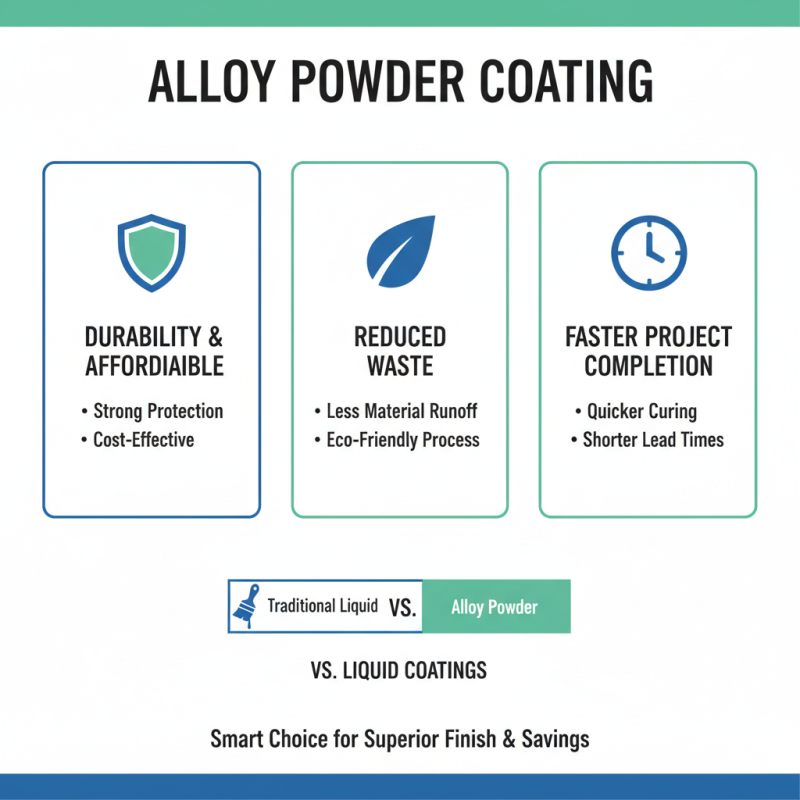
Alloy powder coating offers a unique blend of durability and affordability. It is an excellent choice for various projects, especially when cost savings are essential. Compared to traditional liquid coatings, alloy powder coating can significantly reduce material waste. This method also boasts faster curing times, leading to quicker project completion.
When considering finishes, take a moment to weigh your options. Powder coatings tend to last longer than many liquid finishes. This longevity often outweighs initial costs. A well-applied powder coat resists chipping and fading, saving money on future maintenance. Yet, achieving a perfect finish can be challenging. Surface preparation must be precise to avoid imperfections.
**Tip**: Always test a small area before fully committing to a finish. This ensures compatibility and helps avoid costly mistakes. Be mindful of environmental factors, too, as humidity can affect the coating process.
Exploring alloy powder coating's cost-effectiveness reveals an exciting opportunity. Some might overlook the initial setup costs or complexity in application. Relying solely on price can lead to missteps, while evaluating overall value proves more advantageous. In the long run, the durability and minimal maintenance of this coating make it a wise investment for your projects.
Application Techniques for Alloy Powder Coating in Projects
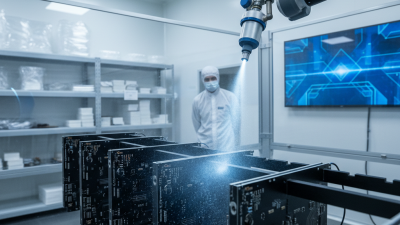
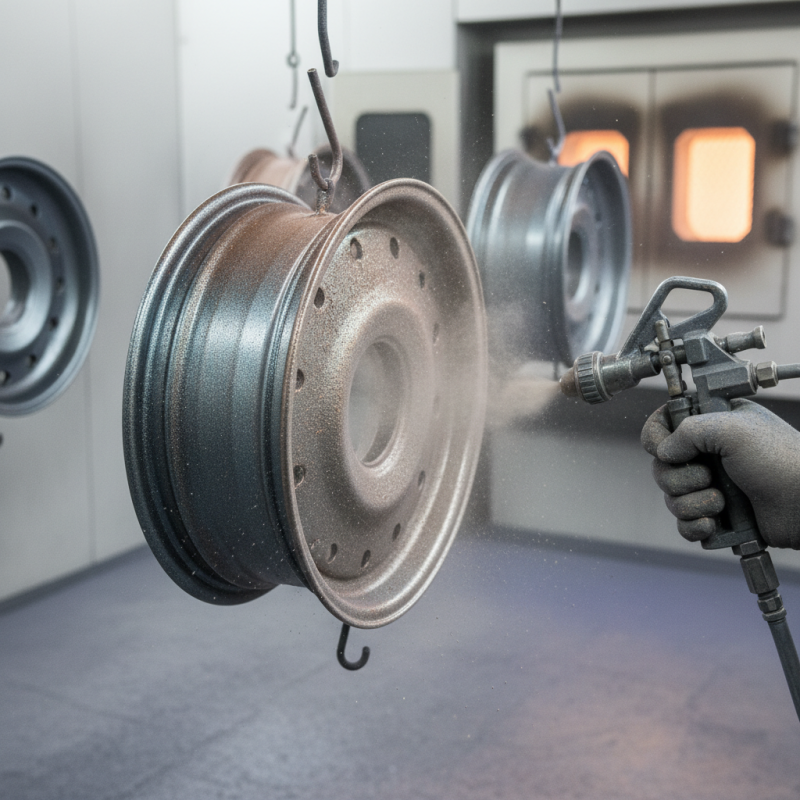
When applying alloy powder coating, several techniques can enhance your project's results. One popular method is electrostatic spraying. This technique uses charged particles to ensure an even coat. It's efficient and can cover intricate shapes easily. However, achieving an even thickness can be tricky and requires careful calibration.
Another effective method is fluidized bed coating. In this process, the substrate is preheated, and powder is fluidized to adhere smoothly. This method works well for large parts or irregular shapes. Nonetheless, it can be challenging to maintain consistent temperatures.
Post-curing is a crucial step after application. It helps to improve durability, but timing can impact the final finish. Rushing this process may lead to defects like uneven surfaces or poor adhesion. Each technique carries pros and cons, so experimentation is key.