How to Choose the Right Silver Powder Coat for Your Project?
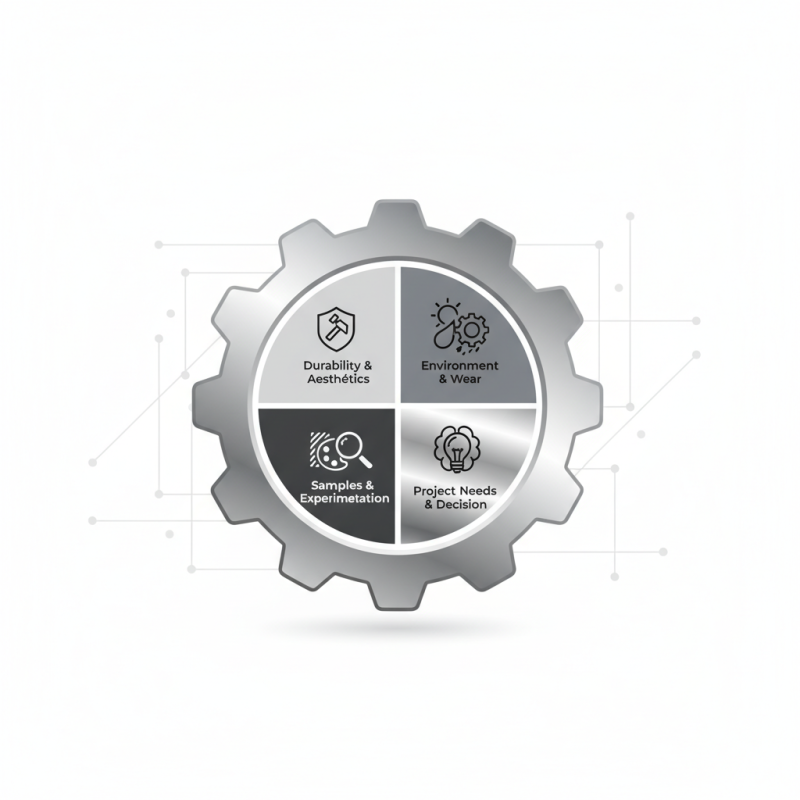
Choosing the right Silver Powder Coat for your project can be complex. Industry expert James Hartman once stated, “Selecting the perfect finish is crucial for durability and aesthetics.” This underscores the importance of understanding your options.
Silver Powder Coat is not just about color. It affects the final look and longevity of your project. A vibrant, shiny finish can elevate your design. But choosing the wrong shade or texture may lead to dissatisfaction. Refining your choice requires careful consideration.
Consider the environment where your coated item will reside. Will it face harsh weather? How about daily wear and tear? These factors significantly impact adhesion and longevity. Experimenting with different Silver Powder Coat samples can also reveal surprising outcomes. Ultimately, reflection on your project needs is key for an informed decision.
Identifying the Purpose of Your Silver Powder Coat Project
When selecting a silver powder coat, understanding your project’s purpose is crucial. The intended use significantly affects your choice. For outdoor applications, consider UV resistance and weather durability. These factors can influence the longevity of the finish. If your project is decorative, the sheen and color can play a vital role in aesthetics. A bright, shiny silver might stand out more than a muted tone.
It’s also essential to reflect on the working environment. If items will be exposed to heavy wear and tear, choose a tougher finish. Think about potential scratches or fading over time. Consider if the project is for functional use or only visual appeal. This decision can change your material’s performance requirements. Asking yourself these questions can lead to a better choice.
Evaluate your needs carefully. Misjudging the goal can result in dissatisfaction down the line. Remember that not every silver powder performs the same way. Some may chip easily under stress. There’s always a trade-off between beauty and durability. Take time to weigh your options thoroughly before making a final decision.
Evaluating Different Types of Silver Powder Coats Available
When evaluating different types of silver powder coats, it’s essential to understand the various formulations available. Industrial reports indicate that there are primarily three categories: metallic, smooth, and textured finishes. Metallic silver powders offer a reflective quality that mimics polished metals, adding visual appeal to projects. Smooth finishes, while sleek, may show imperfections easily. Textured options, on the other hand, can hide flaws but may not always deliver that high-end look.
Mechanical properties also differ across powder coat types. According to recent data, smooth and metallic finishes generally have superior abrasion resistance. However, textured finishes often provide better adhesion and longevity. These nuances can impact performance in real-world applications. It’s crucial to assess factors like UV resistance and chemical stability, especially for outdoor projects where exposure is inevitable.
The selection process may seem straightforward, yet it can pose challenges. Different substrates react distinctively to various coating types. Some surfaces may require pre-treatment to enhance adhesion. Likewise, curing times can vary, affecting overall project timelines. Balancing aesthetics with durability often requires careful consideration and experimentation. Understanding these diverse characteristics can lead to more informed decisions and successful outcomes in powder coating projects.
Comparison of Different Types of Silver Powder Coats
Understanding the Application Method and Surface Preparation Needs
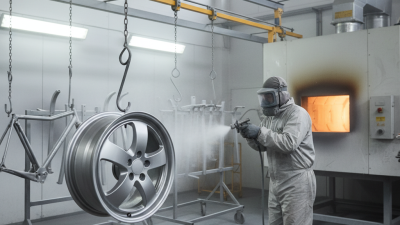
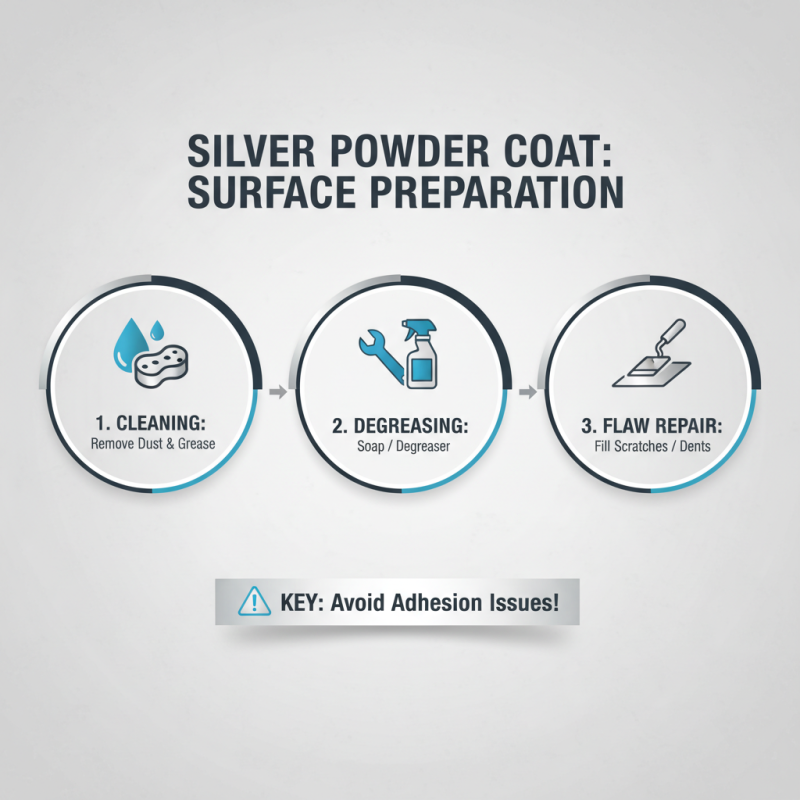
When choosing the right silver powder coat, surface preparation is key. Begin with surface cleaning to remove dust and grease. Use a degreaser or a simple soap solution. Any residue can cause adhesion problems later. Pay attention to scratches or dents. These flaws may need filling before applying the powder coat.
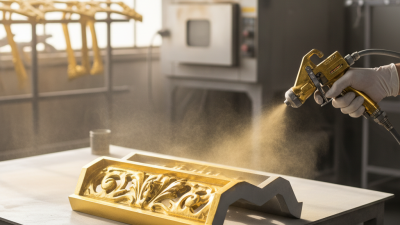
Next, consider the application method. Electrostatic spray application is common. It requires a specialized setup, but it offers even coverage. Alternatively, manual methods can work for smaller projects. A consistent, smooth application avoids streaks and runs. However, remember that manual methods can sometimes lead to uneven layers.
After preparation, test your chosen silver powder coat on a small area. This step can save you time. Even after good preparation, variability can occur. Humidity and temperature can influence the finish. Reflect on the outcome and adjust your process as needed. Each project teaches something new about the right application methods.
Assessing Durability and Finish Quality for Your Specific Use
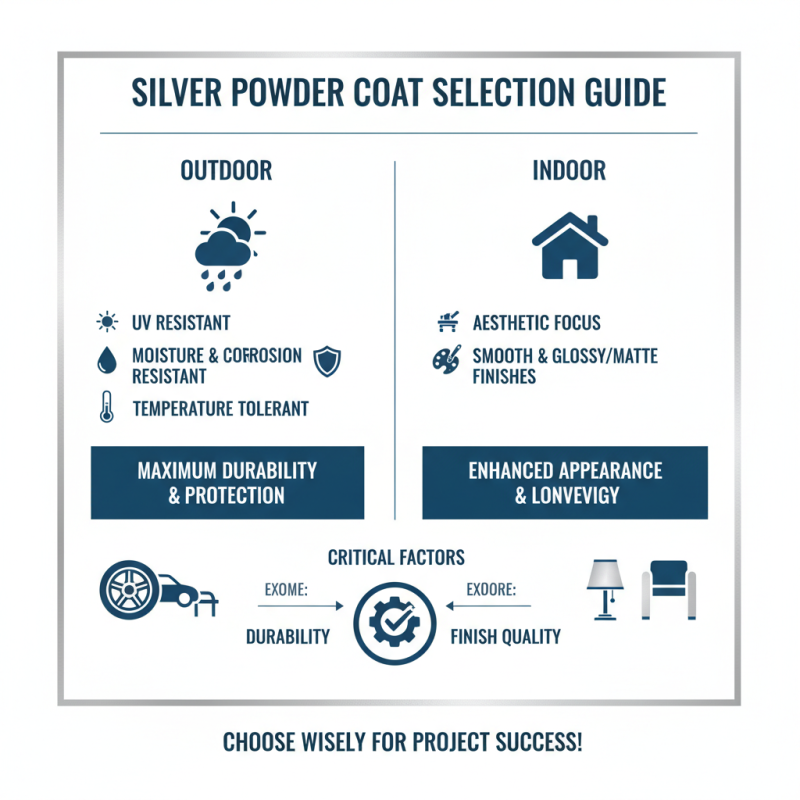
When selecting a silver powder coat for your project, durability and finish quality are critical factors. The right choice depends on the environment in which the coated item will be used. For instance, outdoor products need to withstand UV rays, moisture, and temperature variations. In contrast, indoor items may focus more on aesthetics. An appropriate coating can enhance both appearance and lifespan.
Tips: Test different finishes on small samples. Observe how each reacts over time. Some may chip easily while others maintain their shine longer. It's vital to find a balance between durability and visual appeal. A finish that looks perfect now might not hold up under daily use.
Consider the texture as well. Smooth finishes often show imperfections quickly. Textured coatings can hide scratches but might not have the same visual depth. Always ask about the expected wear. An overly glossy finish can make marks more noticeable, prompting reflections on whether you truly want that for your project. Remember, an ideal powder coating can transform your item, but it’s important to choose wisely.
Considering Environmental and Safety Factors in Your Selection
When selecting the right silver powder coat, environmental and safety factors play a crucial role. Start by reviewing the product's material safety data sheet (MSDS). This document provides essential information about hazards. Look for details on volatile organic compounds (VOCs). Lower VOC levels are better for air quality and safety.
Consider the disposal methods for leftover materials. Some powder coatings can have adverse effects when improperly disposed of. Investigate recycling options in your area. Using eco-friendly coatings can lead to a more sustainable project. Check for certifications that signify environmental responsibility.
Personal protective equipment (PPE) is vital during application. Ensure you have gloves, goggles, and masks if necessary. Setting up a proper ventilation system is also important. Many people overlook safety during small projects. It’s easy to underestimate potential risks. By taking time to evaluate safety measures, you can avoid accidents. Your project deserves careful consideration of both aesthetic and environmental impacts.