How to Choose the Best Electrostatic Powder Coating for Your Project?
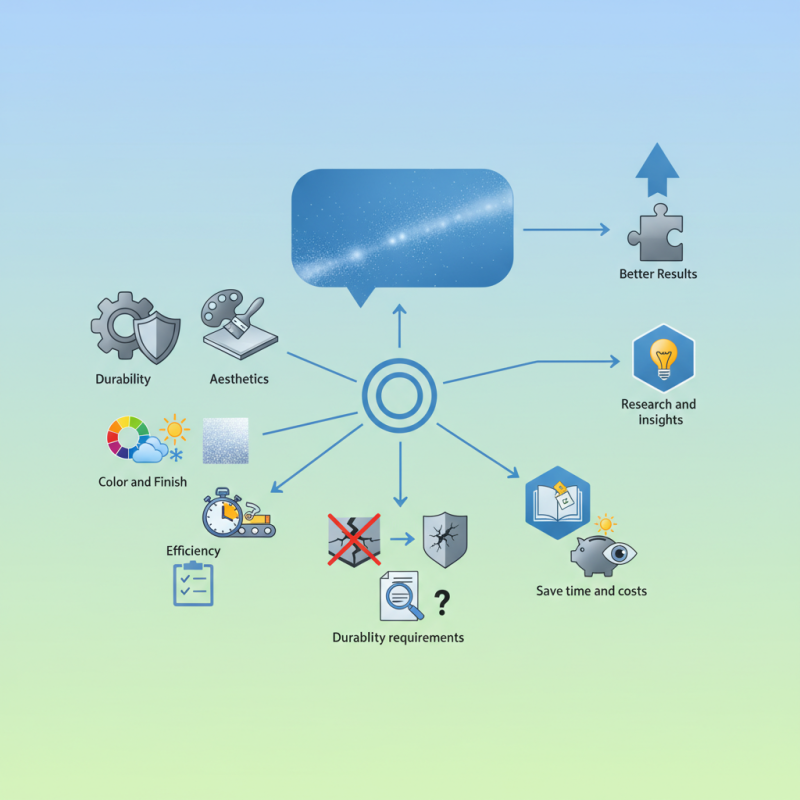
Choosing the right electrostatic powder coating is vital for any project. John Smith, a recognized expert in the field, emphasizes, "The right coating can define the success of your project." Electrostatic Powder Coating offers durability, aesthetics, and efficiency, making it a popular choice among manufacturers and DIY enthusiasts.
When selecting a coating, factors like color, finish, and environment are crucial. Not all coatings are alike. Some may chip easily, while others provide excellent durability. It's essential to match the coating type with your specific needs. Review project requirements closely. Does it need to withstand harsh conditions?
Reflecting on past choices can provide insights. Many have faced challenges because they didn't research sufficiently. The right electrostatic powder coating can save time and costs. Yet, many overlook certain details. Understanding your options will lead to better results. Being informed is key.
Factors to Consider When Selecting Electrostatic Powder Coating
Choosing the right electrostatic powder coating involves several important factors. The first aspect to consider is the environment where the coated item will be used. Whether it’s indoors or outdoors can greatly affect durability. For example, coatings used outside need to resist UV rays and weather conditions.
Another crucial factor is the type of substrate you are coating. Different materials, such as metals or plastics, may require specific powder formulations. Compatibility is essential; otherwise, adhesion issues can arise. Additionally, you should think about the finishing look you desire. The color range and texture options are vast, and personal preference plays a big role.
Application techniques also come into play. There are methods that suit specific projects better than others. For instance, an improper technique can lead to uneven surfaces or thin layers. It’s worth reflecting on past projects to learn what worked and what didn’t. This experience can guide your current choice. Every detail matters in achieving the best result for your project.
How to Choose the Best Electrostatic Powder Coating for Your Project?
| Factor |
Considerations |
Recommended Properties |
| Material Type |
Assess the substrate material (metal, plastic, etc.) |
Compatibility with the substrate |
| Finish Type |
Choose between matte, gloss, or textured finishes |
Desired aesthetic and functional outcomes |
| Temperature Resistance |
Consider environmental exposure, including heat |
Should withstand specific temperature ranges |
| Durability |
Evaluate resistance to scratches, chemicals, and UV rays |
High durability for longevity |
| Color Selection |
Consider color availability and preference |
Wide range of colors for customization |
| Application Method |
Assess equipment compatibility for application |
Ease of application and uniform coverage |
| Cost |
Budget constraints and overall project cost |
Cost-effectiveness while meeting quality standards |
Types of Electrostatic Powder Coatings Available on the Market
Electrostatic powder coatings are widely used in various industries. Several types are available, each with unique properties. The common types include thermosetting and thermoplastic powders. Thermosetting powders cure through a chemical reaction, making them durable and resistant to heat. Thermoplastic powders, however, can be remelted and reused, offering environmental benefits.
When selecting a coating, consider the intended use. For example, exterior applications require coatings with UV resistance and weatherability. In contrast, indoor projects might prioritize aesthetics over durability.
Reports show that the global demand for powder coatings is expected to grow by 5% annually, indicating a strong trend toward these materials.
Tips: Always test the coating on a small surface first. This helps in understanding how it adheres and looks when cured. Different colors and finishes can alter the final appearance. It's wise to evaluate potential issues like orange peel or poor adhesion. Recognizing these problems early can save time and frustration later on.
Choosing a coating may seem straightforward, yet nuances matter. The wrong selection can lead to peeling or fading. Pay attention to the application technique, as this influences the final finish. Adjusting parameters like voltage and spray distance can yield varying results. Don't overlook the importance of thorough cleaning before application; residue can compromise adhesion.
Evaluating the Performance Characteristics of Powder Coatings
Electrostatic powder coatings are increasingly popular due to their durability and versatility. Evaluating their performance characteristics is crucial for project success. Key factors include adhesion, impact resistance, and flexibility. Reports suggest that coatings with high adhesion can improve the lifespan of coated materials by 50%. This means less frequent repairs and replacements.
Tips: Always test coatings before full application. A small sample can reveal a lot about performance. Consider the environment too. Humidity and temperature can affect curing times.
Impact resistance is essential for coatings in high-traffic areas. Data indicates that coatings rated for high impact can withstand more than 2,000 pounds of force. However, not all powders offer the same level of protection. Poor quality options might chip easily, leading to costly repairs.
Flexibility is another critical characteristic. Coatings with flexibility ratings that exceed industry standards tend to perform better in varying conditions. Look for those that can stretch without cracking. This can prevent unsightly damage over time. Always review the technical sheets before making decisions.
Performance Characteristics of Electrostatic Powder Coatings
Understanding Application Techniques for Electrostatic Powder Coating
Electrostatic powder coating offers durability and aesthetic appeal. However, mastering application techniques is crucial for high-quality results.
Surface preparation plays a vital role. It’s necessary to clean and degrease items before applying powder. Research indicates that pre-treatment can enhance adhesion by 30% or more. This means surfaces must be scratch-free, dry, and free from contaminants.
Tips: Always test a small area first. This ensures the coating adheres properly to the material. Using a consistent method can help in achieving better results. The thickness of the powder layer matters too. A layer that is too thin may lead to poor coverage. On the other hand, an overly thick layer can result in defects.
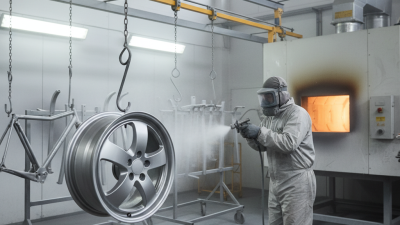
Electrostatic guns can accelerate particles, which creates a uniform finish. However, the distance from the gun to the surface is crucial. Generally, it should be between 6 to 12 inches. If too close, it can cause uneven layering. Too far can lead to poor transfer efficiency. Reports suggest optimizing this distance increases efficiency to over 80%. Proper training for operators sometimes lacks, affecting the final quality. Hence, continuous learning and improvement are essential in this evolving field.
Assessing Surface Preparation Requirements for Optimal Coating Adherence
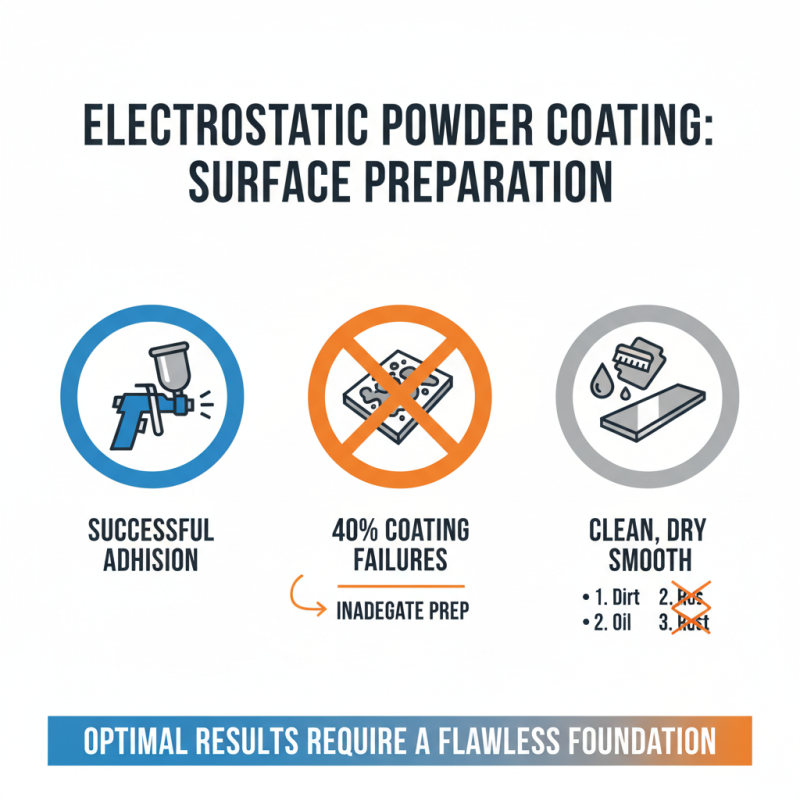
Surface preparation is crucial for successful electrostatic powder coating. Proper cleaning and priming ensure that the coating adheres effectively to the substrate. According to industry experts, inadequate surface preparation accounts for up to 40% of coating failures. Dirt, oil, and rust can hinder adhesion. A clean, dry, and smooth surface is essential for optimal results.
One effective technique is media blasting. This process removes contaminants and old coatings. It can significantly enhance the coating's adherence. Additionally, chemical cleaners can aid in surface preparation, especially in tough spots. However, excessive use may leave residues. It’s important to thoroughly rinse and dry the surface after cleaning.
Tip: Use a surface profile gauge to measure roughness. This ensures the profile meets the coating manufacturer’s recommendations.
Another aspect to consider is environmental conditions. Humidity and temperature can impact coating performance. If conditions are not ideal, the coating may not cure properly. Always check the weather before beginning your project.
Tip: Aim for a temperature range of 20-25°C during application. This can maximize adhesion and overall finish quality.