The Best Graphene Powder Coating Techniques for Superior Durability?
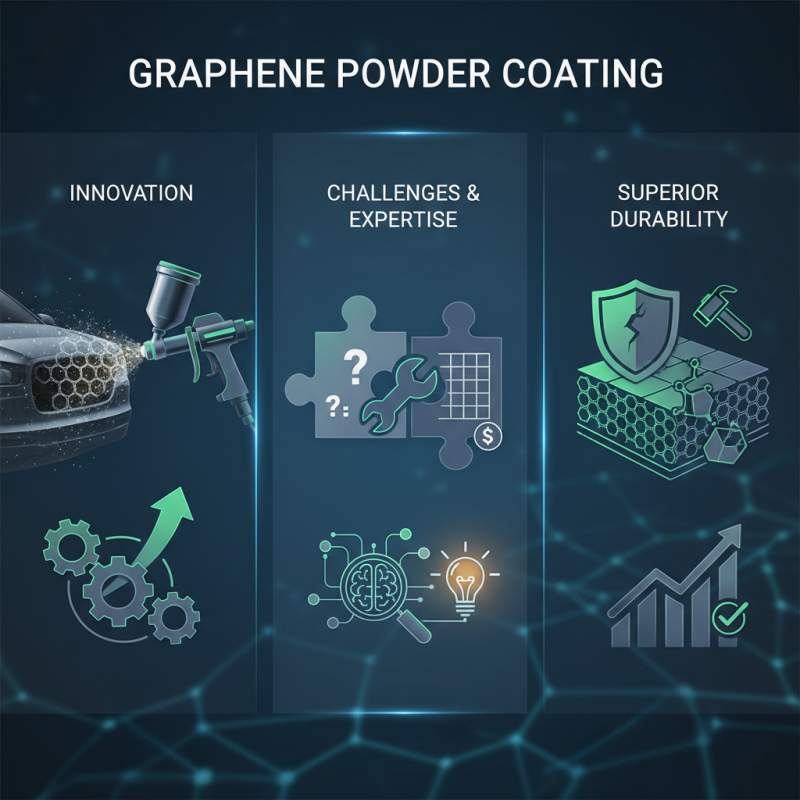
Graphene Powder Coating has emerged as a groundbreaking advancement in material science. This innovative technique offers exceptional durability and resistance, making it an appealing choice for various applications. Industries from automotive to aerospace are increasingly adopting graphene-enhanced coatings to improve product longevity.
However, the adoption of Graphene Powder Coating is not without its challenges. Manufacturers must navigate issues like uniform application and cost-effectiveness. Detailed expertise is crucial to achieve optimal results. A well-executed coating can significantly enhance performance, but inconsistent efforts can lead to disappointing outcomes.
Industry professionals continuously seek the best techniques to harness graphene's potential. Selecting the right methods can ensure significant improvements in durability. Understanding the intricacies of Graphene Powder Coating will empower manufacturers to make informed decisions. Ultimately, achieving superior durability requires dedication, skill, and a willingness to reflect on past practices.
Overview of Graphene Powder Coating Techniques
Graphene powder coating techniques are gaining attention for their potential in enhancing durability. These methods provide a unique blend of strength and lightweight properties. The flexibility of graphene allows it to be applied in various forms, enhancing adhesion to surfaces. This makes it an attractive option for a range of materials, from metals to plastics.
One popular technique involves mixing graphene powder with resins. This creates a composite coating that can significantly improve scratch and wear resistance. The uniform distribution of graphene within the coating is vital. Achieving this can be challenging, as uneven mixing leads to compromised performance. Proper mixing equipment and methods are crucial for optimizing results.
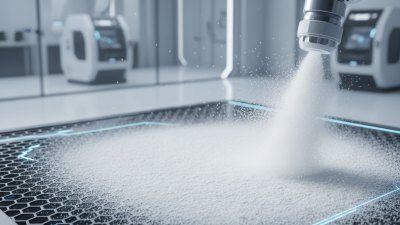
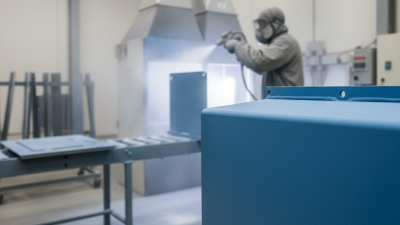
Another approach is electrostatic spraying. This technique uses an electric charge to ensure the coating adheres evenly to the substrate. While effective, it requires precise control of parameters like voltage and feeding rates. Any inconsistency can result in dull or uneven finishes. Experimentation is often necessary to anchor the best practices for each application, as results may vary widely.
The Best Graphene Powder Coating Techniques for Superior Durability
| Technique |
Durability Rating |
Application Method |
Cure Time |
Cost per kg |
| Electrostatic Spray |
9/10 |
Spraying |
2 hours |
$100 |
| Dip Coating |
8/10 |
Dipping |
3 hours |
$80 |
| Powder Coating |
10/10 |
Buffing |
4 hours |
$150 |
| Roller Application |
7/10 |
Rolling |
1 hour |
$60 |
| Brush Application |
6/10 |
Brushing |
Immediate |
$40 |
Key Benefits of Using Graphene Powder for Coatings
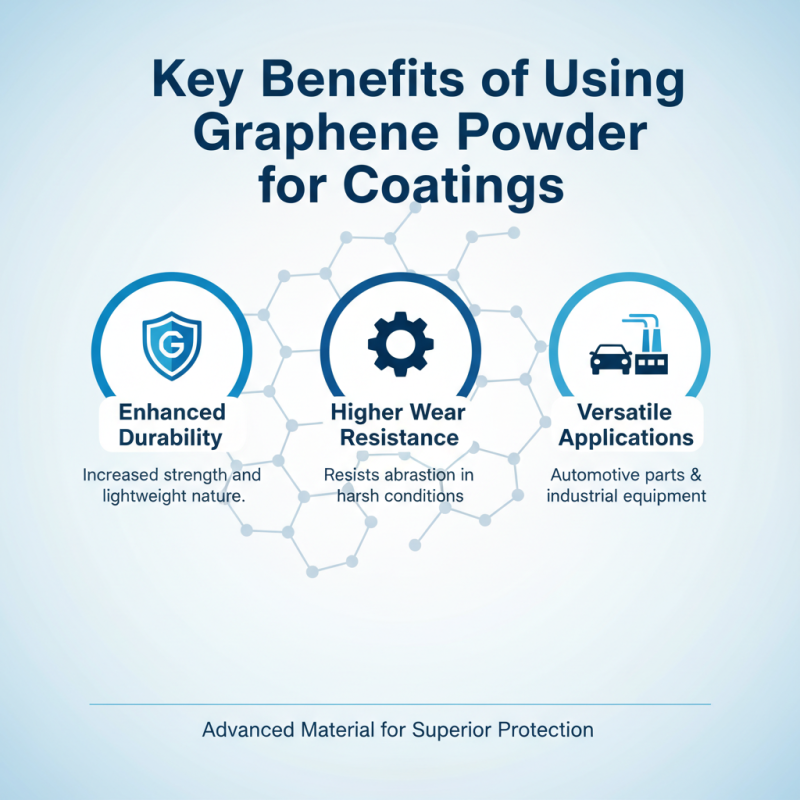
Graphene powder has gained significant attention in the coatings industry due to its remarkable properties. Its strength and lightweight nature contribute to enhanced durability in various applications. Coatings infused with graphene exhibit higher resistance to wear and tear. This makes them particularly useful in environments that face harsh conditions. For instance, automotive parts and industrial equipment can significantly benefit from this advanced material.
Another key advantage of using graphene in coatings is its thermal and electrical conductivity. Coatings that incorporate graphene can help manage temperature fluctuations more effectively. Additionally, they may provide anti-corrosion benefits, increasing the lifespan of coated materials. However, the manufacturing process for achieving the best results with graphene powder can be complex. Finding the right balance in the formulation might require multiple trials to perfect.
While the potential of graphene is impressive, it is essential to consider practical challenges. Not all applications may benefit equally from graphene coatings. Factors such as cost and ease of application may deter some manufacturers from fully embracing this technology. Furthermore, ongoing research is necessary to unlock its full potential. The path to optimizing graphene powder for coatings involves some uncertainties, demanding continuous innovation and adaptation.
Step-by-Step Application Process for Graphene Coatings
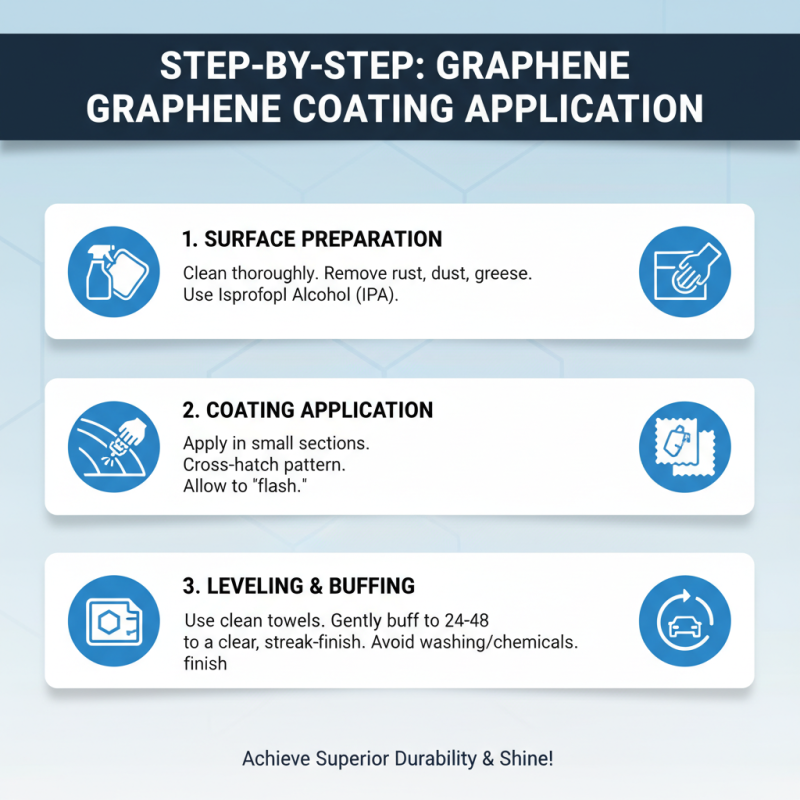
Graphene coatings have gained attention for their superior durability. Applying these coatings requires careful attention to detail. Start with surface preparation. Clean the area thoroughly. Remove rust, dust, and grease to achieve a smooth finish. Use a solvent like isopropyl alcohol for this task. A well-prepared surface ensures better adhesion.
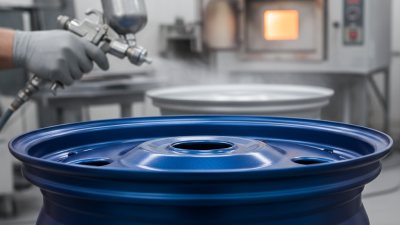
Next, mix the graphene powder with a suitable binder. Follow the manufacturer's instructions for ratios. This step is crucial for maximum performance. Once mixed, apply the coating using a spray gun or brush. Ensure even application across the surface. It may take practice to achieve an optimal finish. Allow the first coat to dry before assessing the surface. You might notice imperfections. Don’t skip this step; it’s vital for durability.
After drying, sand the surface lightly. This enhances adhesion for the next coat. Apply additional coats as needed, allowing proper drying time between each application. The number of coats depends on the desired finish. It's important to take your time here. Rushing can lead to uneven surfaces. Lastly, evaluate the final appearance. This reflective process will help in achieving a durable, high-quality finish.
Comparative Analysis of Graphene vs Traditional Coating Materials
Graphene has emerged as a revolutionary alternative to traditional coating materials. Studies indicate that graphene coatings can enhance durability by up to 200% compared to conventional options. This increased performance stems from graphene's unique structure. It is composed of a single layer of carbon atoms arranged in a two-dimensional lattice, giving it exceptional strength and resistance to wear.
Traditional coatings often struggle with issues like chipping or fading over time. In contrast, the use of graphene has shown significant improvement in abrasion resistance. A report from the Journal of Coatings Technology highlights that graphene-based coatings can withstand extreme temperature fluctuations without losing their integrity. However, the application process of graphene can be complex. Many manufacturers are still navigating the best methods to incorporate graphene into their products efficiently.
Despite its benefits, the cost of producing graphene remains a challenge. While graphene coatings demonstrate superior performance, they often come at a premium price. Some industries are hesitant to fully transition due to the uncertainty in long-term reliability. As research continues, a more accessible production method may pave the way for wider adoption, thus enhancing overall product durability across sectors.
Best Practices for Curing and Finishing Graphene Coatings
Curing and finishing graphene coatings is crucial for achieving superior durability. Proper curing enhances the bonding of graphene to surfaces, which results in better performance. It's essential to follow specific temperature and time guidelines. Too high a temperature can degrade the graphene, while too low may lead to insufficient bonding.
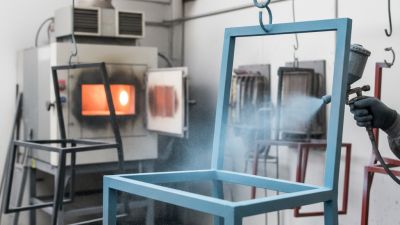
Using UV light curing is gaining traction. It offers quick turnaround times and can create strong adhesion. However, this method requires precision. Overexposure to UV can cause defects. Regular monitoring is necessary to maintain quality. Techniques like thermal curing involve heating to a specific range. This promotes chemical reactions that improve coating resilience.
Finishing touches cannot be neglected. They influence not only appearance but also protective capabilities. Careful sanding may be required to achieve a smooth finish. But, excessive sanding can undermine the coating’s integrity. Developers should experiment with different finishing methods to find the best fit. Continuous learning from each application can lead to better results over time.