China Best Graphene Powder Coating for Superior Performance?
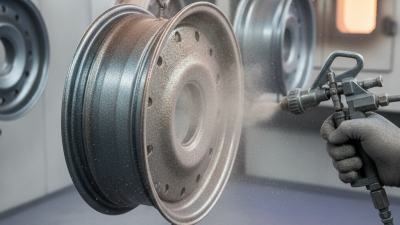
In the evolving landscape of coatings, "Graphene Powder Coating" stands at the forefront, promising remarkable advancements in performance and durability. Dr. Jianzhong Wei, a leading expert in advanced materials, states, “Graphene’s unique properties revolutionize how we think about coatings.” This innovative coating harnesses the strength and conductivity of graphene, providing enhanced protection and sustainability for various applications.
Many industries are now exploring these benefits. The automotive and aerospace sectors are particularly interested in graphene due to its lightweight nature. Additionally, “Graphene Powder Coating” offers resistance to corrosion and UV damage, making it an appealing choice for outdoor applications. However, challenges remain. The production process and cost-effectiveness of graphene coatings can be complex. These factors necessitate ongoing research and development.
As we delve into the potential of “Graphene Powder Coating,” it’s crucial to remain realistic about its limitations. The promise of enhanced performance is tangible, yet real-world applications must address these hurdles. Exploring these aspects can help industries adopt graphene technology effectively. Understanding both the advantages and drawbacks will shape the future of coating technologies.

China's Role in the Global Graphene Powder Market: An Overview
China has become a significant player in the global graphene powder market. Recent reports indicate that the country accounts for nearly 70% of the world's graphene production capacity. This dominance is fueled by a combination of advanced research, strategic investments, and robust industrial applications. In 2022, China's graphene market was valued at approximately $280 million, with a projected growth rate of over 30% annually.
The country's ability to produce high-quality graphene powder is often highlighted. Applications range from electronics to advanced coatings. Graphene powder enhances the performance of coatings, improving corrosion resistance and mechanical strength. However, challenges persist. While the quality of graphene products is rising, inconsistencies remain in some batches. This issue raises concerns about supply chain reliability and product performance.
Research institutions and manufacturers are collaborating to address these gaps. They aim for better quality control and innovative production methods. Some experts argue that more standardized regulations and certification processes are necessary. These steps could help solidify China's reputation as a leader in graphene technology. The journey toward excellence is ongoing, with both potential and challenges.
Key Properties of Graphene Powder Coatings: Strength, Conductivity, and Flexibility
Graphene powder coatings have gained significant attention due to their unique properties. One of the standout attributes is strength. Research indicates that graphene coatings can be up to 200 times stronger than steel while remaining lightweight. This incredible strength contributes to their robust performance in various applications, including automotive and aerospace industries.
Conductivity is another key feature of graphene coatings. Data from the Journal of Materials Science shows that graphene can enhance electrical conductivity by over 10 times compared to traditional materials. This makes it an excellent choice for electronic devices and sensors, where efficient energy transfer is crucial.
Flexibility is also noteworthy. Graphene coatings can bend without breaking, offering durability in diverse conditions. They can stretch up to 20% of their length without damage, making them suitable for applications requiring a high degree of adaptability.
Tips: When selecting a graphene coating, consider the specific requirements of your project. Testing the coating’s adhesion to different substrates can reveal its true performance potential. Always check for relevant certifications to ensure you’re getting reliable products.
Applications of Graphene Powder Coating in Various Industries and Sectors
Graphene powder coating offers significant advantages across various industries. In automotive manufacturing, it enhances durability and resistance to corrosion. This coating can withstand harsh weather conditions, prolonging the lifespan of vehicles. Enhanced mechanical strength provides additional safety for drivers and passengers.
In the construction sector, graphene coatings contribute to energy efficiency. Buildings treated with these coatings can reflect heat, reducing cooling costs. Furthermore, they improve the overall lifespan of structures by protecting them from environmental wear and tear. However, there are challenges in scaling production for widespread use.
Electronics is another area where graphene powder excels. It ensures efficient thermal management in devices, improving performance. Yet, integrating graphene into existing manufacturing processes poses technical difficulties. Engineers must continuously evaluate how to overcome these hurdles to fully utilize its potential.
Performance Comparisons: Graphene vs Traditional Coatings in Real-World Scenarios
The rise of graphene powder coatings has sparked interest among industries seeking superior performance. When examined alongside traditional coatings, graphene exhibits remarkable properties. In real-world scenarios, graphene offers enhanced durability and better adhesion. Traditional coatings often struggle with wear and corrosion, especially in harsh environments.
Tips: When choosing a coating, consider your specific application. Understand the limitations of traditional options. Graphene coatings may provide solutions where others fail.
Moreover, the performance of graphene becomes evident in tests against impact resistance. In sectors like automotive or construction, this can mean fewer repairs over time. However, some users report challenges with application processes and curing times. It’s essential to be aware of these factors to maximize efficiency.
Tips: Proper surface preparation is key. Ensure the substrate is clean and dry before application. Don’t overlook these critical steps for best results.
Future Trends and Innovations in Graphene Powder Coating Technologies
Graphene powder coatings are revolutionizing various industries with their unique properties. These coatings enhance durability, provide excellent thermal and electrical conductivity, and improve overall performance. Future trends indicate a shift towards eco-friendly formulations. Companies are focusing on sustainable practices in their production processes to meet environmental standards.
Tips: Always consider the application method when using graphene coatings. Different methods can affect the final quality of the coating. Testing various techniques will help you find the best fit for your project.
Research suggests the development of multifunctional coatings. These advancements could lead to coatings that not only protect surfaces but also provide additional features. For instance, self-cleaning or antimicrobial properties may become more common.
However, challenges remain. The scalability of production can be a concern. Not all graphene coatings perform equally well under different conditions. It's essential to conduct thorough testing and validation to ensure reliability in specific applications.
Tips: Keep an eye on emerging technologies. Innovations such as hybrid coatings and structural composites are on the horizon. Staying informed will help you leverage these advancements effectively.