How to Apply Epoxy Coating for a Durable and Glossy Finish?
Epoxy Coating has become a popular choice for flooring and surfaces due to its durability and glossy finish. Renowned expert in the field, Dr. Emily Carter, once stated, "Proper application of epoxy is key to achieving a long-lasting surface." Her words emphasize the importance of technique and attention to detail when using epoxy.
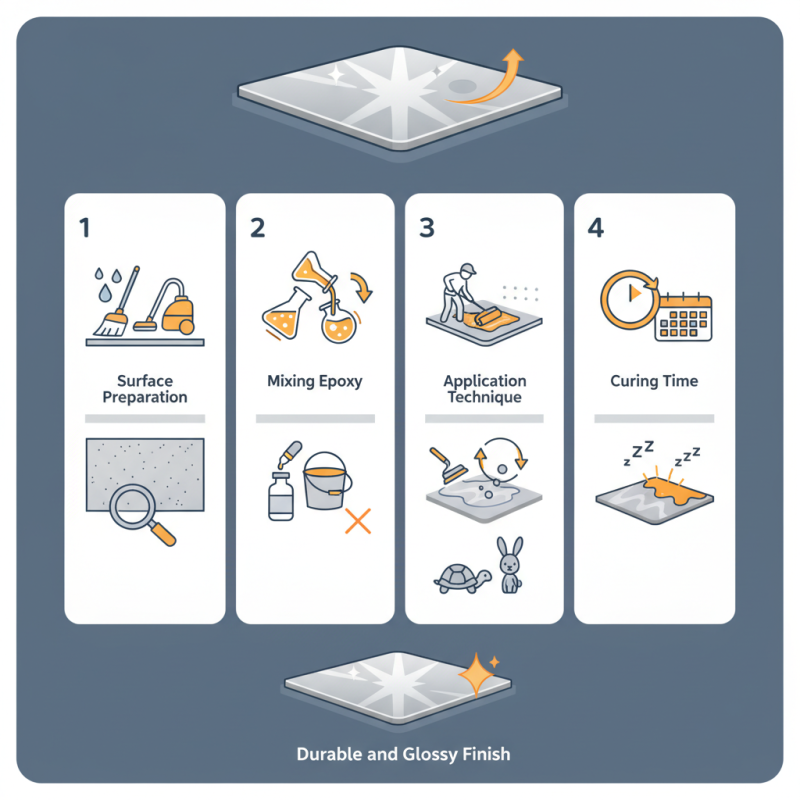
In practice, applying Epoxy Coating can seem straightforward. However, many people overlook crucial steps that ensure quality. For instance, surface preparation requires meticulous cleaning and drying. Any residue can lead to poor adhesion. Additionally, mixing the epoxy and hardener correctly is vital. Improper ratios can compromise the final result.
It's easy to rush through the process, resulting in imperfections. Waiting the recommended curing time is equally essential, but many are impatient. This impatience can lead to bubbles or uneven surfaces. Reflecting on these challenges reveals that achieving a flawless epoxy coating is a blend of precision and patience.
Understanding Epoxy Coating and Its Benefits
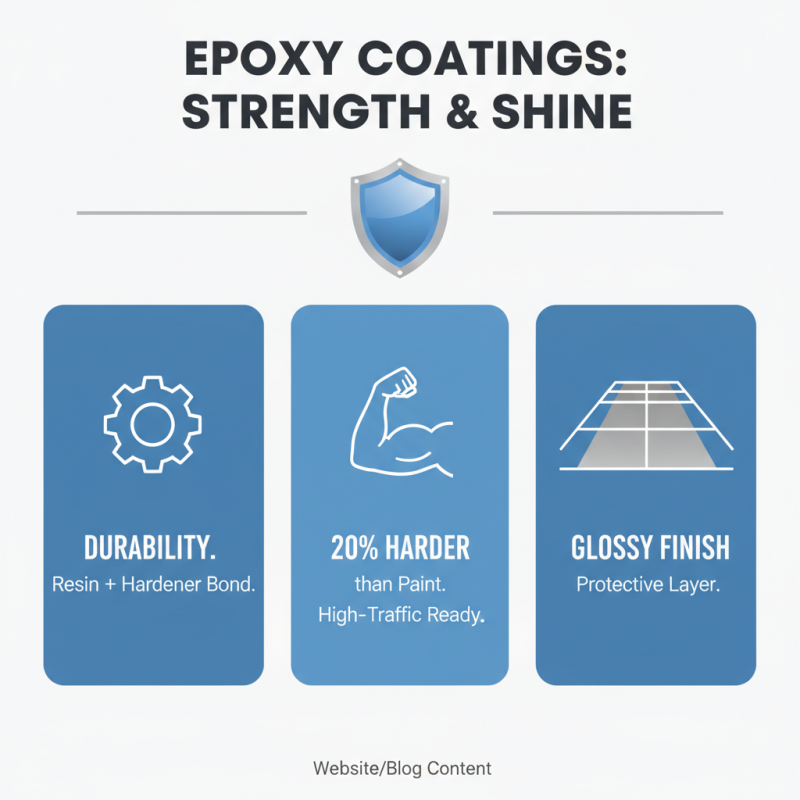
Epoxy coatings are gaining popularity for their durability and glossy finish. This protective layer is made of resin and hardener, creating a strong bond. According to industry reports, epoxy coatings have a hardness rating that can surpass traditional paints by up to 20%. This makes them ideal for high-traffic areas.
Understanding the benefits of epoxy coating starts with its resistance to chemicals and stains. They can withstand various harsh substances, making them suitable for garages, kitchens, and industrial floors. Additionally, epoxy is moisture-resistant. This characteristic helps to prevent mold and mildew growth, ensuring a clean and appealing surface.
Tip: Before applying epoxy, prepare the surface properly. Grind or sand it to remove old paint and debris. A smooth surface improves adhesion and ensures an even coat. Incorrect preparation can lead to peeling or bubbles, adversely affecting the finish.
Another aspect to consider is the drying time. Epoxy coatings often require several hours to cure fully. Many users underestimate this time, leading to premature use of the coated area. It’s crucial to allow adequate curing time for a long-lasting finish. Waiting an extra day can make a significant difference in durability.
Preparing the Surface for Epoxy Application
Preparing the surface for epoxy application is essential for achieving a durable and glossy finish. A clean and smooth surface ensures proper adhesion. According to industry reports, up to 70% of epoxy failures happen due to poor surface preparation. Start by cleaning the surface thoroughly. Remove all dirt, grease, and dust. Use a suitable degreaser for oily spots. A pressure washer can be effective for larger areas.
Next, inspect the surface for imperfections. Fill any cracks or holes with a suitable filler. This step is crucial as it enhances the epoxy coating's performance. For concrete surfaces, grinding or sanding can create a rough texture. This technique increases bonding strength significantly. Research suggests that a rough surface can improve adhesion by 50%.
Moisture is another critical factor. Epoxy coatings adhere better to dry surfaces. Ensure the surface is moisture-free before application. Use moisture meters to check levels, aiming for under 4% for concrete. If these preparations seem tedious, remember they are vital for long-lasting results. Neglecting this stage may lead to peeling or bubbling, which can be disheartening. Precision in this phase sets the foundation for success.
Mixing and Applying the Epoxy Coating
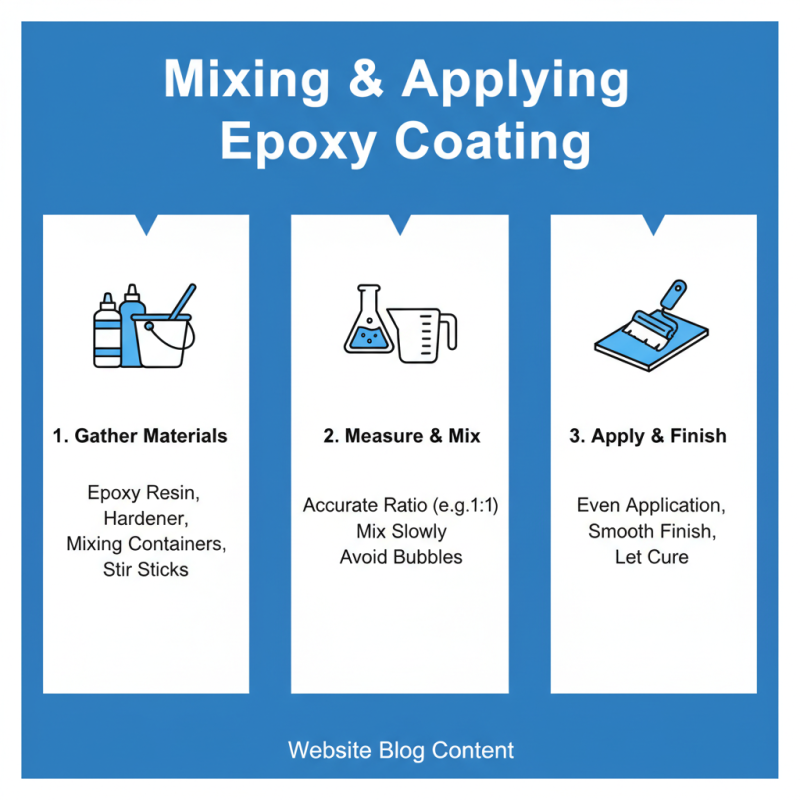
Mixing and applying epoxy coating requires attention and precision. Start by gathering your materials: the epoxy resin, hardener, mixing containers, and stir sticks. Measure the components accurately. Too much hardener can ruin your mix. Aim for a 1:1 ratio if your product requires it. When mixing, do so slowly to avoid bubbles. These bubbles can mar the finish later.
After mixing, let the epoxy sit for a few minutes. This allows any trapped bubbles to rise to the surface. Then, it's time to apply. A paint roller makes for a smooth finish on large surfaces. Use a brush for edges or small areas. Work quickly; epoxy sets fast. If you notice texture or imperfections, don’t panic. You can sand it down once cured.
Tips: Always wear gloves. Avoid skin contact with epoxy. Keep your workspace well-ventilated. If it gets too messy, clean immediately with solvents. Remember, practice makes perfect. Your first try may not be flawless. Adjust your technique with each attempt. There’s beauty in learning from your mistakes.
Curing Process: Ensuring a Durable Finish
The curing process is crucial when applying epoxy coatings. It determines the longevity and finish of your surface. After pouring the epoxy, patience is key. The curing time varies based on temperature and humidity. Ideally, maintain a stable environment. High humidity can lead to extended curing times and potential issues.
During the first few hours, the epoxy will undergo significant changes. You might notice it becoming tacky or cloudy. It’s essential not to touch it during this phase. Abrupt changes can cause defects. Observing the curing process allows you to identify potential problems early. If imperfections arise, take notes for future projects.
After 24 hours, check the hardness. It should feel firm but not completely solid yet. Environmental factors can affect the hardness too. If your epoxy isn’t fully cured after a week, reassess the conditions. This might indicate moisture issues or improper mixing. Understanding these nuances helps improve your technique over time. Each project offers lessons, leading to better results.
Finishing Touches: Polishing and Maintenance Tips
After applying epoxy coating, the finishing touches can make a significant difference. Polishing your surface is essential for achieving that high-gloss finish. Start by using a low-grit pad for initial polishing. This helps to remove any imperfections. Be gentle; too much pressure may damage the surface.
Maintenance plays a crucial role in keeping your epoxy floors looking fresh. Regularly clean the surface with a mild cleaner. Avoid harsh chemicals that can dull the gloss. A soft mop works wonders. Additionally, consider applying a maintenance coat every few years. This helps preserve the shine and durability.
Here are some quick tips: Always test your cleaning products on a small area first. Watch out for heavy furniture; it can leave marks. If a scratch occurs, don't panic. A little polish can often restore the shine. These small steps can prolong the life of your epoxy coating and keep it looking its best.