How to Apply Epoxy Coating for a Durable and Glossy Finish?
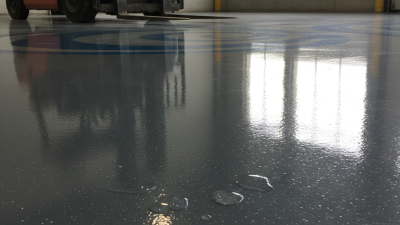
Epoxy coating is a popular choice for achieving a durable and glossy finish on various surfaces. Many homeowners and professionals are drawn to its benefits, such as resistance to scratches and chemicals. This makes it ideal for areas that experience heavy foot traffic or exposure to harsh environments. Applying epoxy coating requires careful preparation and technique to ensure it adheres properly and lasts over time.
The process may seem straightforward, but it involves several key steps that can be easily overlooked. Proper surface preparation is crucial. Any dirt, oil, or old coatings can hinder adhesion. A well-prepared surface can significantly enhance the final outcome. Selecting the right epoxy product is also essential. Some formulations work better in certain environments than others.
Despite its advantages, applying epoxy coating can be challenging. Factors like temperature and humidity can affect curing times and the overall finish. Even seasoned professionals can encounter issues, from bubbling to uneven surfaces. Understanding these challenges is vital for anyone looking to achieve a flawless application. With careful planning and execution, epoxy coating can transform surfaces, providing both durability and aesthetic appeal.
Choosing the Right Epoxy Coating for Your Project Needs
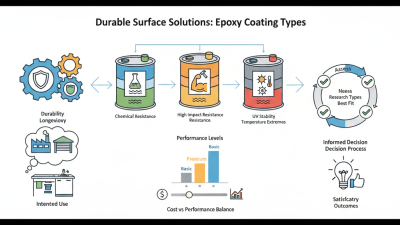
Choosing the right epoxy coating is crucial for achieving a durable and glossy finish. Various factors influence this decision, such as the environment, surface type, and expected wear and tear. According to a report by the American Coatings Association, choosing an appropriate epoxy can significantly impact longevity and aesthetic appeal. For example, coatings with higher viscosity tend to resist wear better in high-traffic areas.
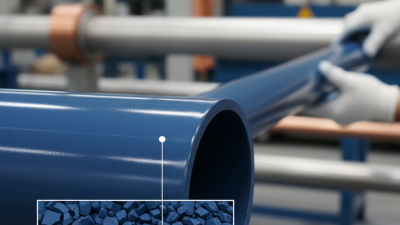
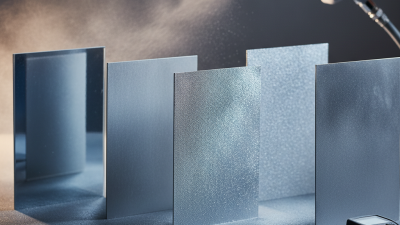
Epoxy coatings come in different formulations. For industrial surfaces, a heavy-duty epoxy is often recommended. This type provides excellent adhesion and resistance to chemicals, ensuring surfaces remain intact under stress. Conversely, for decorative projects, a clear coating with a high-gloss finish can enhance appearance without compromising integrity. Studies indicate that the gloss level can extend the lifespan of surfaces by up to 30%.
While selecting an epoxy, consider potential challenges. Environmental factors like humidity and temperature play a role in curing times. Research shows that improper application due to these conditions can lead to peeling or clouding. Be prepared to adapt and adjust based on your specific situation. Each project may require unique solutions to achieve the best results.
Surface Preparation: Essential Steps for Optimal Adhesion
Surface preparation is crucial for achieving a durable epoxy coating. Start by thoroughly cleaning the surface. Remove grease, dirt, and old coatings to ensure proper adhesion. Use a detergent solution or a degreaser for effective results. Rinse the surface well and allow it to dry completely. Any moisture left can lead to peeling or bubbling.
Next, consider sanding the surface. This step provides a rough texture for the epoxy to grip onto. Use medium-grit sandpaper and ensure the surface is uniform. Be mindful of any dust created; it can hinder the bonding process. Vacuum the area and wipe it down with a tack cloth to eliminate any residue.
Finally, check for imperfections. Cracks or holes should be repaired before applying epoxy. Fill these gaps and smooth them out. Inconsistent surfaces may compromise the durability of the finish. Even minor flaws can become major problems later. Take your time in this preparation phase; it sets the foundation for a long-lasting and glossy finish.
Application Techniques: Rollers, Brushes, or Spray Systems?
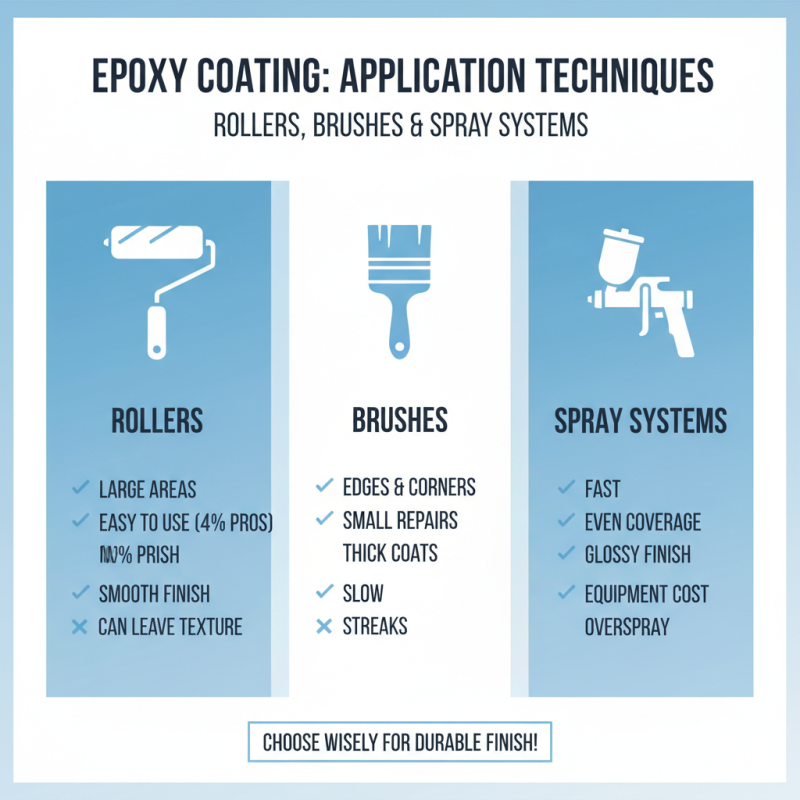
Choosing the right application technique for epoxy coating is crucial for achieving a durable and glossy finish. Rollers, brushes, and spray systems all have their advantages and drawbacks. According to a report from the Coatings Industry Association, over 45% of professionals prefer using rollers due to their ease of use and effectiveness in providing a smooth surface. Rollers are great for large areas, ensuring even coverage. However, they can sometimes leave texture, which might not be desirable for all projects.
Brushes are another viable option. They offer control for small details and edges, making them ideal for intricate work. However, using brushes can lead to visible brush strokes. A study from the Epoxy Coatings Consortium highlights that skilled applicators can minimize this issue. On the other hand, spray systems deliver a flawless finish, especially in large spaces. They can cover more area quickly and evenly. Yet, they require more experience and can be messy if not handled properly.
Ultimately, the choice of application technique depends on the specific project needs. Each method has its nuances, and mistakes can happen, such as uneven applications or air bubbles. It's essential to practice and consider these factors to achieve the best results.
Curing Process: Understanding Timeframes for Durability
When applying epoxy coating, the curing process is essential for achieving a durable and glossy finish. Understanding the timeframes involved ensures optimal results. Typically, epoxy takes about 24 hours to cure at room temperature. However, full hardness may take up to a week. Environmental factors like humidity and temperature can significantly impact these timeframes. A cooler environment slows down the curing process, while higher humidity can cause issues like bubbles.
Tips for enhancing your finish:
- Always mix the epoxy resin and hardener thoroughly. Incomplete mixing can lead to uneven curing.
- Ensure the surface is clean and dry before application. Dust or moisture can compromise the bond.
Observe how the epoxy reacts during the curing phase. Some unexpected issues may arise. It’s crucial to monitor for any cracks or incomplete curing areas. Adjust your technique in future applications based on these observations. Being aware of how different conditions affect curing will enhance your results. Taking notes on each application can guide improvements over time.
Tips for Maintaining and Extending the Life of Your Epoxy Finish
Maintaining your epoxy finish is essential for longevity. Regular cleaning keeps it looking fresh. Use a mild soap solution and a soft cloth. This helps prevent scratches and dullness. Avoid harsh chemicals that can degrade the surface. Even small mistakes during cleaning can lead to larger issues later.
Protecting your epoxy surface is equally important. Place mats or rugs in high-traffic areas. This adds an extra layer of defense against wear and tear. Be mindful of sharp objects. Dropping heavy tools can leave permanent marks. Small care gestures now can extend the life of your epoxy coating.
Periodic inspections can be beneficial. Look for signs of wear or damage. Addressing issues early can prevent costly repairs. Remember to reseal your epoxy finish every few years. This helps in retaining its glossy appearance. The aim is to keep your surface looking new and vibrant. Taking these steps can help ensure your epoxy finish lasts.
Durability Comparison of Epoxy Coatings
This chart illustrates the durability rating of epoxy coatings over different years of use. As time progresses, the durability tends to decrease, emphasizing the importance of maintenance to extend the life of your epoxy finish.