2026 Top Trends in Electrostatic Powder Coating Technology?
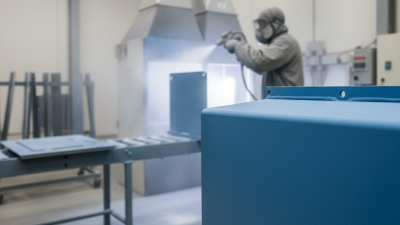
In 2026, the landscape of Electrostatic Powder Coating technology is poised for significant transformation. As industries demand enhanced efficiency and sustainability, this coating method will play a pivotal role. According to a recent report from the Electrostatic Powder Coating Association, the market is expected to grow by 7% annually over the next five years. This growth is driven by rising demand in automotive and construction sectors.
Electrostatic Powder Coating offers advantages like reduced waste and improved finish quality. However, challenges still exist. For instance, there can be issues with consistent coverage on complex geometries. Additionally, environmental regulations are tightening, pushing for innovations in eco-friendly formulations. Data shows that about 40% of manufacturers are still using traditional methods. This raises questions about the need for education and transition for these players.
Looking ahead, leading companies are investing in research and development. New technologies, such as smart powder coating, are on the horizon. These advancements promise to enhance color consistency and adherence. However, the industry must address the skills gap. Up-skilling the workforce is crucial for future advancements in Electrostatic Powder Coating. As the sector evolves, both challenges and opportunities will shape the path forward.

Future Innovations in Electrostatic Powder Coating Techniques
The future of electrostatic powder coating technology is bright and evolving. Innovations are set to enhance efficiency and reduce waste. According to a recent industry report, the global market for powder coatings is projected to grow by 6% annually, reaching $13.3 billion by 2026. This growth highlights the importance of developing advanced techniques that align with environmental standards.
One key innovation is the introduction of advanced application methods. These methods focus on optimizing powder transfer efficiency. Studies reveal that some traditional methods have transfer efficiencies as low as 50%. This is a significant loss. New techniques can potentially increase efficiency to over 90%. However, the implementation of these innovations is challenging. Manufacturers must invest in training and new equipment, which can be a financial burden.
Another area of focus is the development of eco-friendly powder materials. These materials are free from harmful solvents and deliver better coverage. Industry research shows that coatings with low VOC (volatile organic compounds) not only meet regulatory requirements but also attract environmentally-conscious customers. However, the challenge remains in balancing performance and sustainability. As new compositions are developed, consistency and reliability in production are areas needing improvement.
2026 Top Trends in Electrostatic Powder Coating Technology
Advancements in Powder Coating Equipment for Enhanced Efficiency
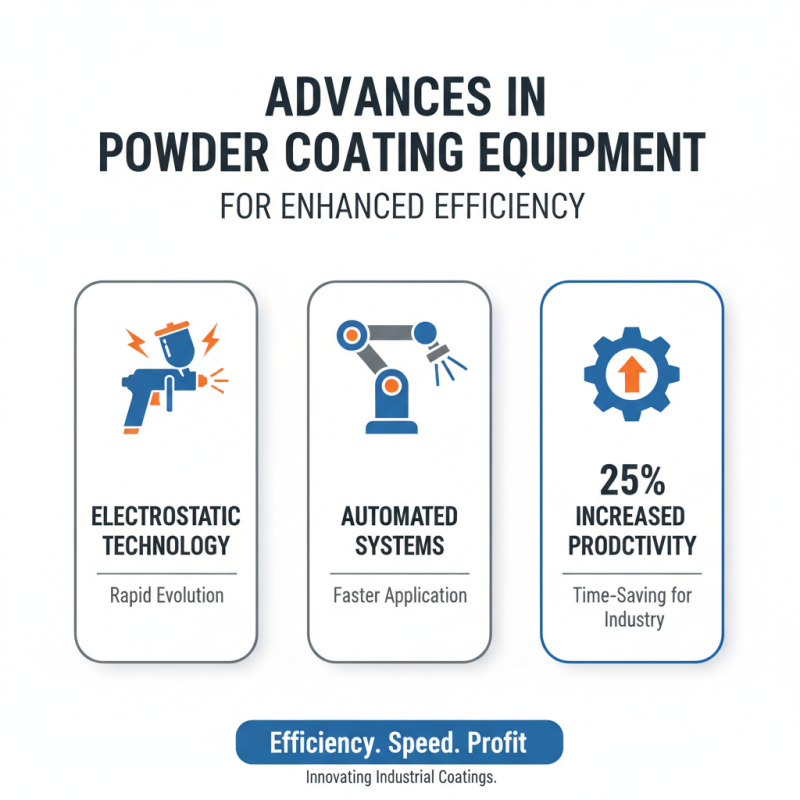
Electrostatic powder coating technology is evolving rapidly. Significant advancements in powder coating equipment are driving efficiency higher than ever. For instance, automated systems are now enabling faster application rates. Some reports indicate that these new systems increase productivity by over 25%. This is a crucial change in industries where time is money.
Energy consumption is another critical focus. Modern powder coating machinery introduces innovative control systems. These systems optimize power usage, potentially reducing costs by 15%. However, this shift requires a thorough understanding of the equipment. Companies may struggle initially with integrating new technologies into existing operations.
Environmental concerns are also influencing these advancements. Advanced filtration systems are now common, significantly reducing volatile organic compounds (VOCs) in powder coating processes. A study highlighted that adopting these systems improved air quality in facilities by up to 30%. Yet, the initial investment can be daunting for some businesses. These challenges must be tackled for the sector to move forward effectively.
Sustainability Trends in Electrostatic Powder Coating Materials
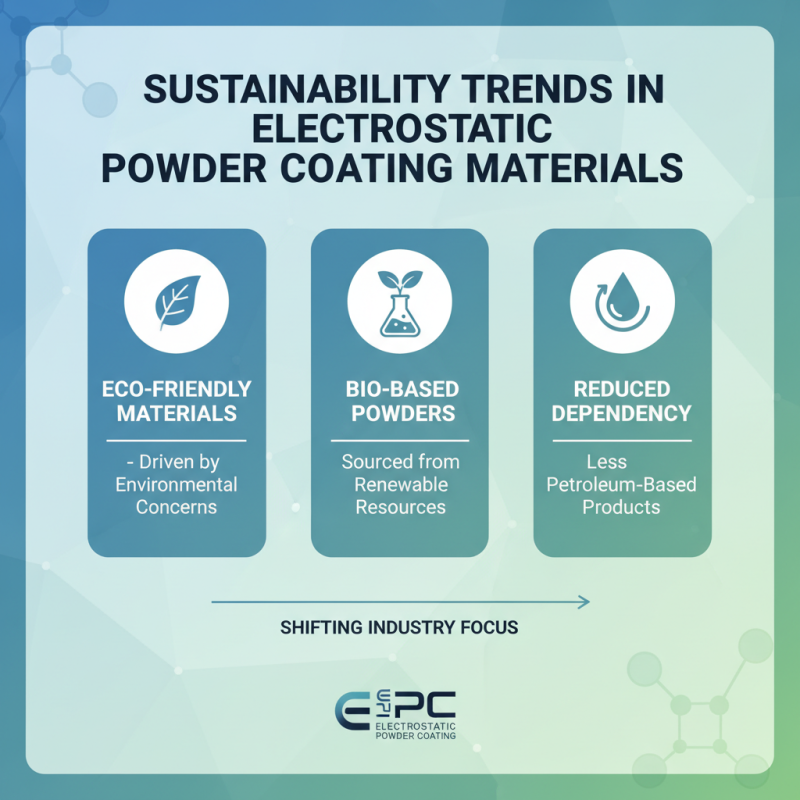
The electrostatic powder coating industry is witnessing significant sustainability trends. Eco-friendly materials are gaining traction, driven by environmental concerns. Many manufacturers are exploring bio-based powders, sourced from renewable resources. This shift reduces dependency on traditional petroleum-based products.
Tips: Consider exploring local suppliers for sustainable powder options. It may be challenging to find the right materials, but local sourcing supports your community and reduces carbon footprints.
Recycling is another critical aspect of sustainable powder coating. Recycling overspray can minimize waste and optimize resource usage. However, not all systems are easy to implement. Challenges in maintaining quality and consistency can arise.
Tips: Regularly evaluate your recovery systems. Simple adjustments can enhance efficiency. Don't hesitate to seek feedback from your team; their insights can lead to innovative improvements.
As the industry evolves, collaboration becomes essential. Engaging with sustainability experts can help businesses adapt and innovate. There is much to learn from shared experiences. Failure to address these changes can result in missed opportunities for growth.
Integration of Automation and Smart Technologies in Powder Coating
The integration of automation and smart technologies in powder coating is reshaping the industry.
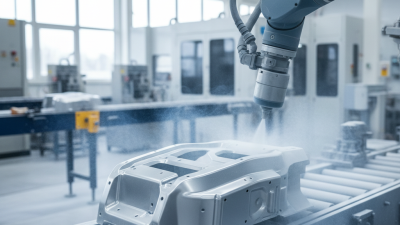
Robotics and advanced control systems boost efficiency in coating processes. Automation reduces human error, ensuring consistent finishes.
However, it requires significant investment and training to implement effectively.
Smart technologies enhance the monitoring of coating quality. Sensors can detect flaws in real-time. This immediate feedback loop allows for quick adjustments.
While beneficial, reliance on technology can lead to overconfidence. If systems malfunction, production may suffer.
Moreover, the potential data overload from smart devices can overwhelm teams. It's essential to find balance in technology integration.
Without adequate training, operators might struggle to interpret results. The goal is to improve processes without sacrificing quality or oversight.
Balancing automation with skilled intervention is key for success.
New Applications and Market Opportunities for Powder Coating Solutions
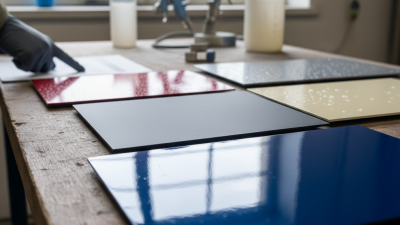
Electrostatic powder coating technology is evolving rapidly. New applications are emerging across various industries. This trend opens doors for innovative uses that were once never considered. For instance, automotive parts can benefit greatly from enhanced durability and aesthetic options. Powder coating offers a sleek finish that is resistant to scratches and chemicals.
The construction sector is also exploring powder coating solutions. Coated metal components are not only functional but also visually appealing. There is a growing interest in sustainable practices. Powder coatings can be more eco-friendly than traditional paints, reducing volatile organic compounds. However, challenges remain. The transition to such methods requires investment in training and equipment.
In addition, there are opportunities in niche markets. Smaller manufacturers may find success in specialized applications. Custom colors and textures can attract diverse clients. Yet, the risk of underestimating the learning curve exists. This transition could lead to inefficiencies if not managed carefully. Exploring these new avenues could yield great rewards, but caution is necessary.
2026 Top Trends in Electrostatic Powder Coating Technology
| Trend |
Description |
Applications |
Market Opportunities |
| Sustainability Focus |
Increased emphasis on eco-friendly formulations and practices. |
Automotive, Furniture, Appliances |
Growth in demand for green products and regulations. |
| Advanced Technology Integration |
Integration of IoT and AI for enhanced process control. |
Electronics, Heavy Machinery |
Higher efficiency and reduced waste improve competitiveness. |
| Customization Trends |
Growing demand for customized powder coating solutions. |
Consumer Products, Architectural Elements |
Expansion into niche markets with tailored offerings. |
| Smart Coatings |
Development of coatings with self-healing and anti-bacterial properties. |
Healthcare, Aerospace |
Novel products driving value in high-performance sectors. |
| Electrostatic Innovations |
New electrostatic techniques improving application efficiency. |
Metal Fabrication, Plastics |
Increased throughput in production facilities. |