2026 Top Trends in Flame Retardant Powder Paint Industry?
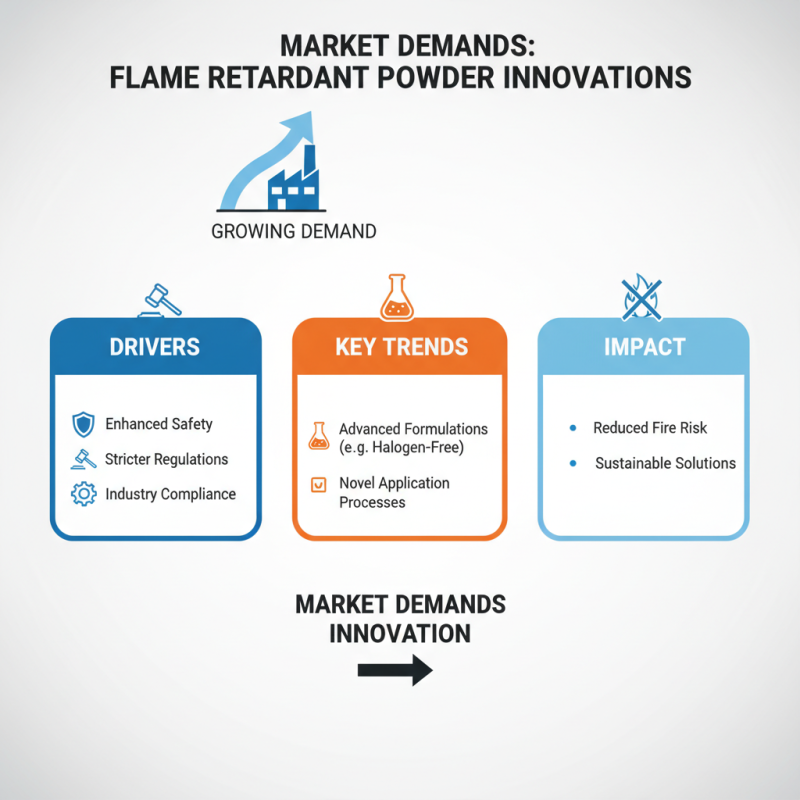
The Flame Retardant Powder Paint industry is evolving rapidly as new trends emerge. In 2026, this sector is expected to witness significant innovations. Manufacturers are focusing on enhancing safety while maintaining aesthetic appeal. The demand for eco-friendly materials is on the rise. More companies are exploring sustainable options that meet environmental standards.
Innovations in Flame Retardant Powder Paint products are likely to improve performance and reduce costs. There is a growing interest in advanced formulations that enhance fire resistance. These improvements can lead to safer buildings and vehicles. However, challenges remain in balancing cost and functionality. Industry players must continuously adapt to market demands.
As the market grows, consumer preferences shape the Flame Retardant Powder Paint landscape. Designers and architects seek products that align with safety regulations while being visually appealing. Collaboration among stakeholders will be crucial for success. Yet, the industry must reflect on its environmental impact and strive for better solutions. Navigating these complexities will define the future of flame retardant coatings.

Emerging Technologies in Flame Retardant Powder Paint Production
The flame retardant powder paint industry is on the brink of transformation. Emerging technologies are driving efficiency and safety in production. High-performance additives are becoming increasingly important. Recent data indicates that the market for these innovative materials is projected to grow by 8% annually, reaching $2 billion by 2026.
One notable trend is the development of eco-friendly alternatives. Many manufacturers are exploring bio-based flame retardants. These compounds not only reduce environmental impact but also meet rigorous safety standards. However, challenges remain. The cost of raw materials for these alternatives can be high, limiting widespread adoption. The shift requires careful balancing between cost-efficiency and sustainability.
Advanced production techniques are also gaining momentum. Technologies such as electrostatic spray deposition enhance the quality of coatings. Reports show that companies utilizing these methods experience lower defect rates. Yet, not all facilities have adopted these systems. Traditional methods still dominate despite their limitations. This gap points to the need for industry-wide investment in training and equipment.
2026 Trends in Flame Retardant Powder Paint Industry
This chart represents the projected growth in different segments of the Flame Retardant Powder Paint industry by 2026, highlighting the emerging technologies that are expected to drive innovation and demand.
Sustainability Trends Shaping the Future of Powder Coatings
The flame retardant powder paint industry is evolving.
Sustainability trends are at the forefront of this change. The report from a leading market research firm shows
that the powder coatings market will grow at a CAGR of 5.8% from
2021 to 2026. This growth is driven by the increasing demand for eco-friendly coatings
that emit fewer volatile organic compounds (VOCs).
Manufacturers are increasingly adopting sustainable practices. Many are
using renewable resources for their powder formulations. This shift not only reduces environmental impact but
also enhances brand reputation. Consumers now prefer products with lesser chemical footprints.
The industry faces challenges, though. Sourcing raw materials
from sustainable suppliers can be hard. Cost is another factor. Sustainable practices may require upfront investments.
Tips: When choosing powder coatings, look for products with certifications.
These can indicate compliance with environmental standards. Educating clients about
sustainability benefits can also pave the way for market acceptance.
The future may hold more innovations. Enhanced flame retardant properties integrated with bio-based materials
are on the horizon. Companies must navigate evolving regulations and consumer preferences. Staying ahead
in this competitive landscape is crucial. Embracing sustainability is not just a trend—it's a necessity.
Regulatory Changes Impacting Flame Retardant Paint Standards
Regulatory changes are reshaping the flame retardant powder paint industry. Legislative bodies are increasingly focused on consumer safety. New standards are emerging, aiming to reduce toxic substances in paint formulations. Manufacturers must adapt to these evolving regulations to meet compliance requirements.
The shift in standards is not without challenges. Many companies are still using outdated chemical compounds. Transitioning to safer alternatives takes time and investment. Testing new formulations can delay product launches. Moreover, stakeholders often have differing opinions on what constitutes a safe product.
The focus on safety can sometimes stifle innovation. Creativity may take a backseat to compliance. However, this is a chance for the industry to innovate responsibly. By prioritizing safety and sustainability, manufacturers can create better products. This balance could redefine the future of flame retardant paints.
Key Players and Competitive Landscape in the Powder Paint Industry
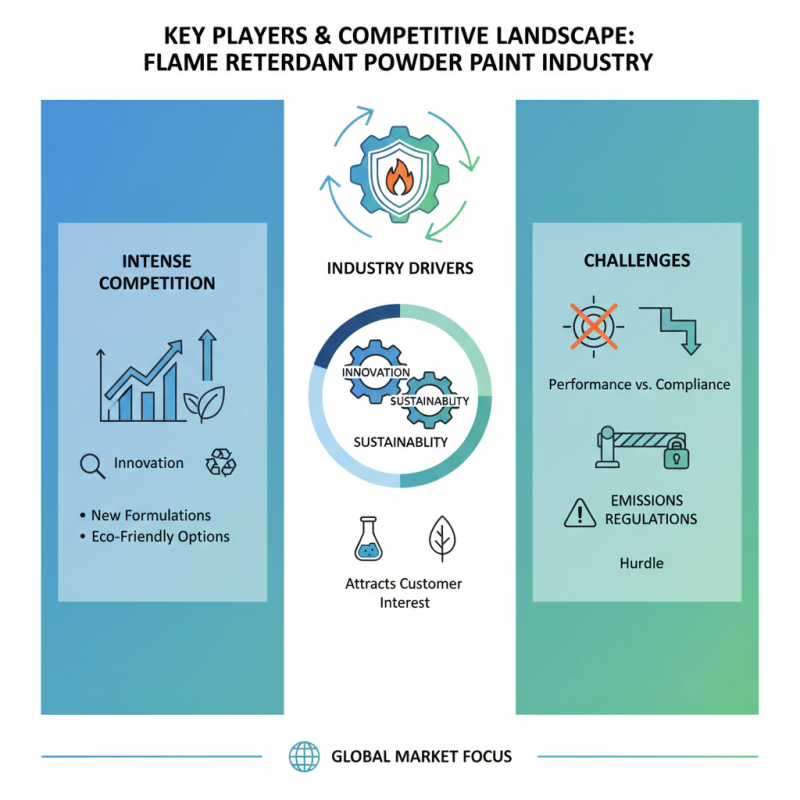
In the flame retardant powder paint industry, competition is intense. Many companies are focusing on innovation and sustainability. This trend drives them to develop new formulations. Environmentally friendly options attract customer interest. Yet, some manufacturers struggle to balance performance and compliance. Regulations on emissions can be a hurdle.
Key players in the industry are investing heavily in research and development. They aim to create safer and more effective products. This push may lead to breakthroughs, but it requires time and resources. Some firms have encountered setbacks in product testing. Others face challenges in scaling production processes. It is a fine line between meeting customer demands and upholding safety standards.
The competitive landscape features both established companies and newcomers. Startups can shake up the market with fresh ideas. They often bring agility and creativity to their offerings. However, challenges in funding and market access persist. Larger firms may have the upper hand in distribution networks. It remains to be seen how collaboration can reshape these dynamics. Innovation and competition will shape the future, but not without obstacles.